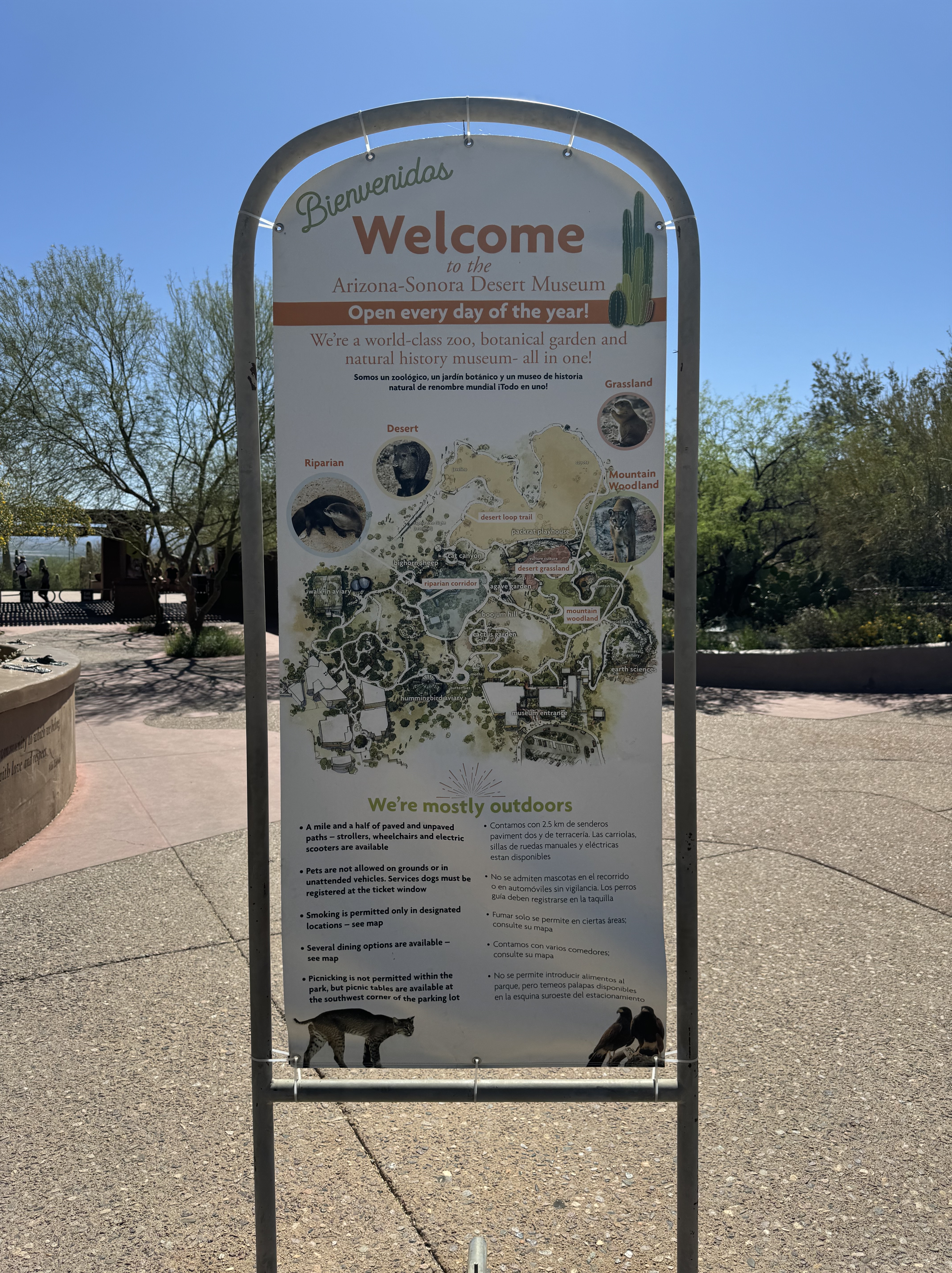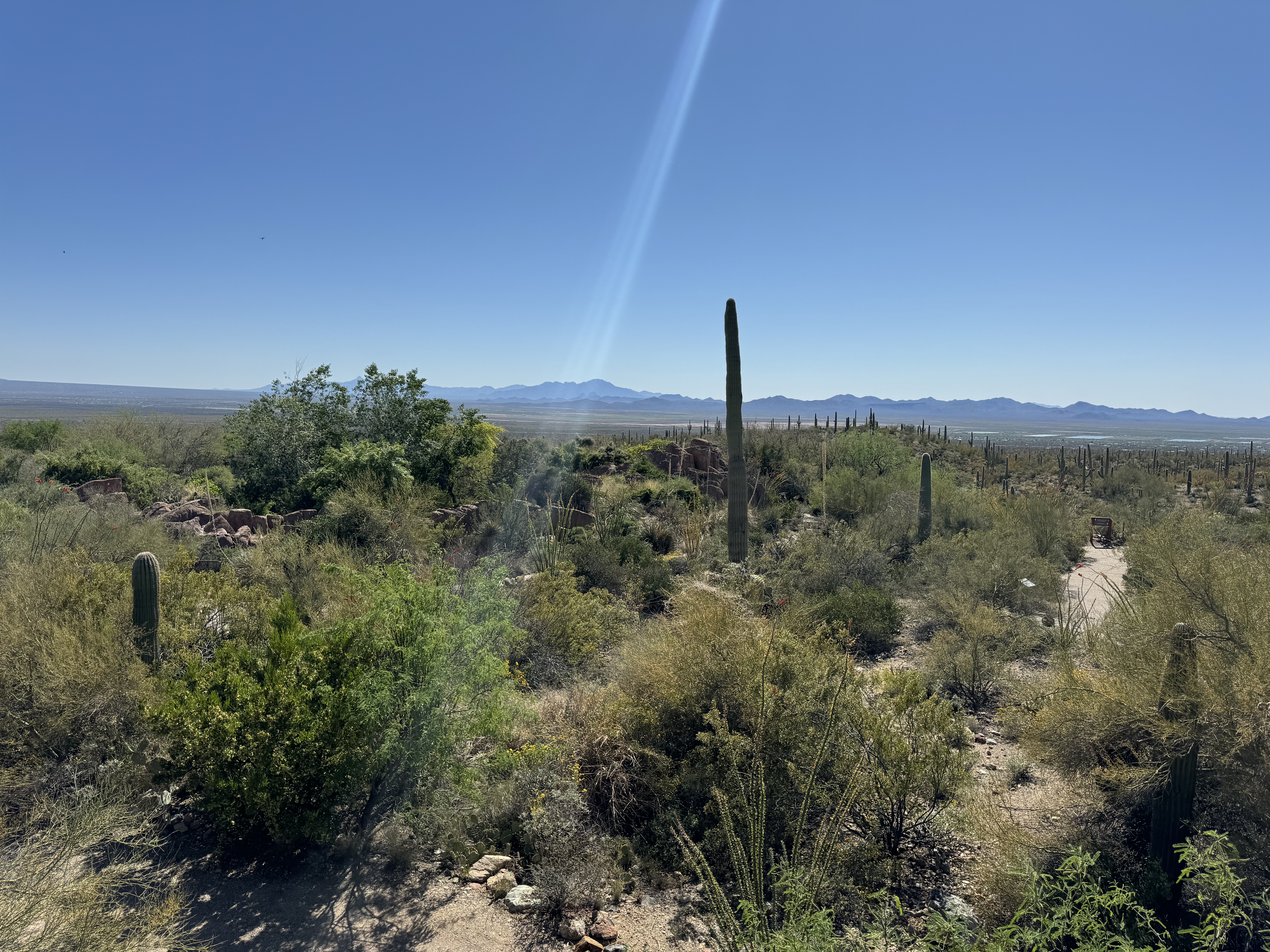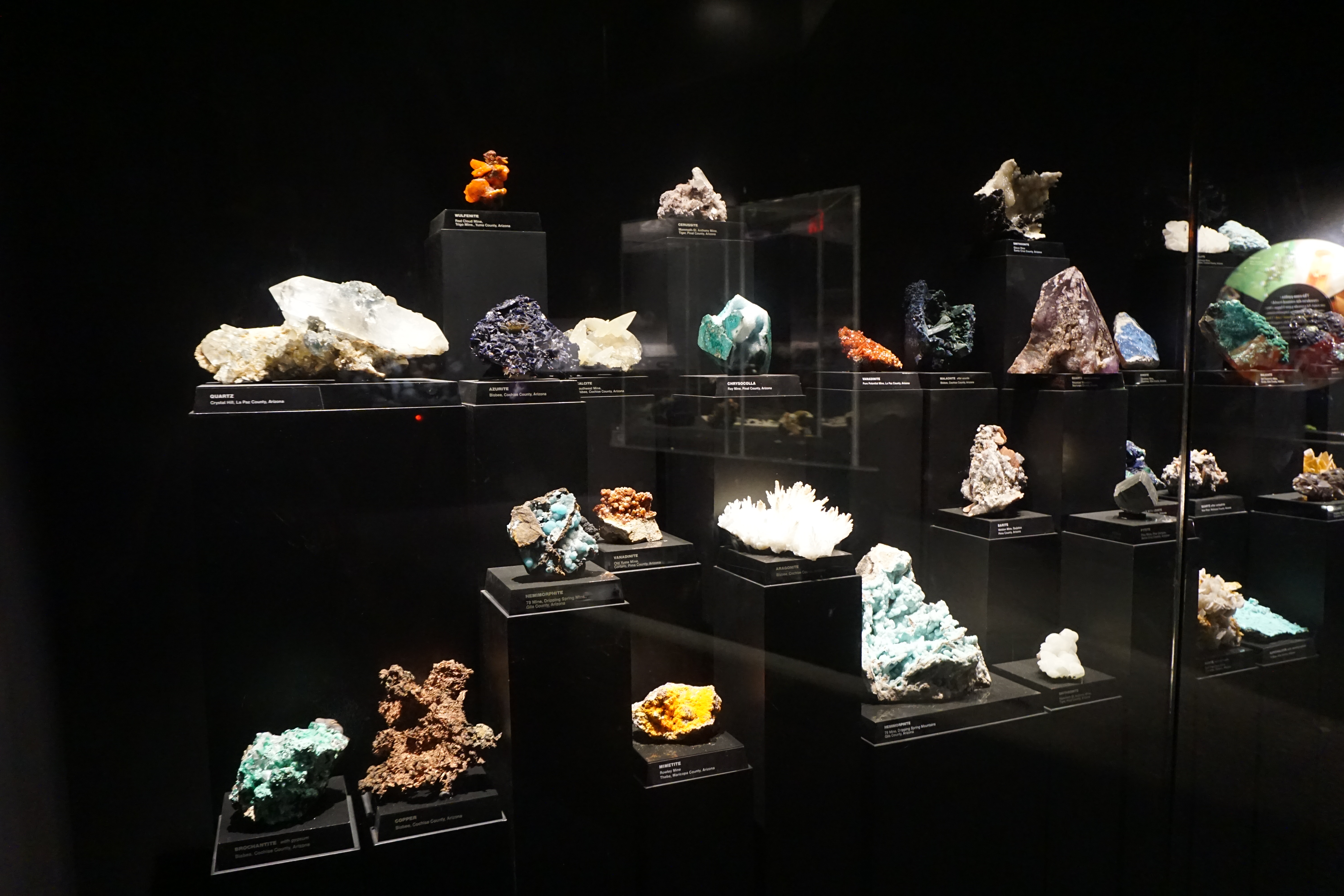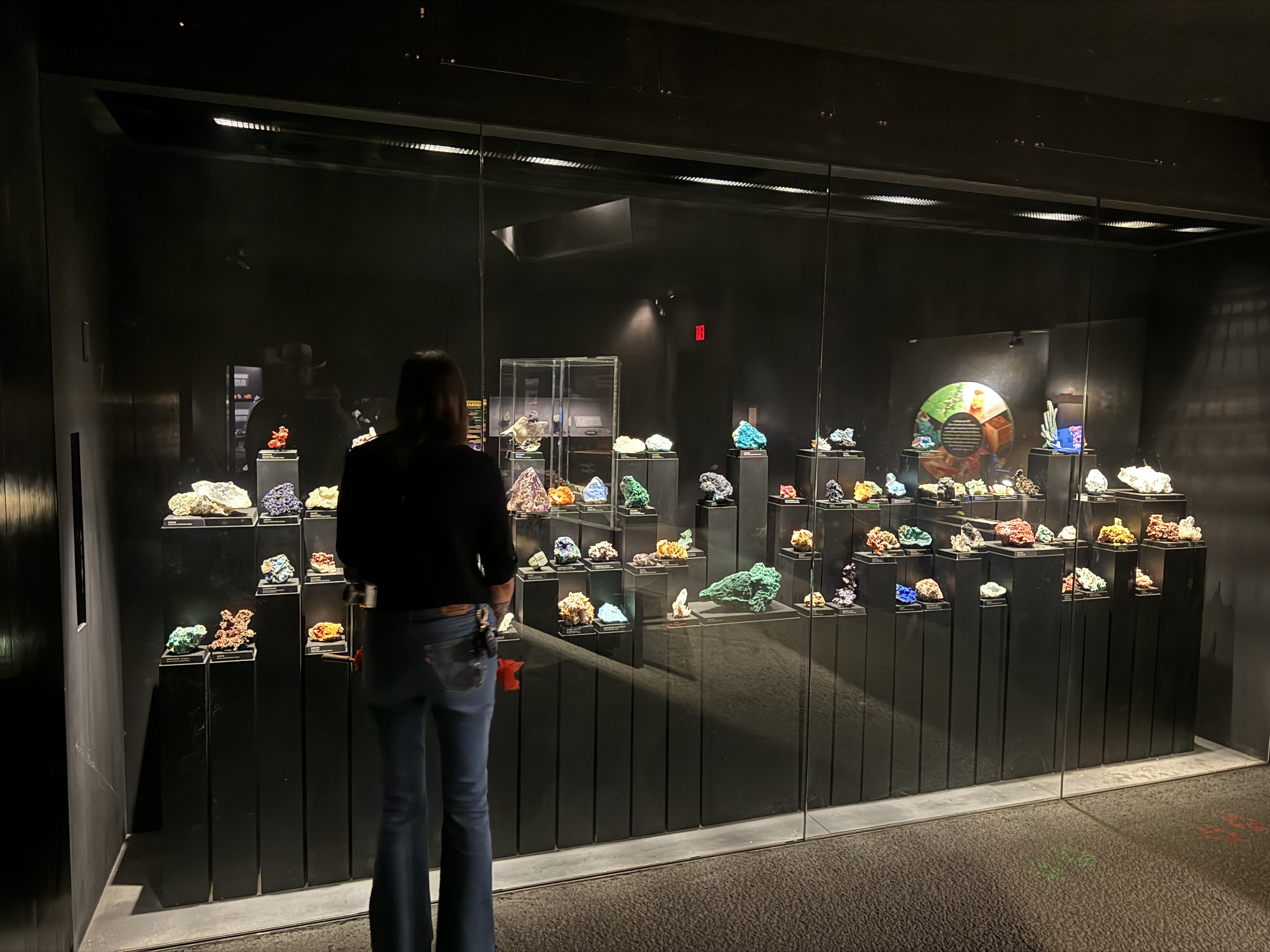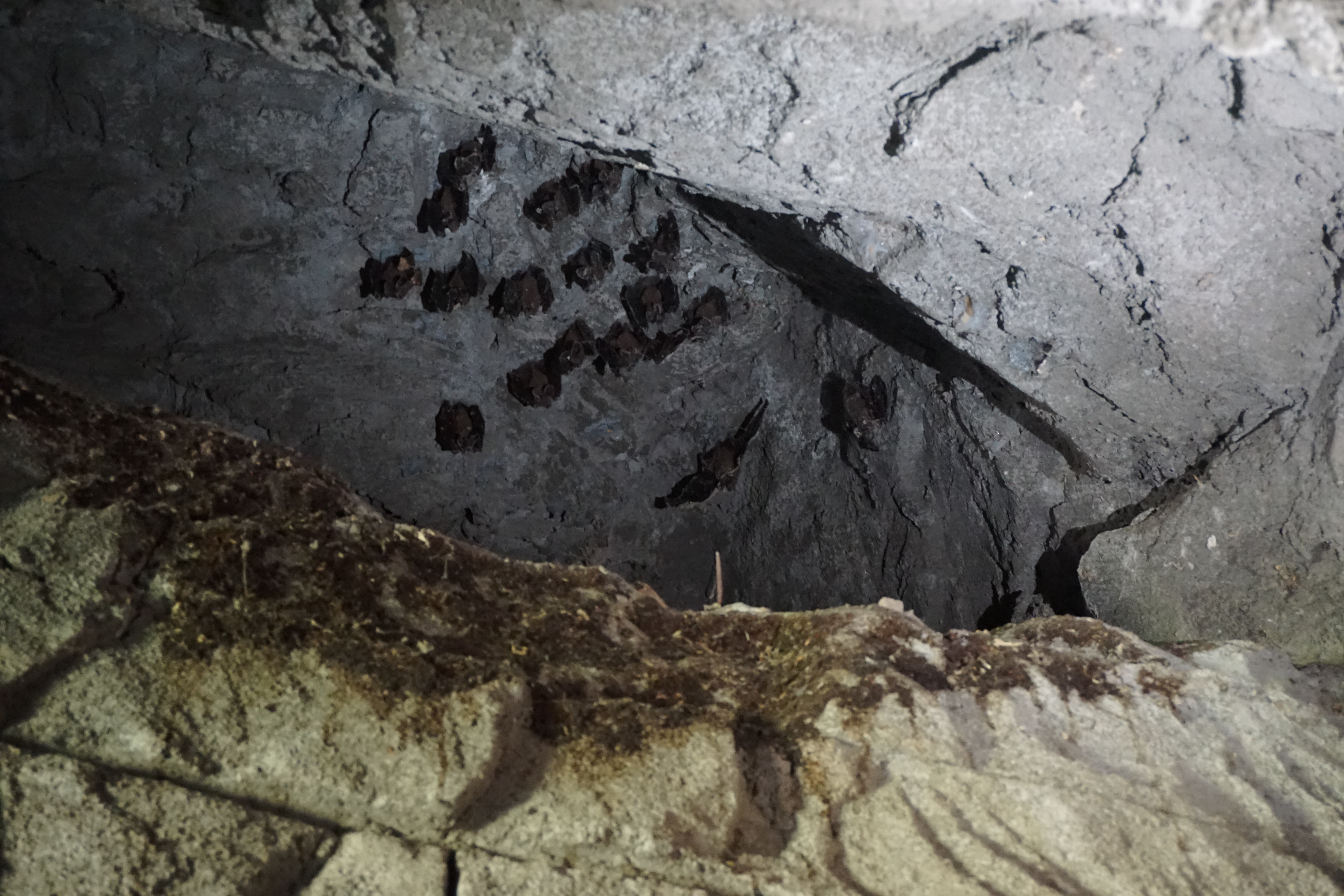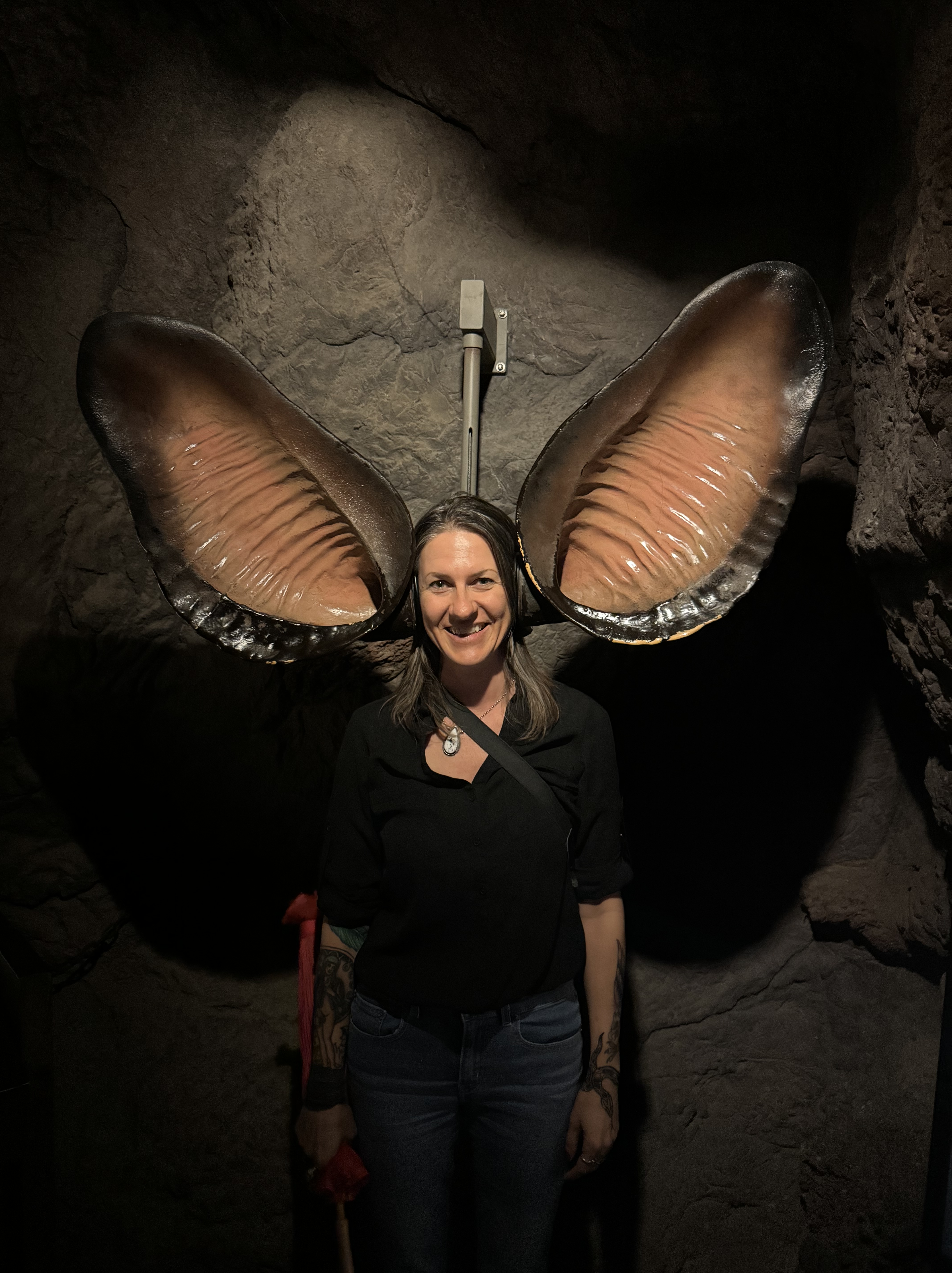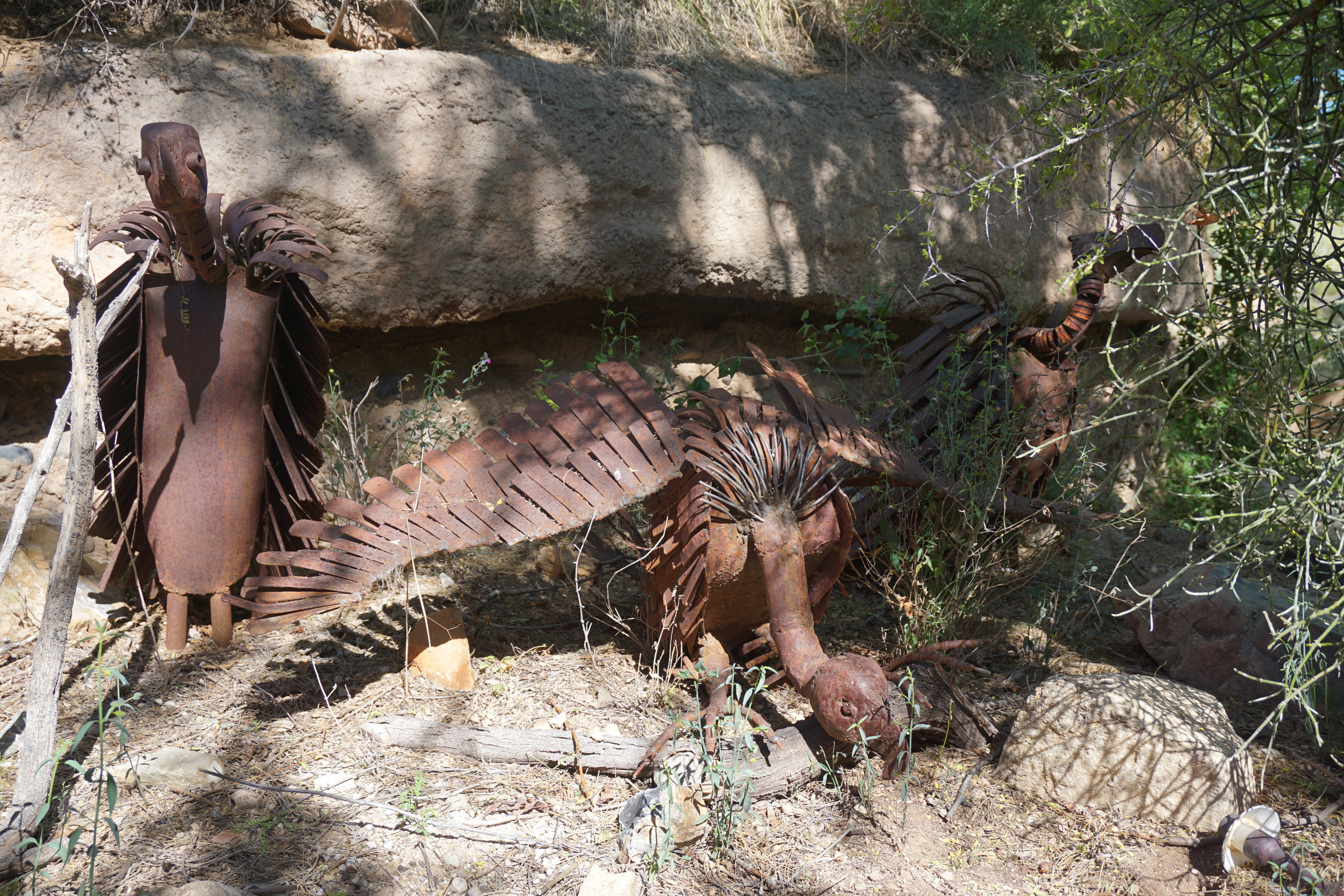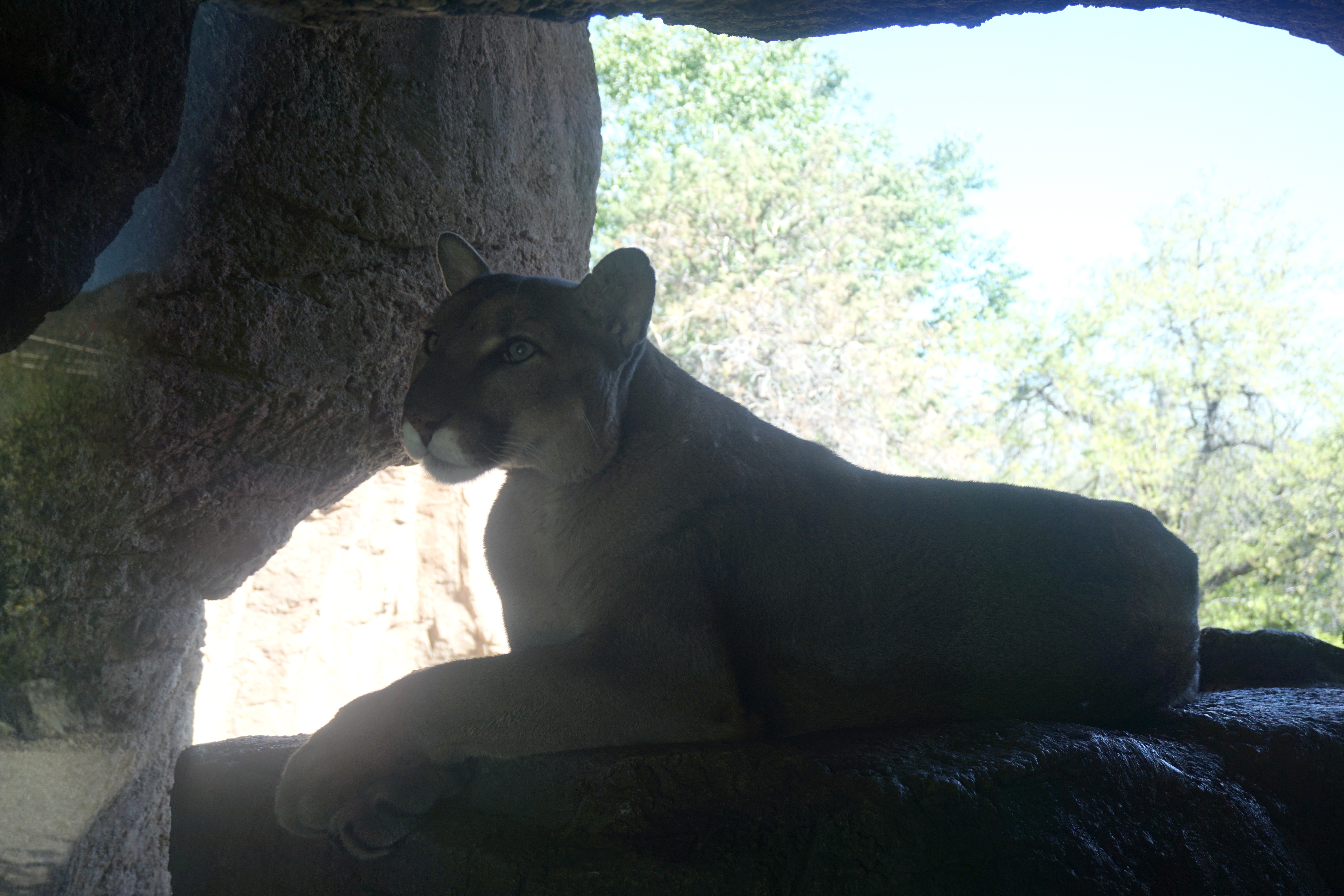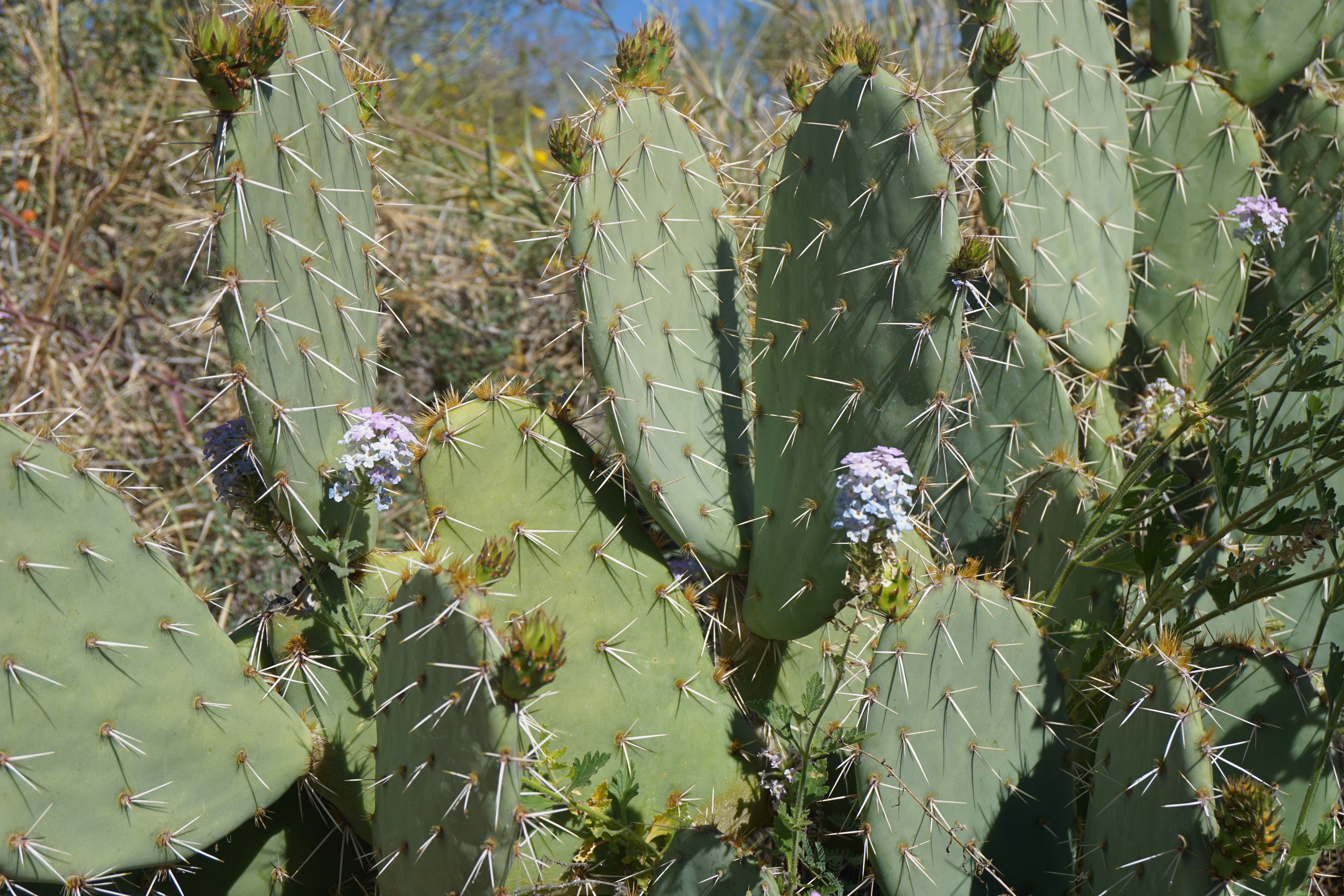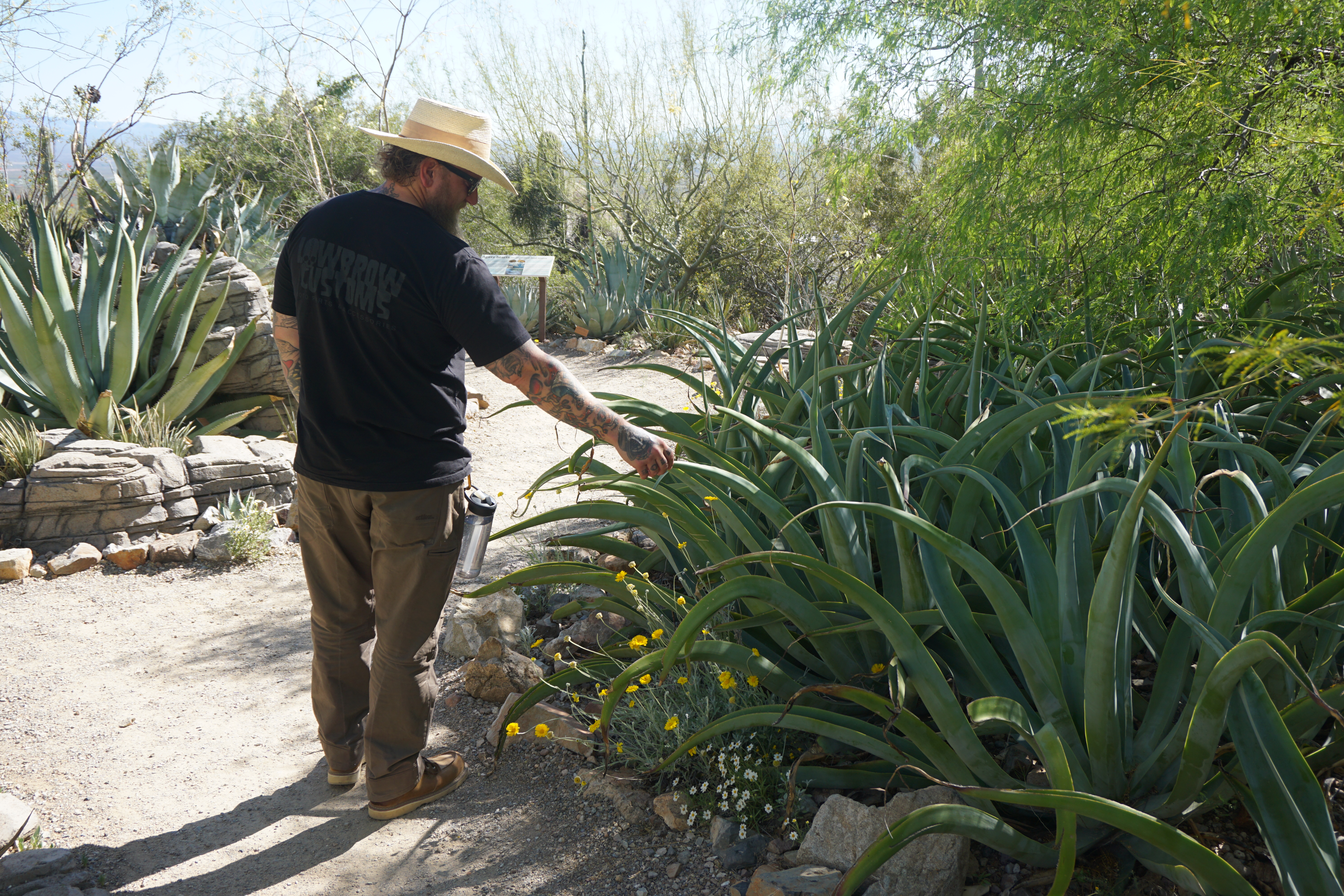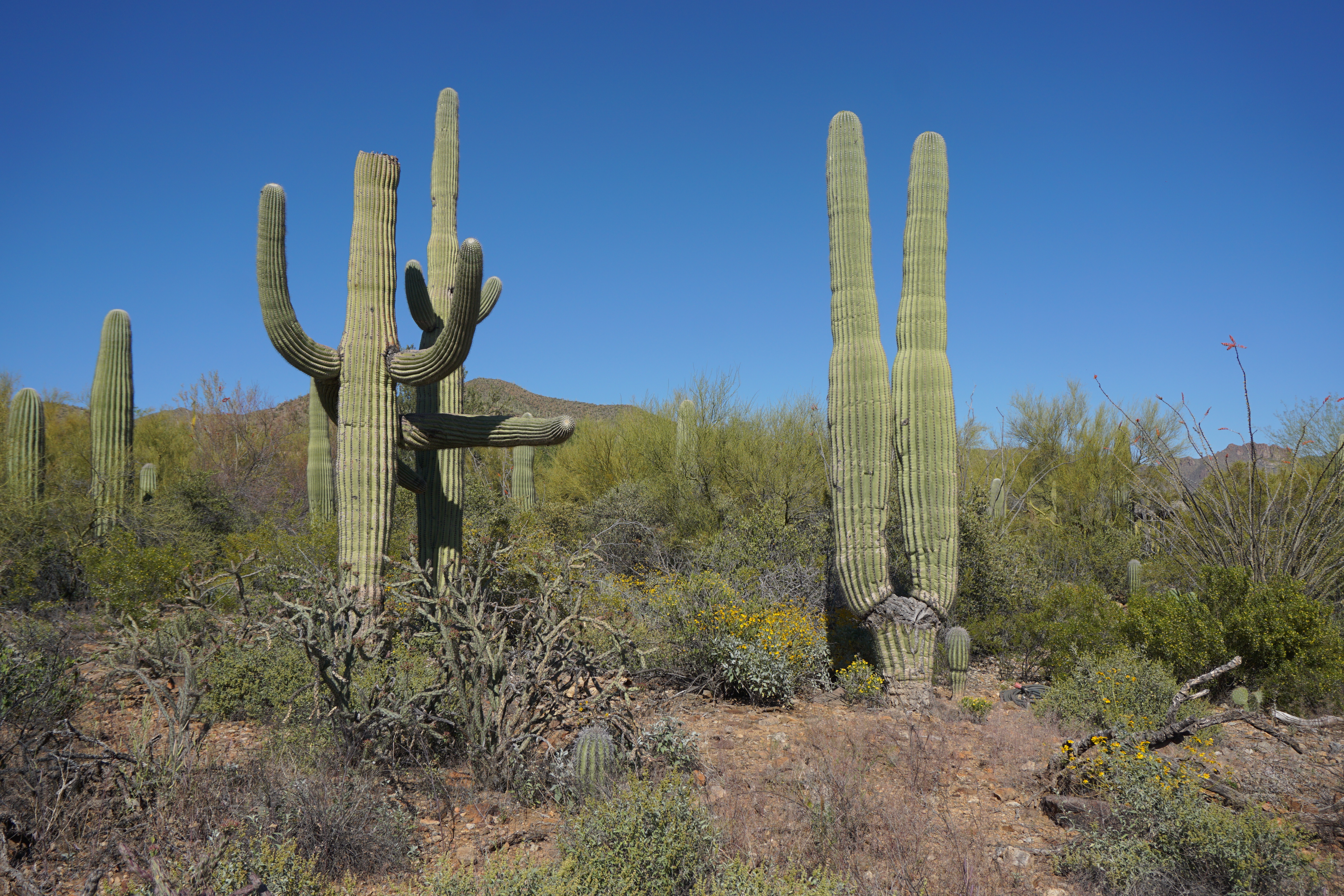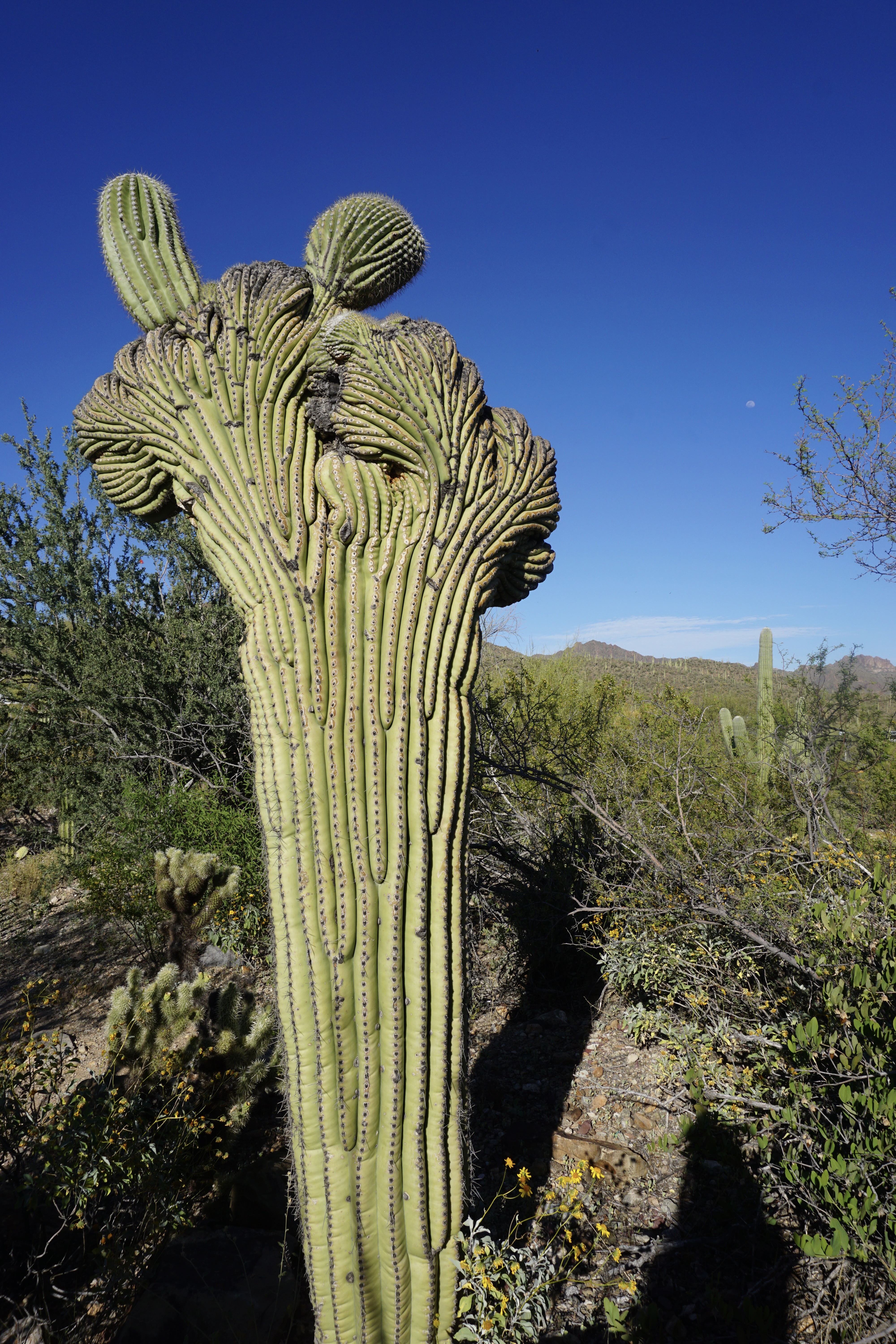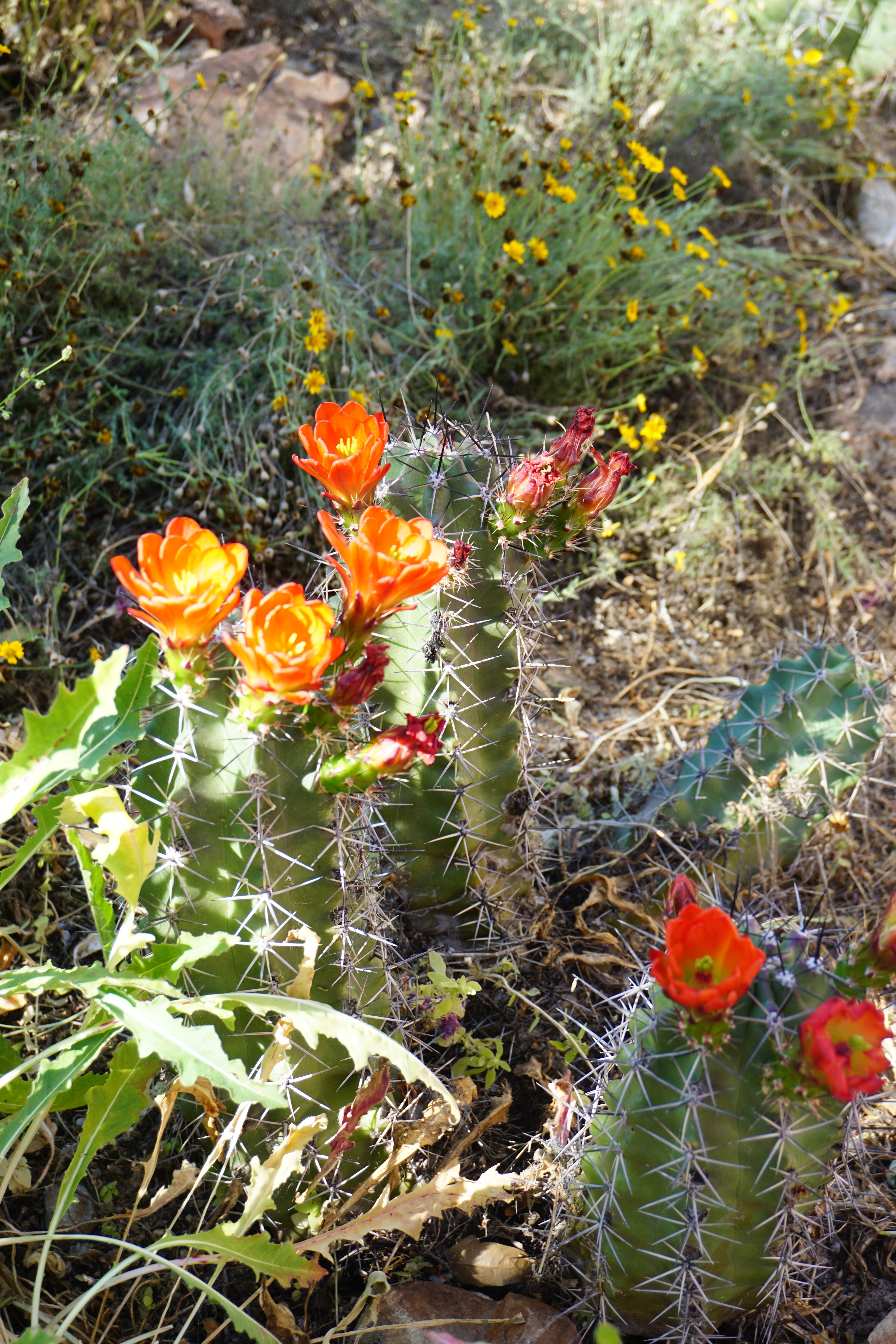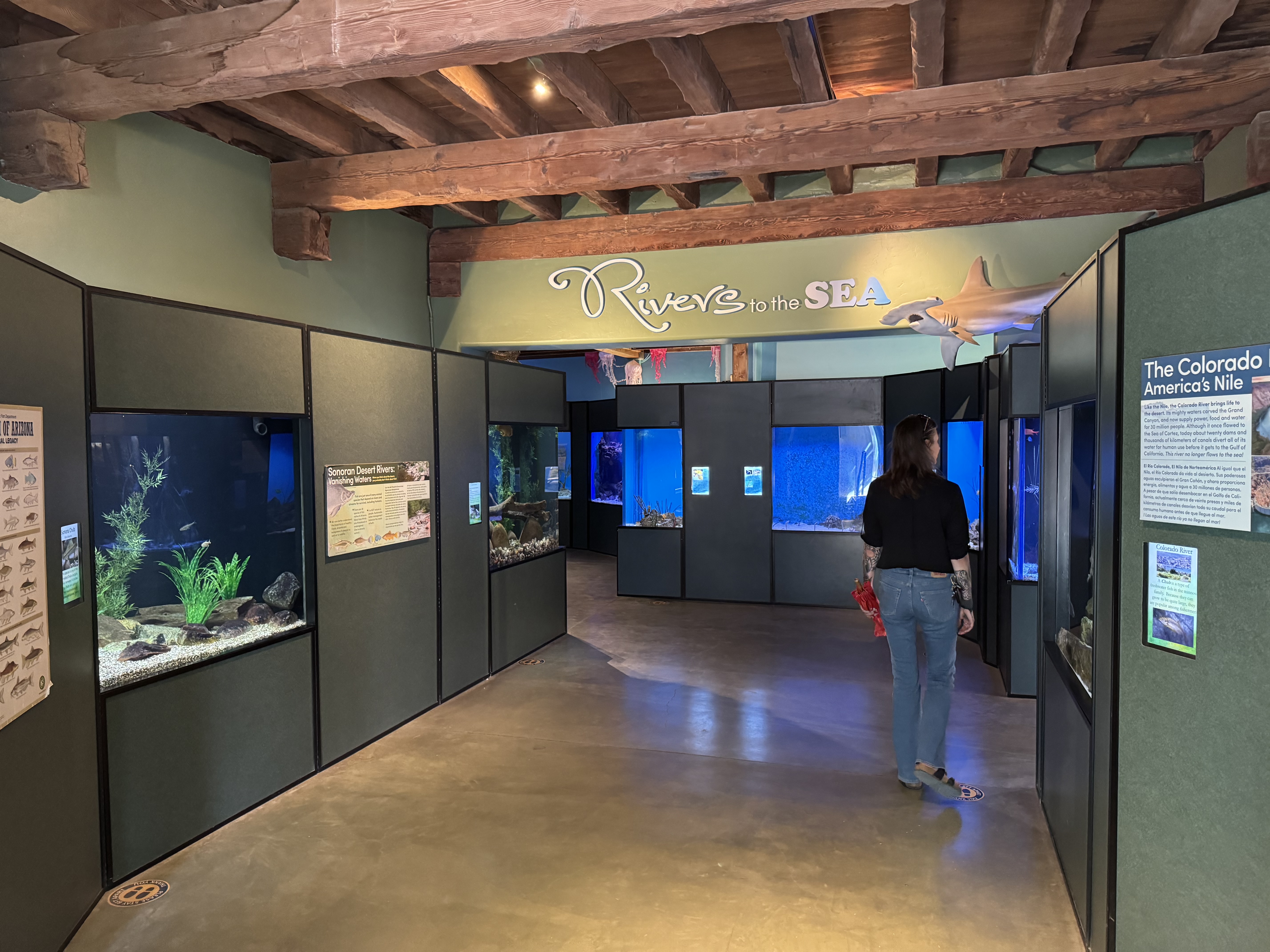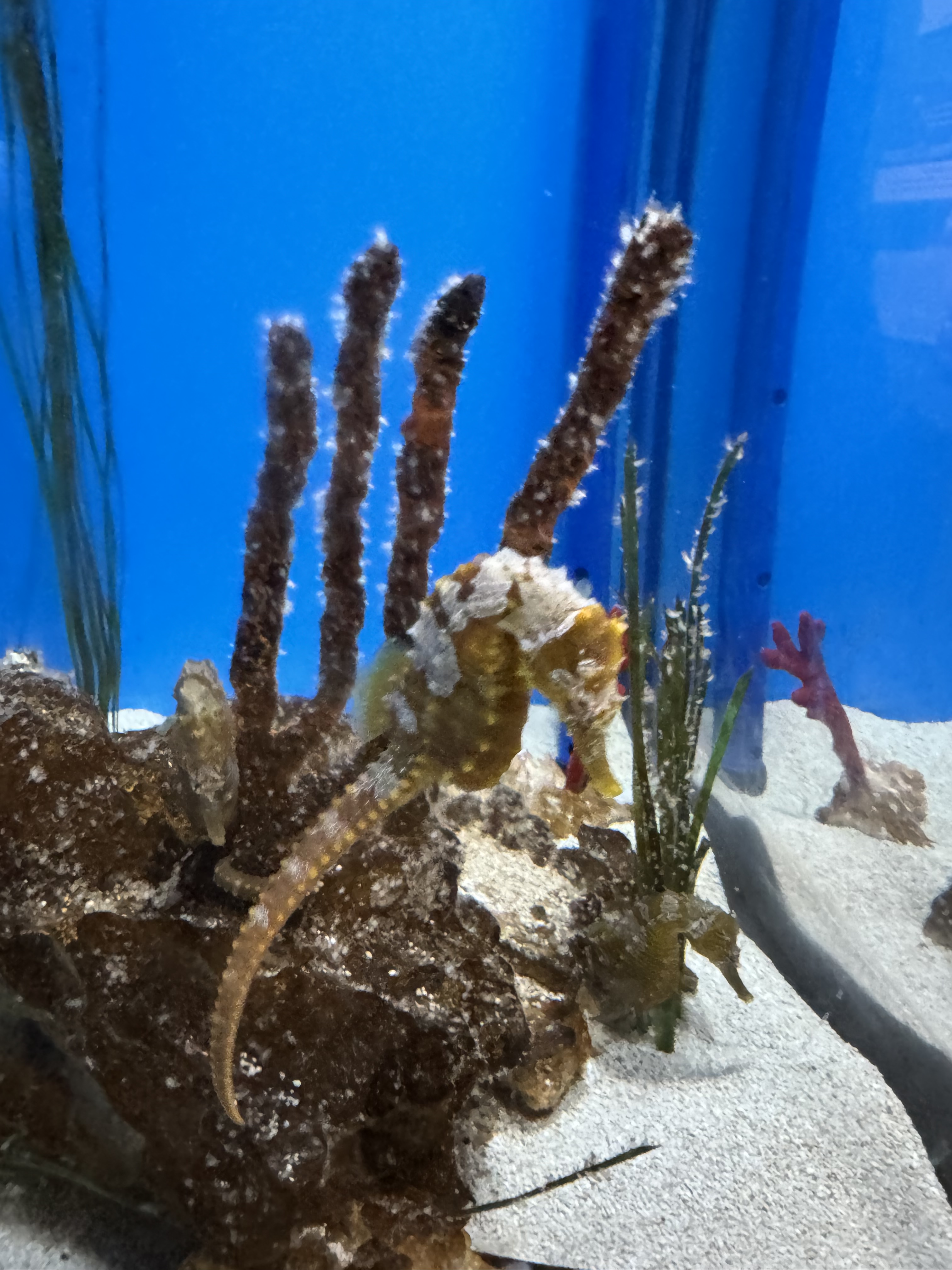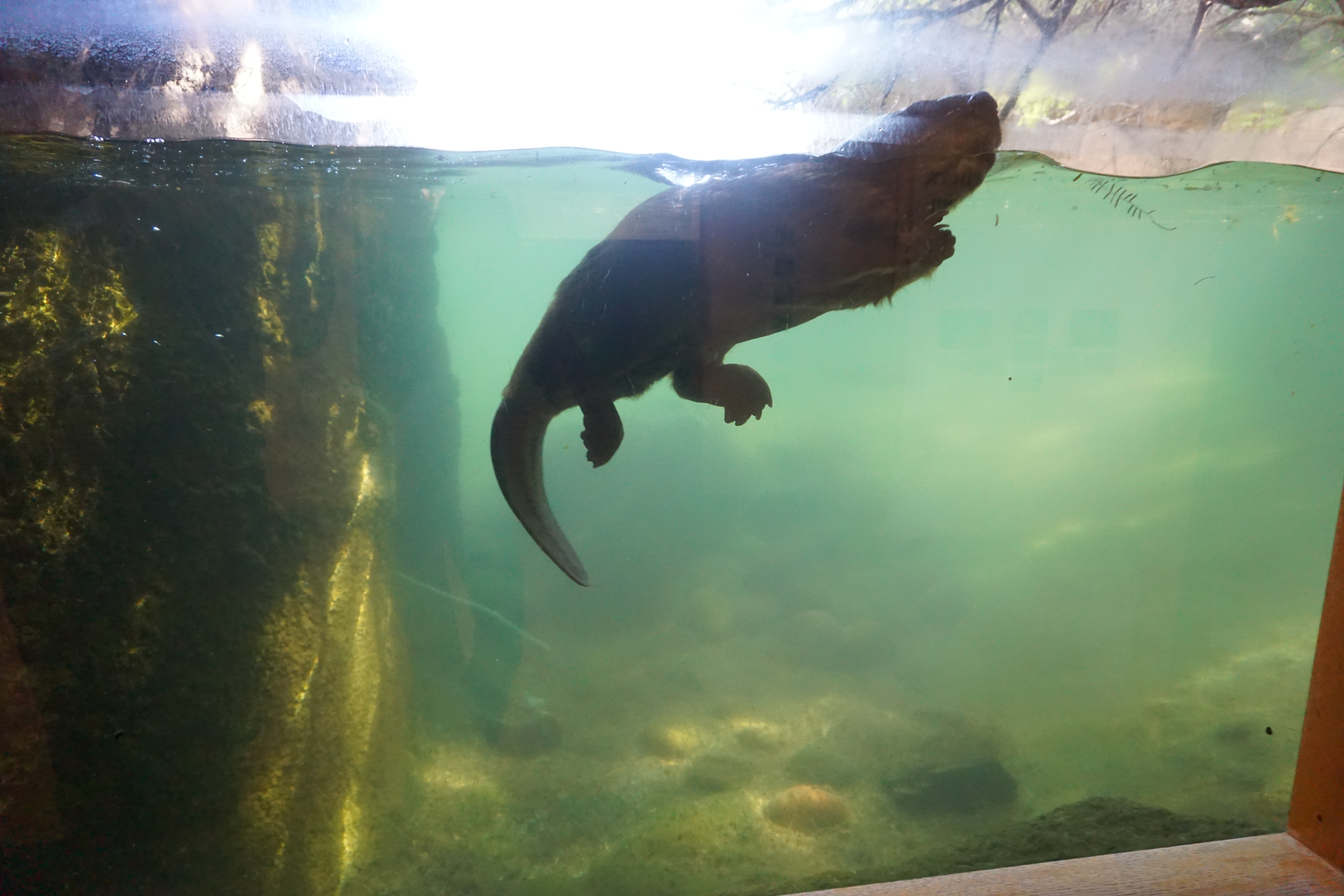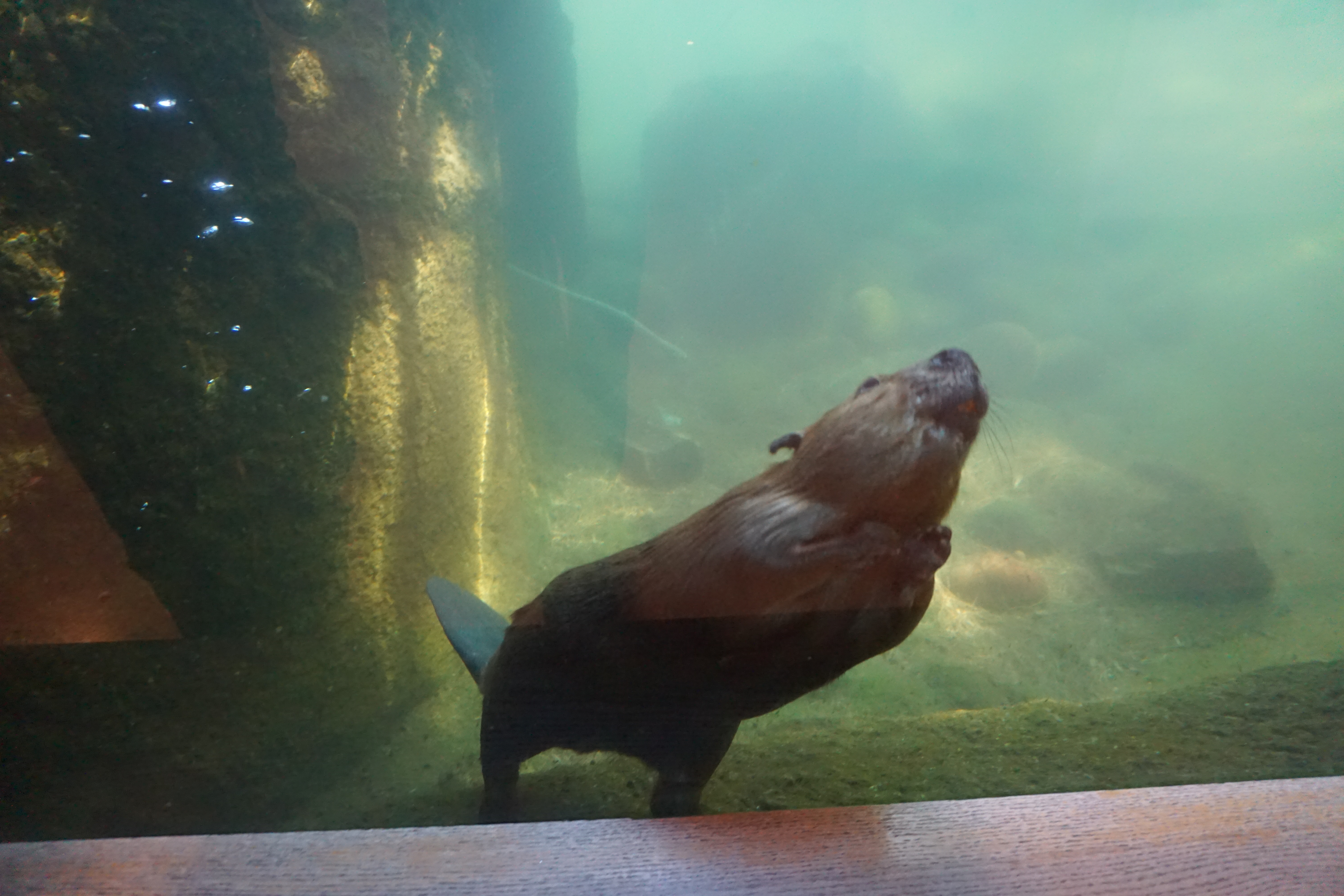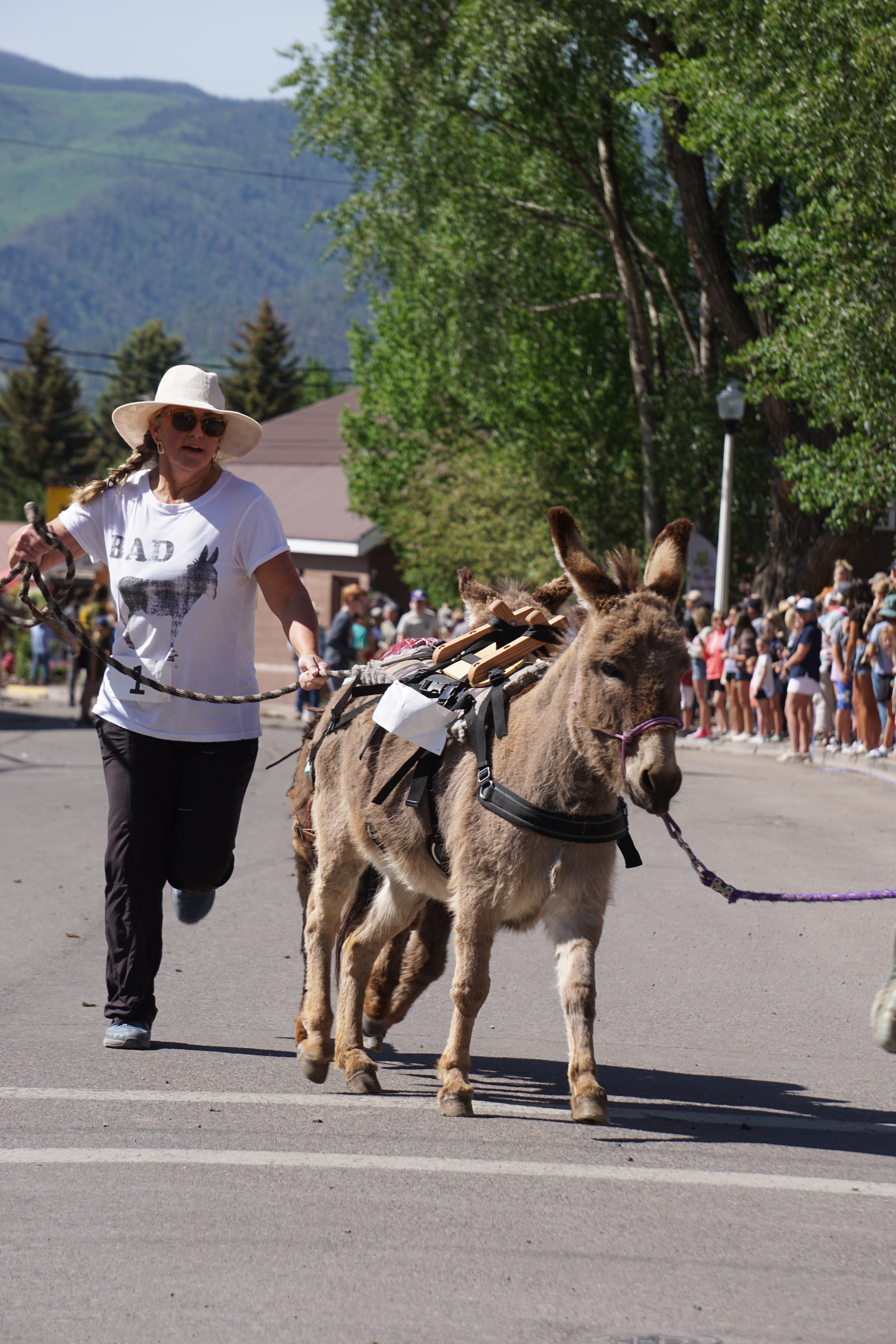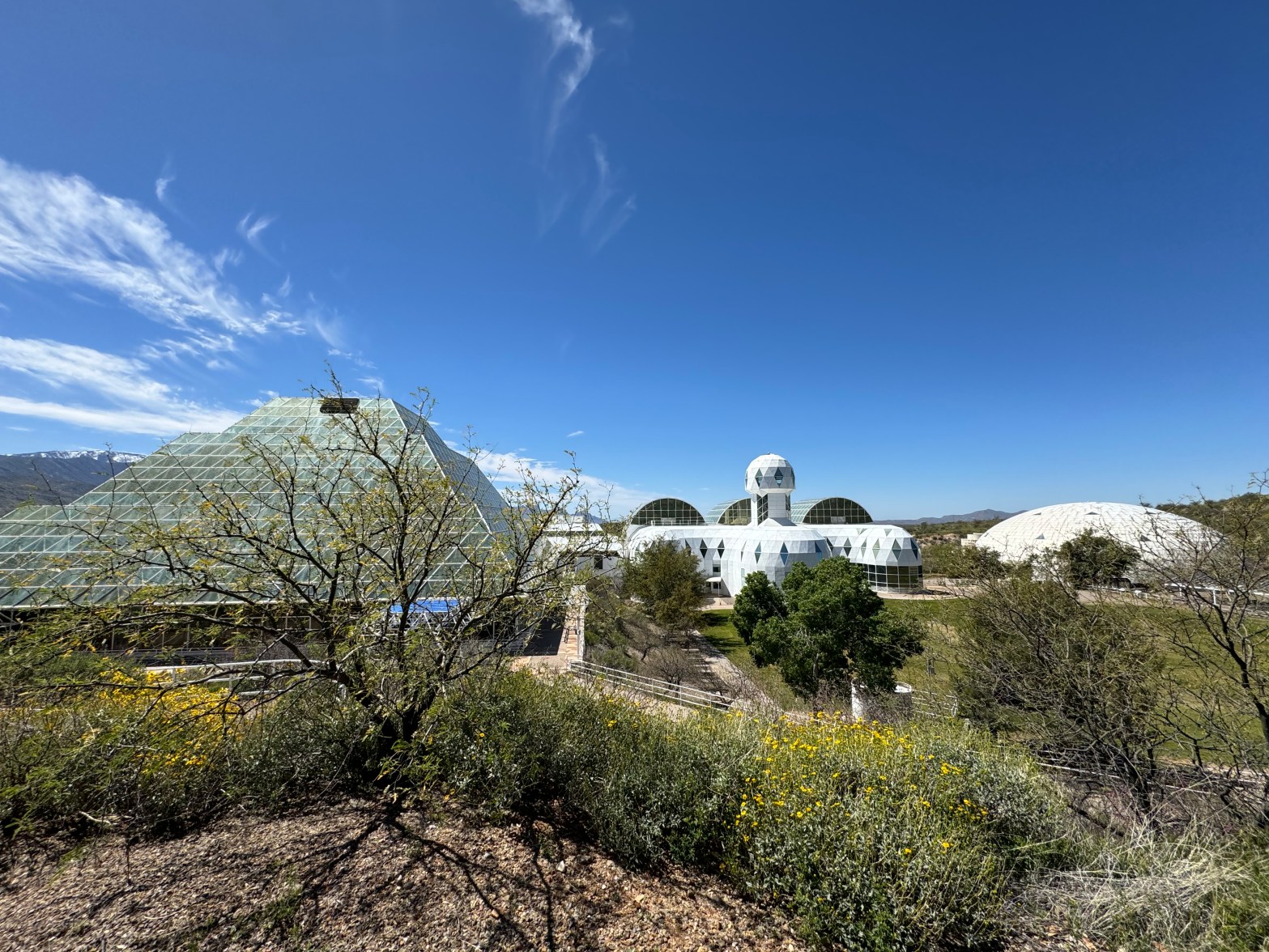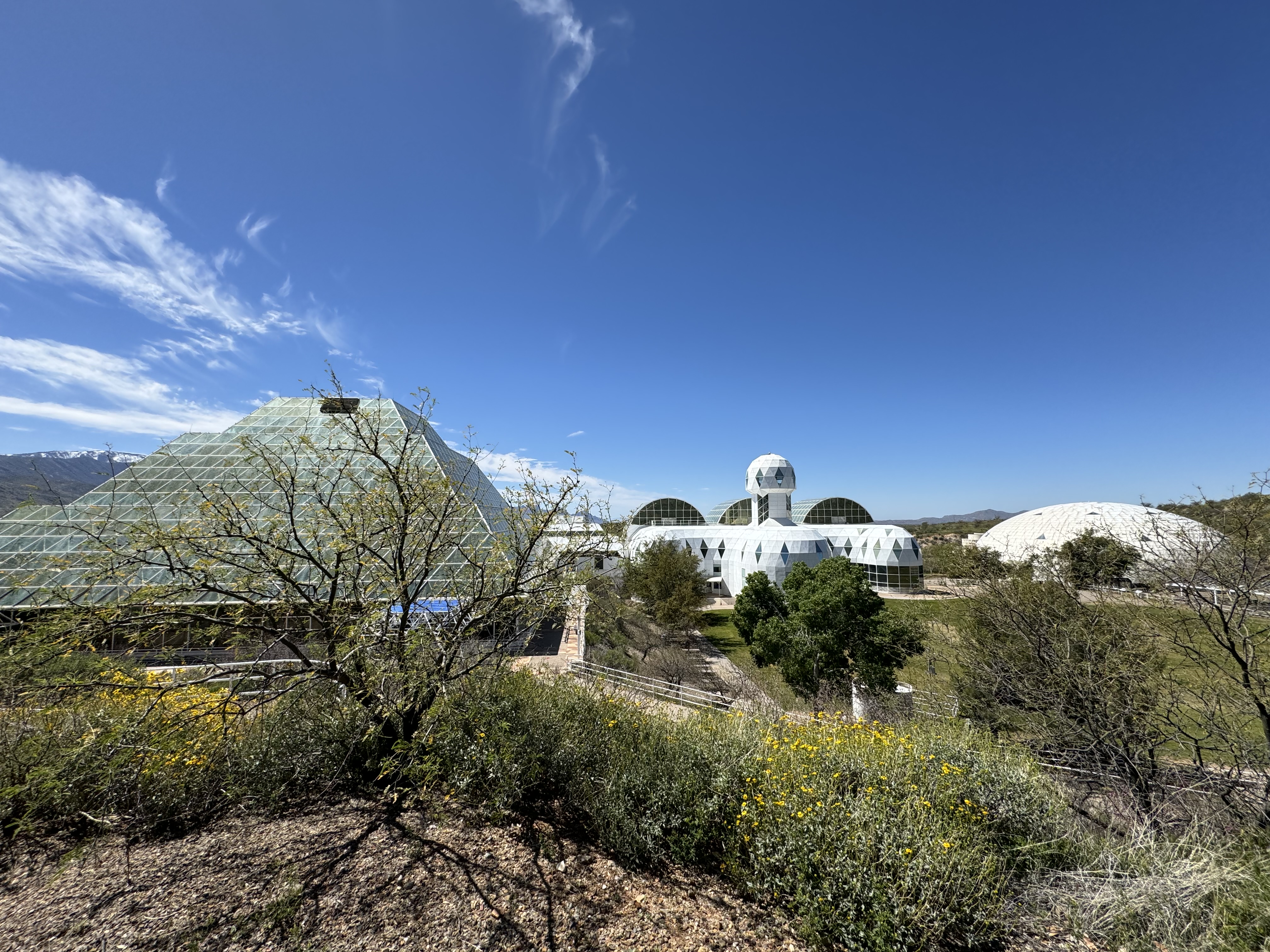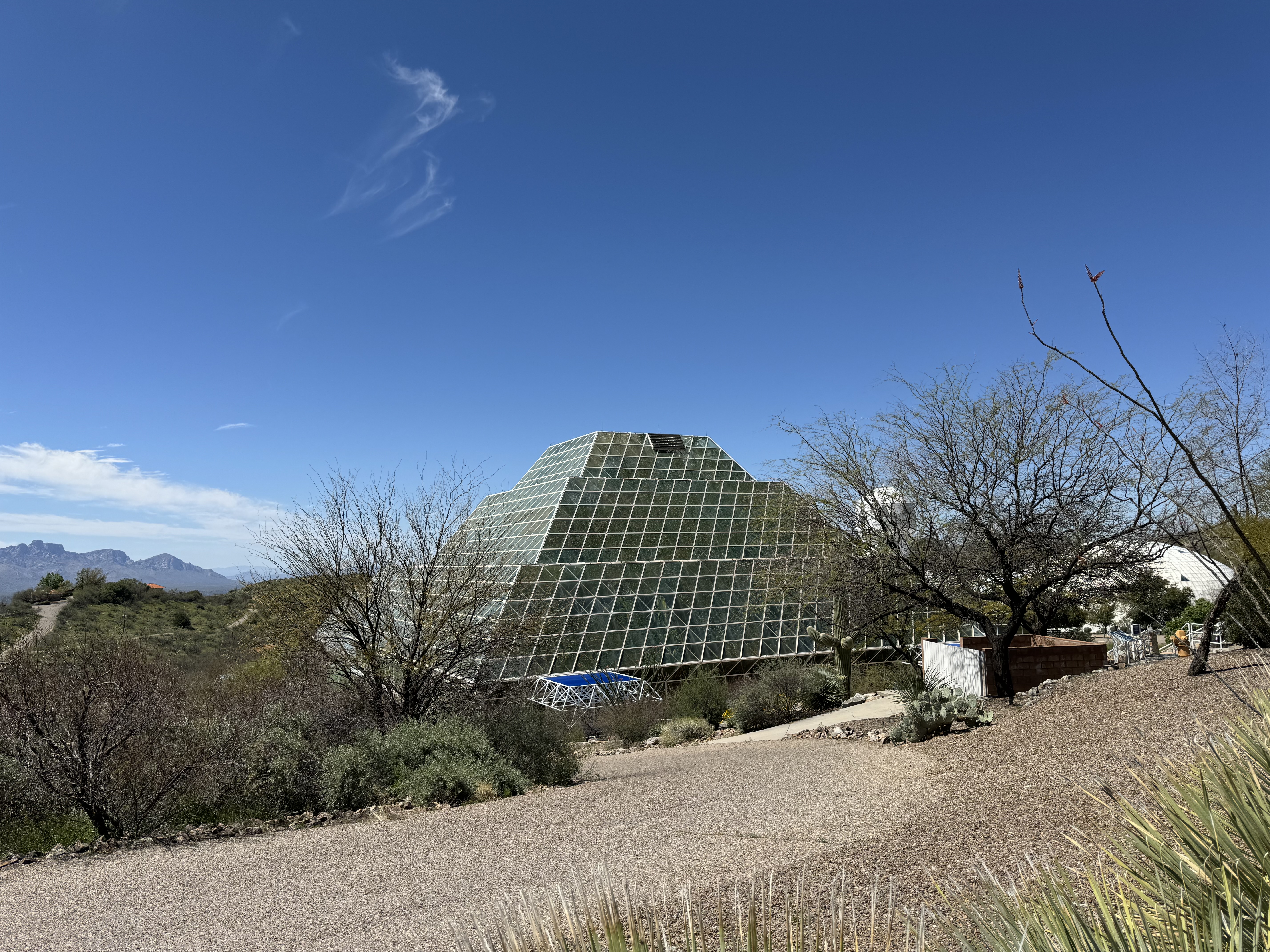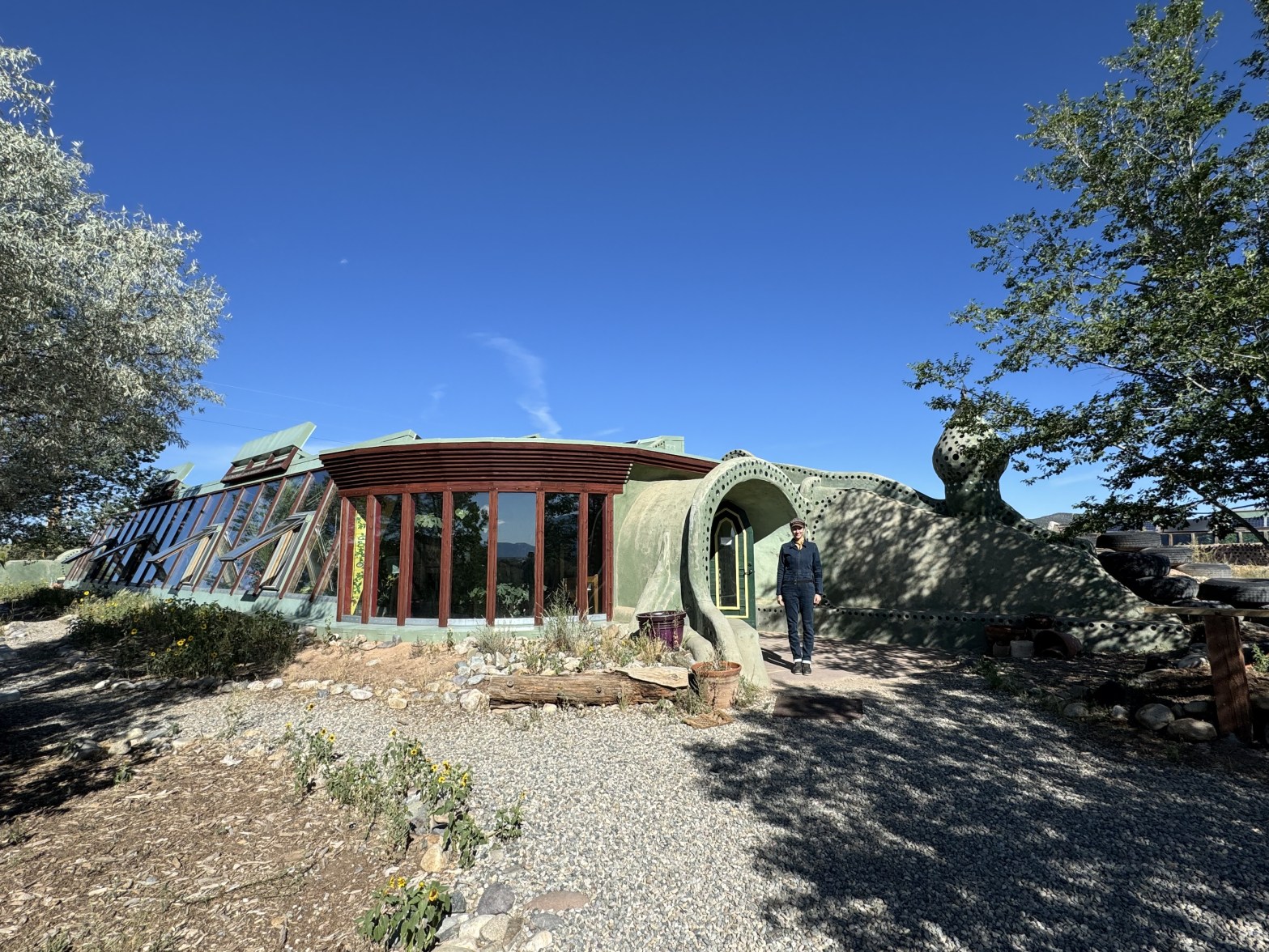
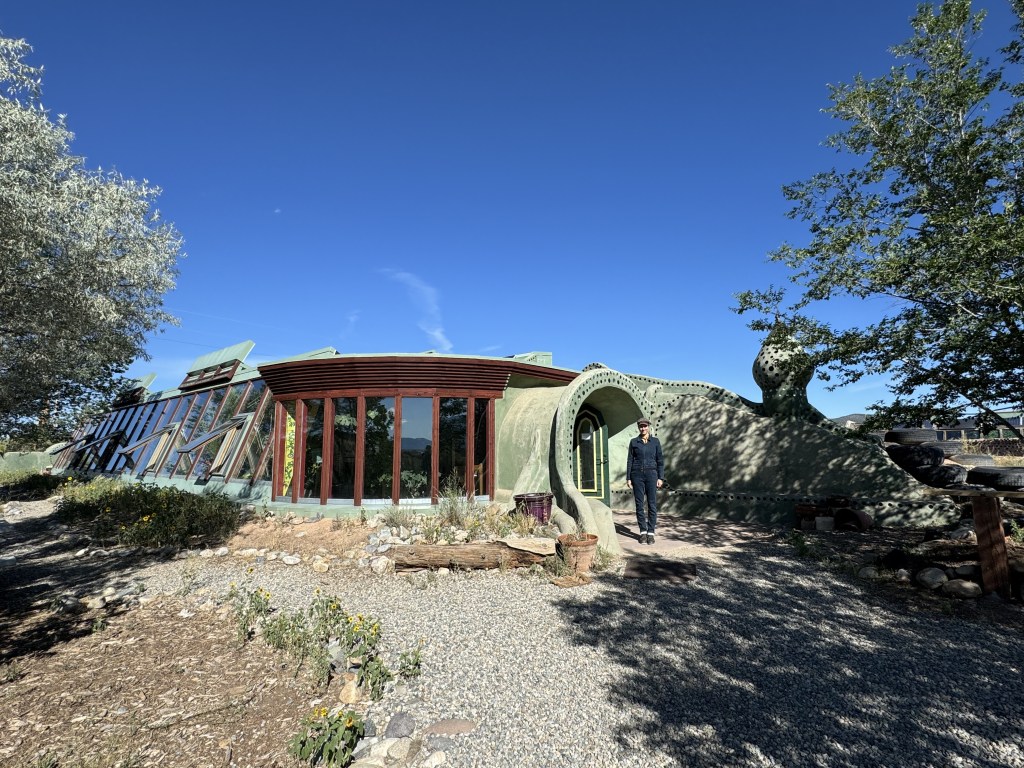
We spotted signs for the Arizona-Sonora Desert Museum on our way through the Saguaro National Park outside of Tucson, Arizona, and decided to stop in and check it out. We had no idea what to expect, but it ended up being a wonderful surprise! It is a huge museum, with approximately 85% of it outdoors (wear good shoes and bring water!), and several indoor exhibits as well.
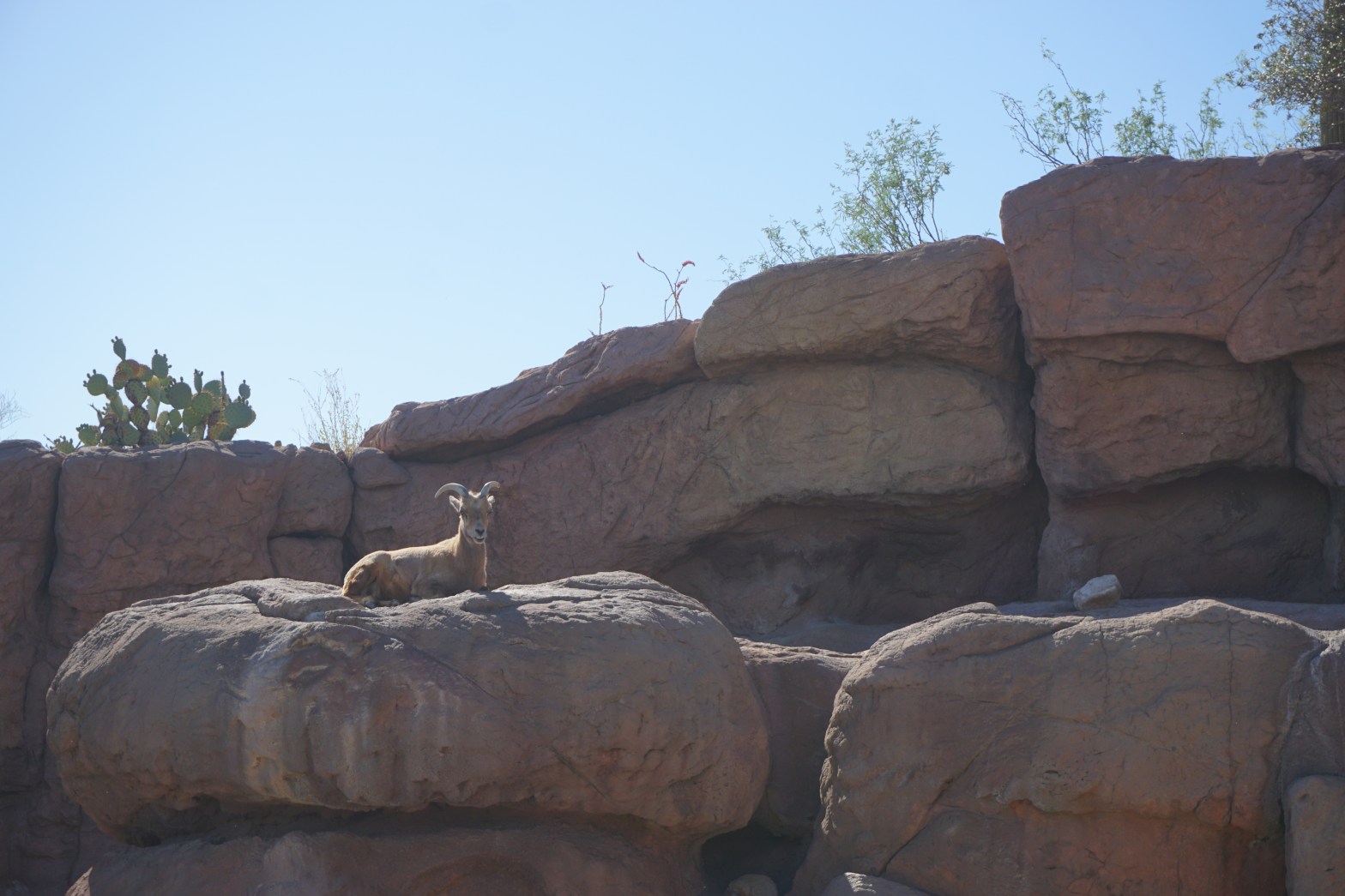
The museum has outdoor animal displays with mountain lions, bighorn sheep, and more – all native to the desert. In addition there is an aviary, multiple outdoor botanical gardens, an art gallery, natural history exhibits, a reptile exhibit, and an aquarium to explore.
Many of the exhibits are interactive, and they also offer tours and live animal demonstrations, as well as hands-on animal exhibits such as the stingray touch. Unfortunately, we just missed that before I closed for the day, I can honestly say I’ve never touched a stingray in the middle of the desert!
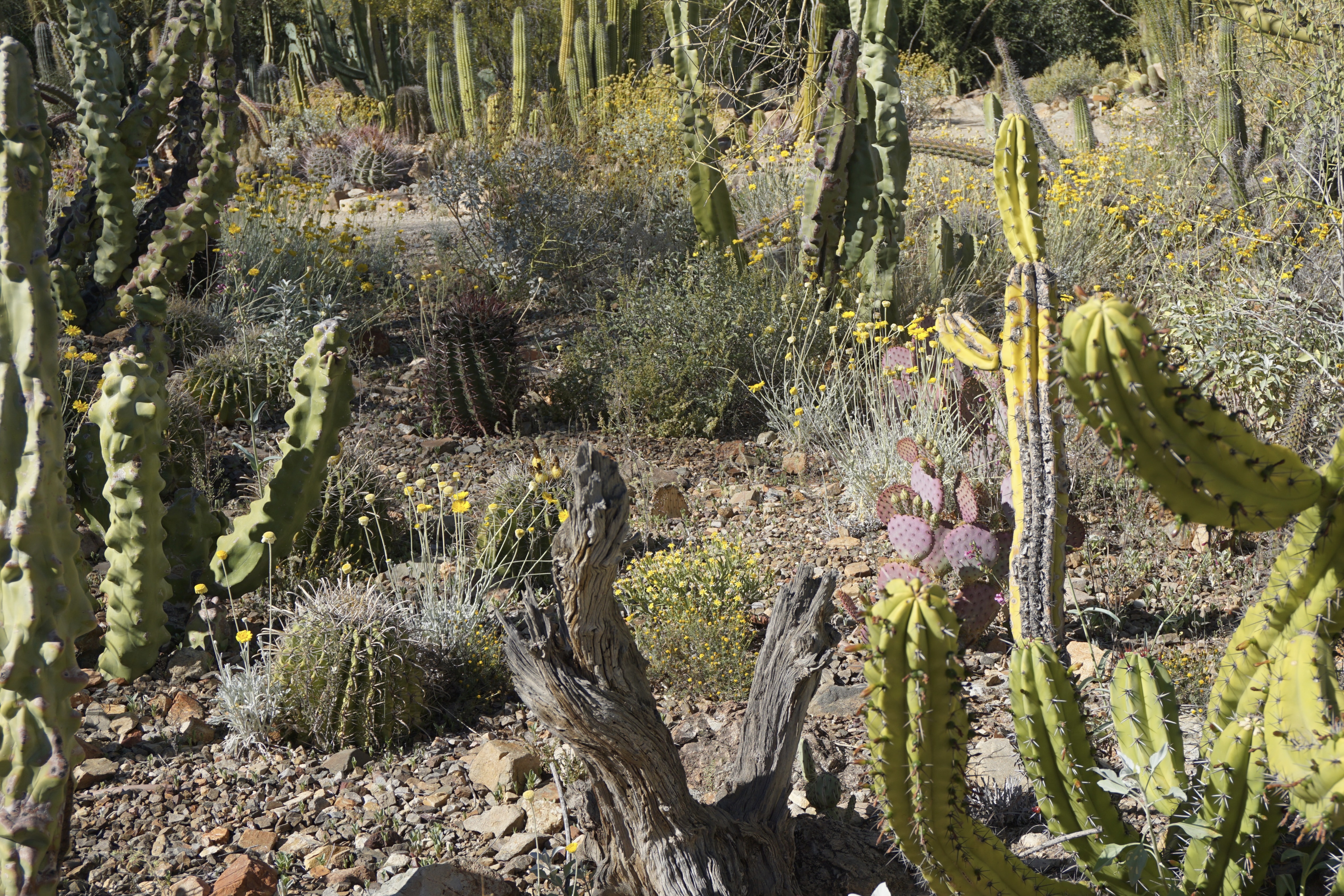
We arrived a couple hours before close and were able to make it through the majority of the park although you could easily spend an entire day here, especially if you are visiting early in the morning or in a cooler time of the year and want to hike the Surrounding Desert Loop Trail surrounding the museum. As an adult this museum is excellent, but it would shine even more for children!
At the end of the last post I said I may need to get the proper gear together so I could attend during the event proper where pre-1840s attire was required…..I had been thinking about next year…
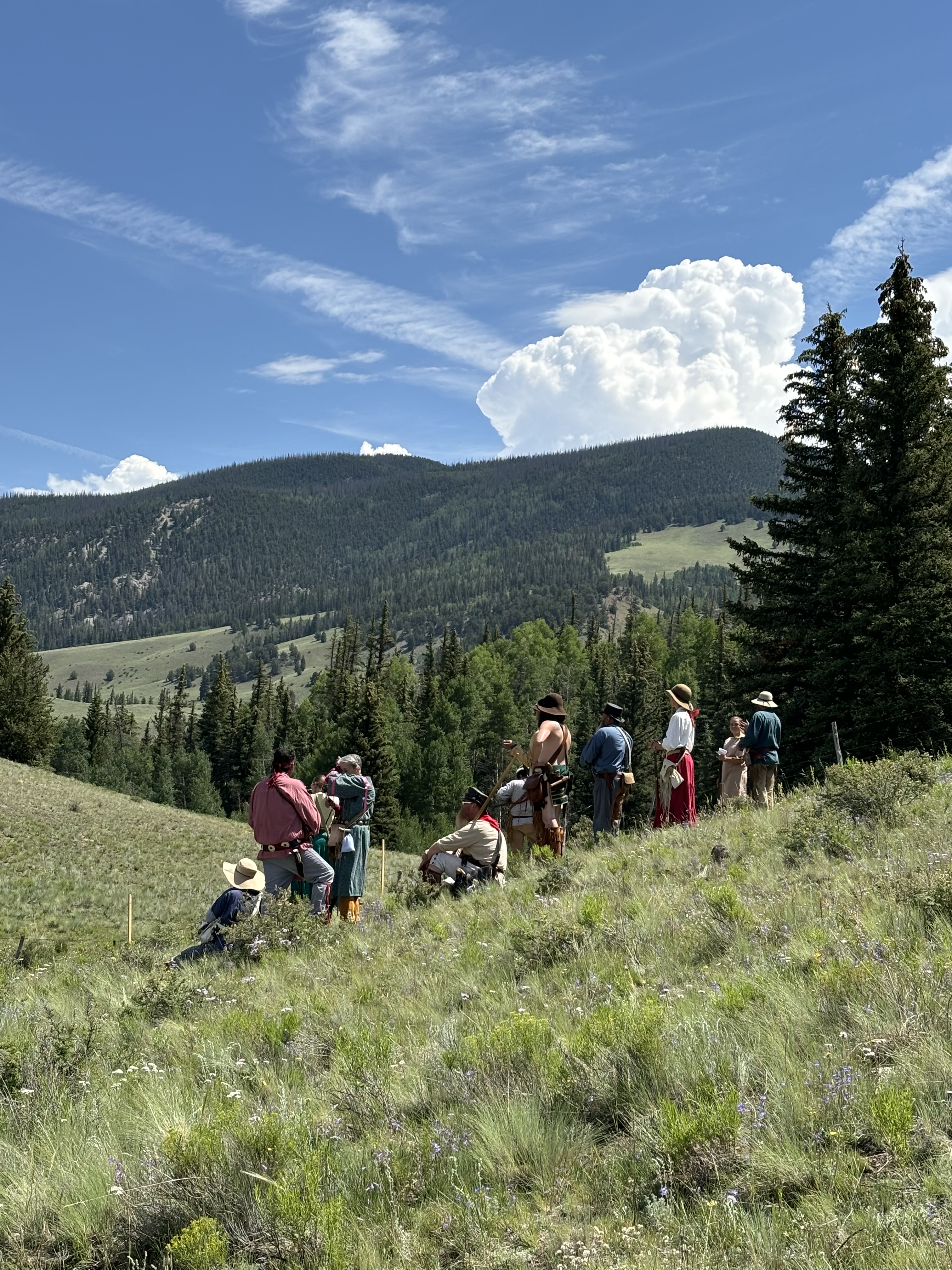
A view of the Rendezvous from up on the mountain
I went back into the Rocky Mountain National Rendezvous last Sunday and managed to score a period correct shirt from “Bullfrog”, a good trade as they say. I picked up some other accessories but pants proved to be a challenge. Bee got back into town Monday from a motorcycle adventure of her own, and we headed into Creede to the Wild Beaver Mountain Man Emporium to see if Romona or Jay could help. Unfortunately no luck on pants in my size, although I found a hand woven sash and Bee was able to get a moccasin kit to help complete her outfit.
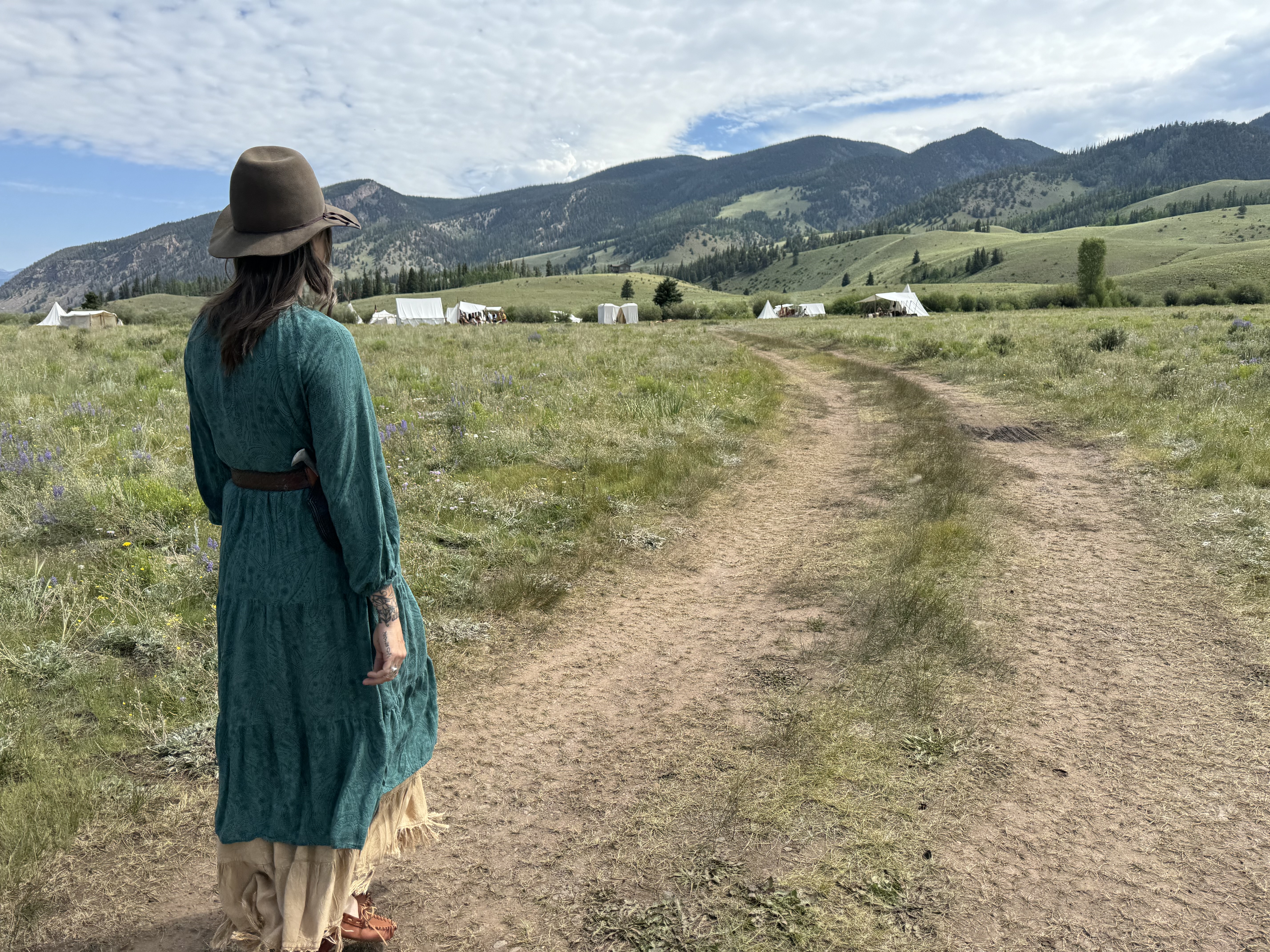
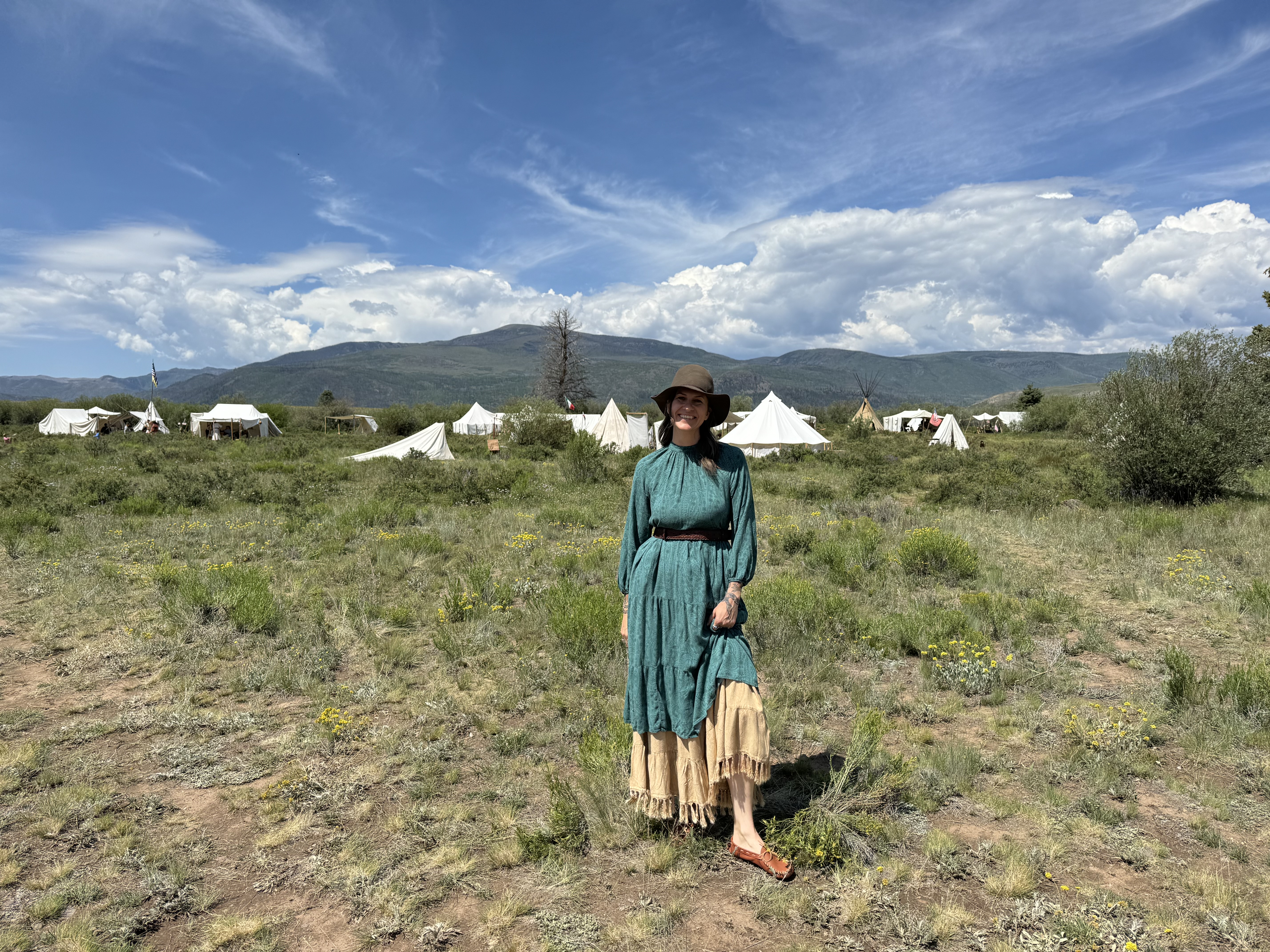
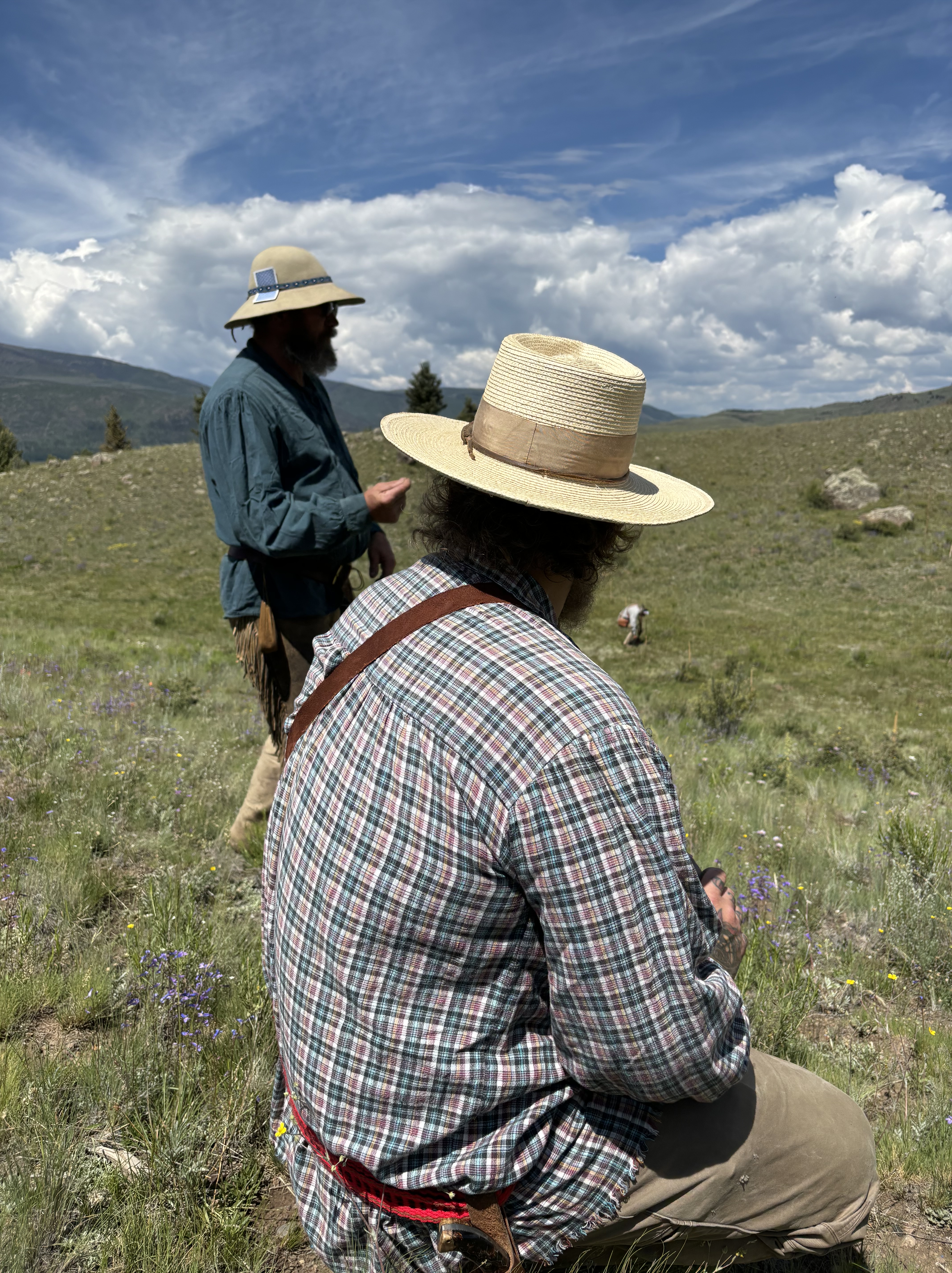
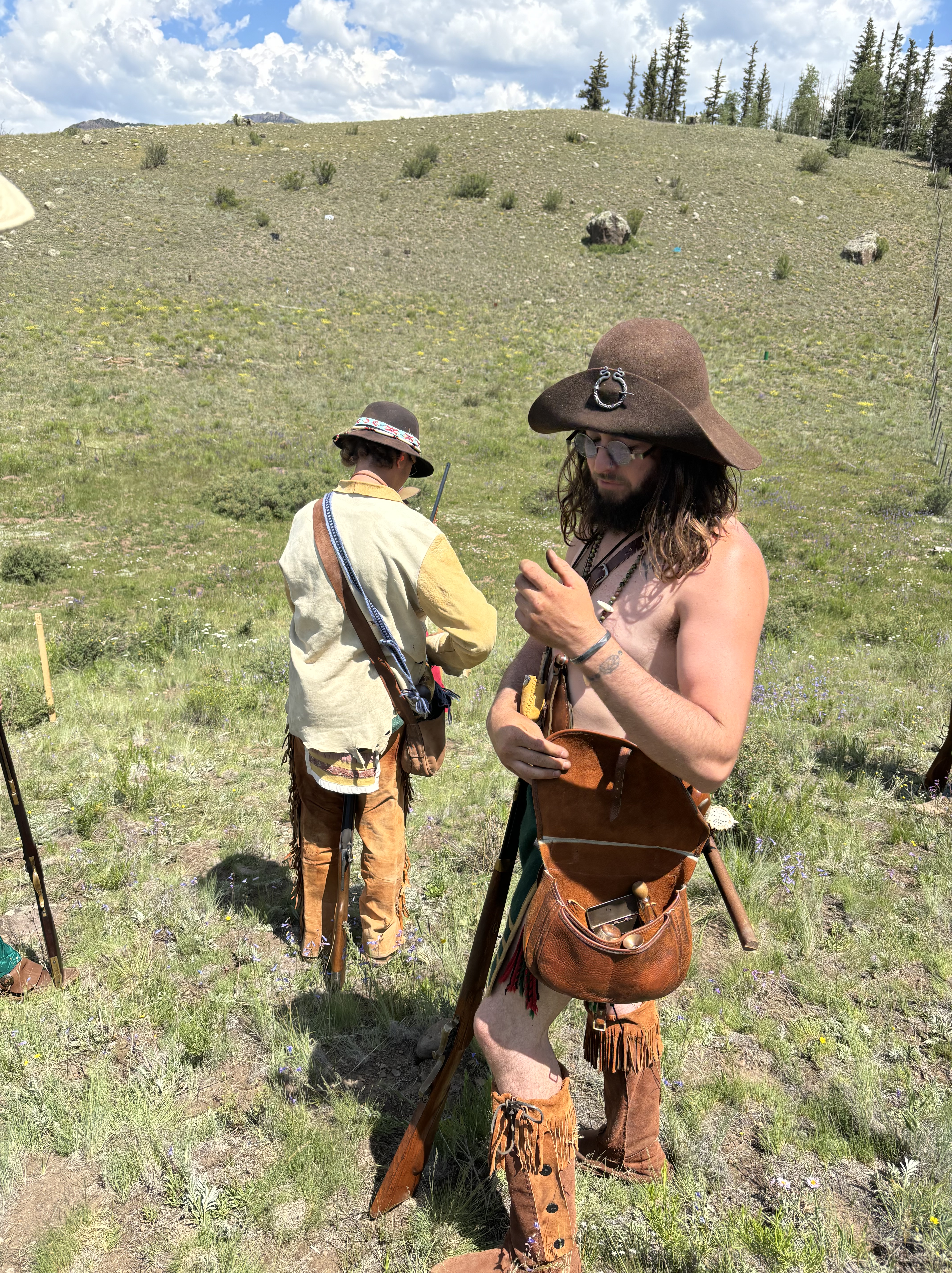
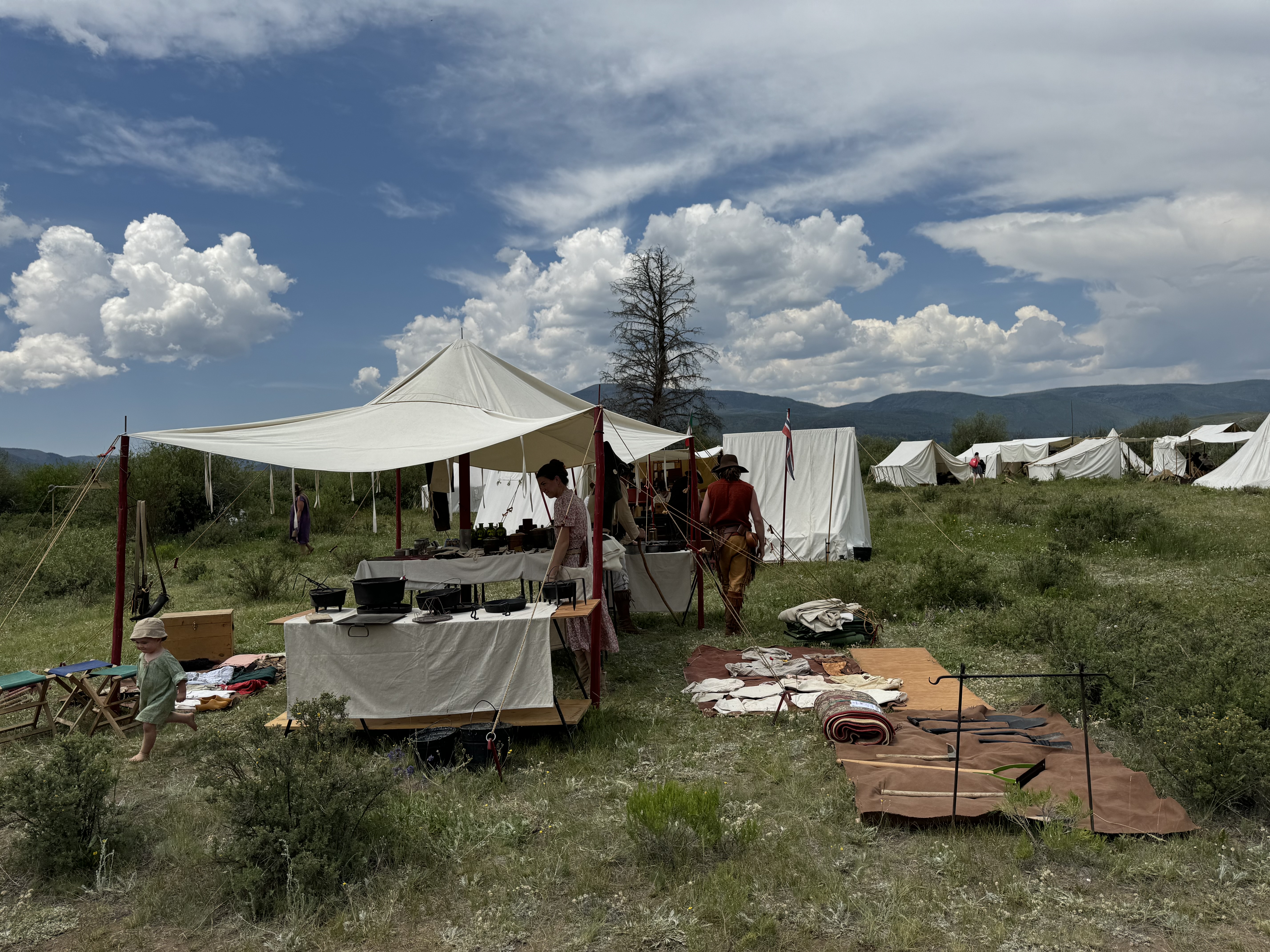
Later that week we got dressed and headed to the Rendezvous, nervous and hoping our clothing would pass muster. We arrived and walked into camp, talking to vendors and other people, asking questions and learning more about the event. My boots and canvas hiking pants were not period correct, but there were no issues and everyone seemed happy to welcome us to our first official Mountain Man Rendezvous!
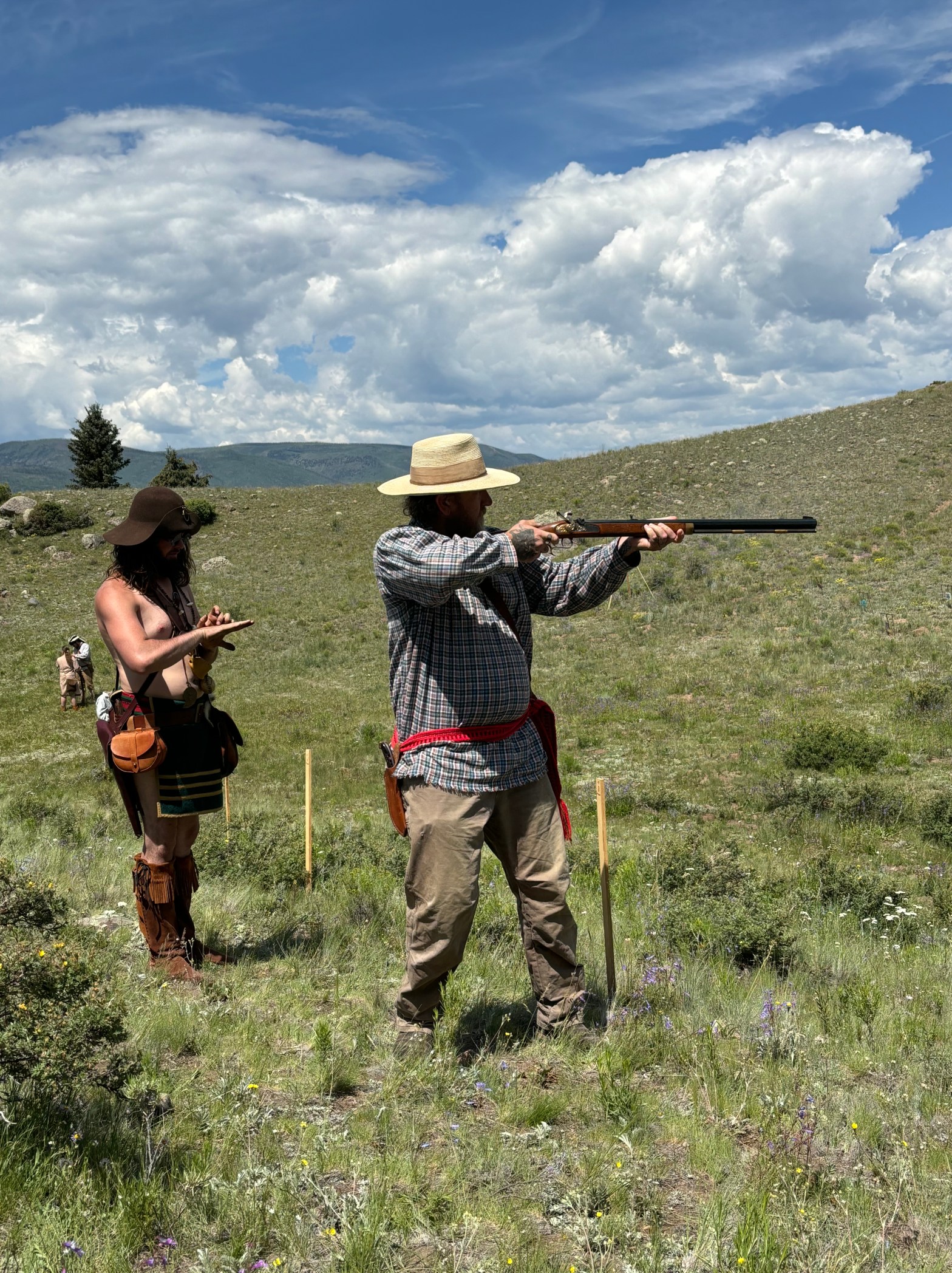
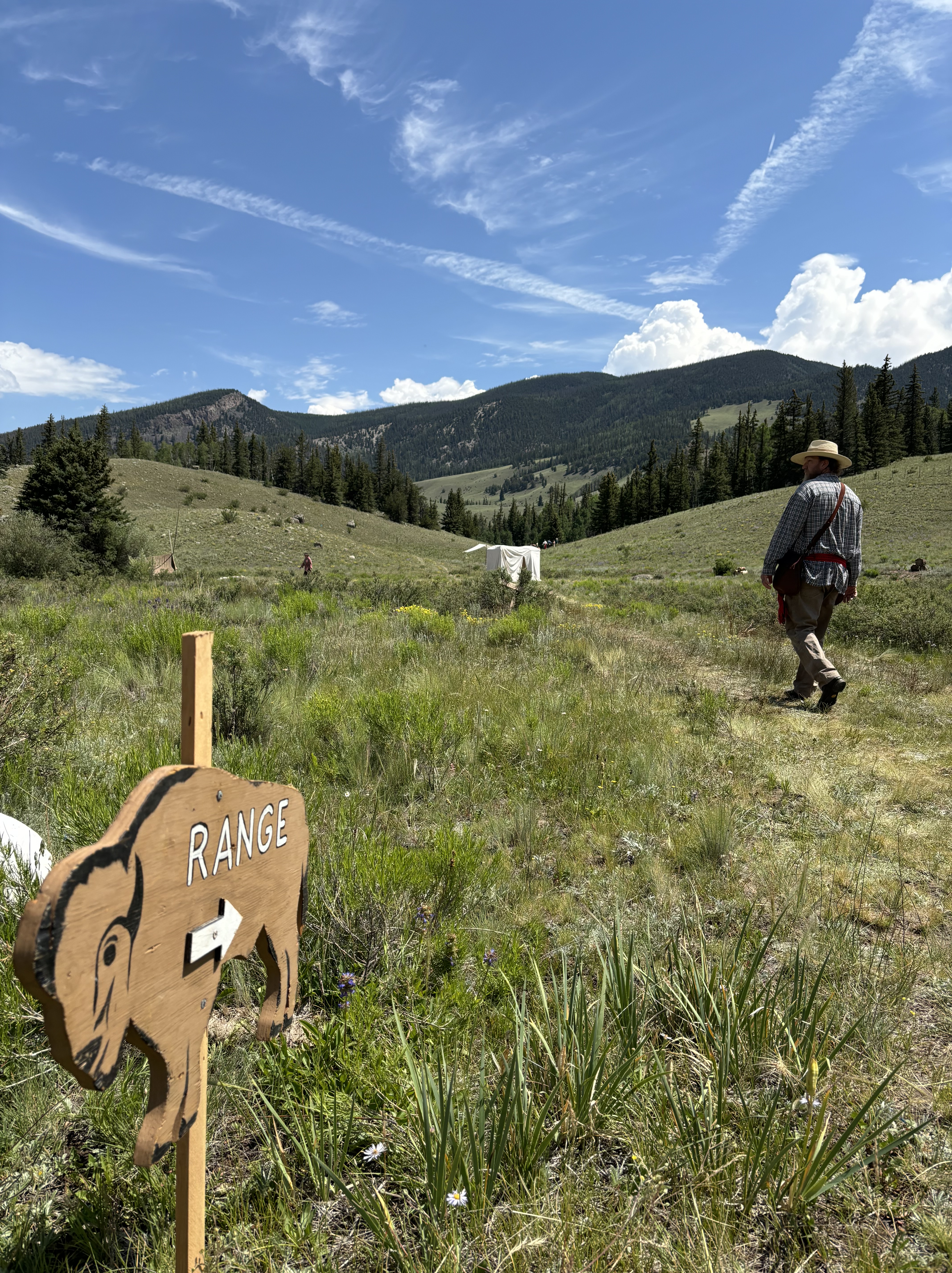
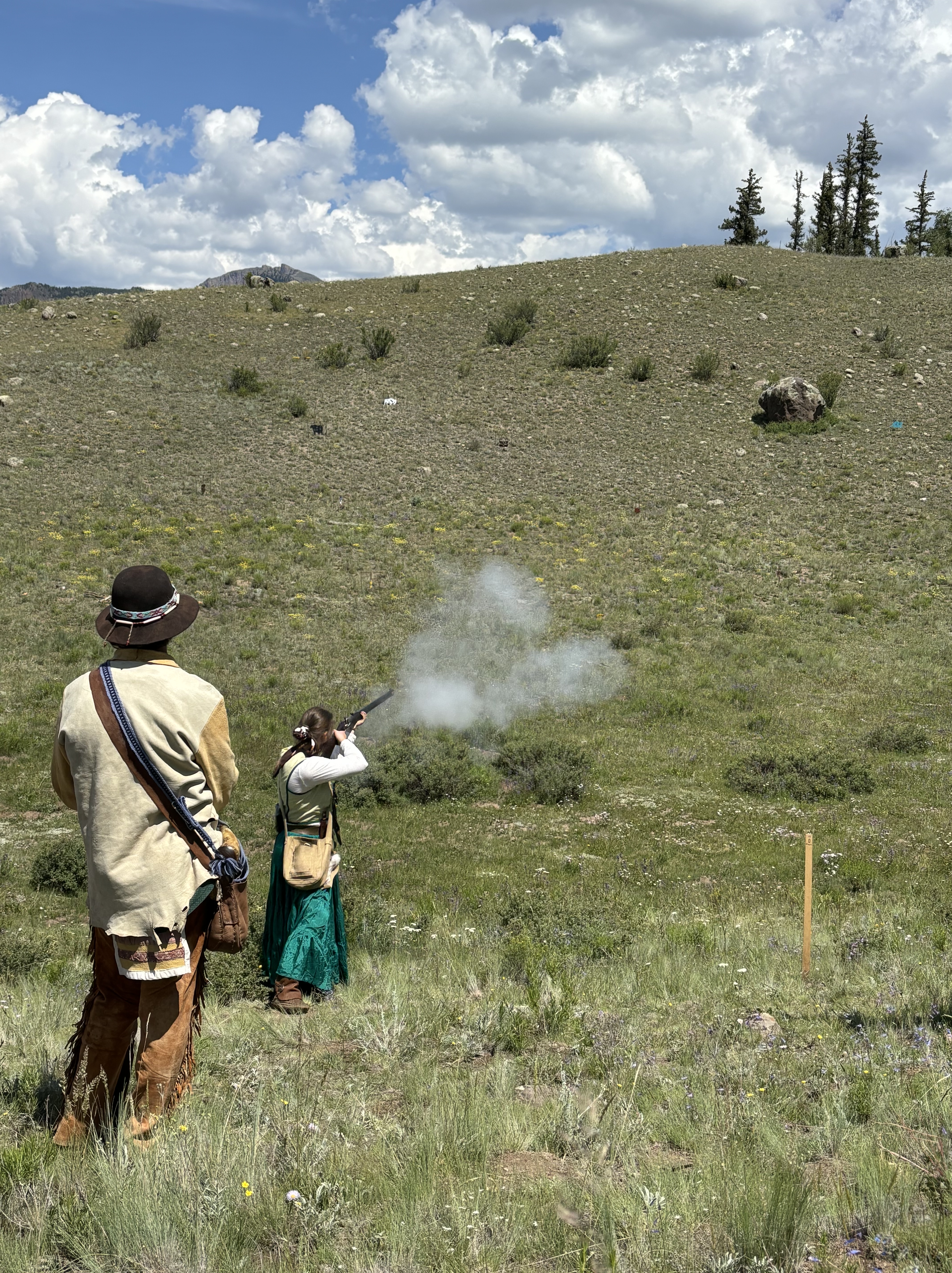
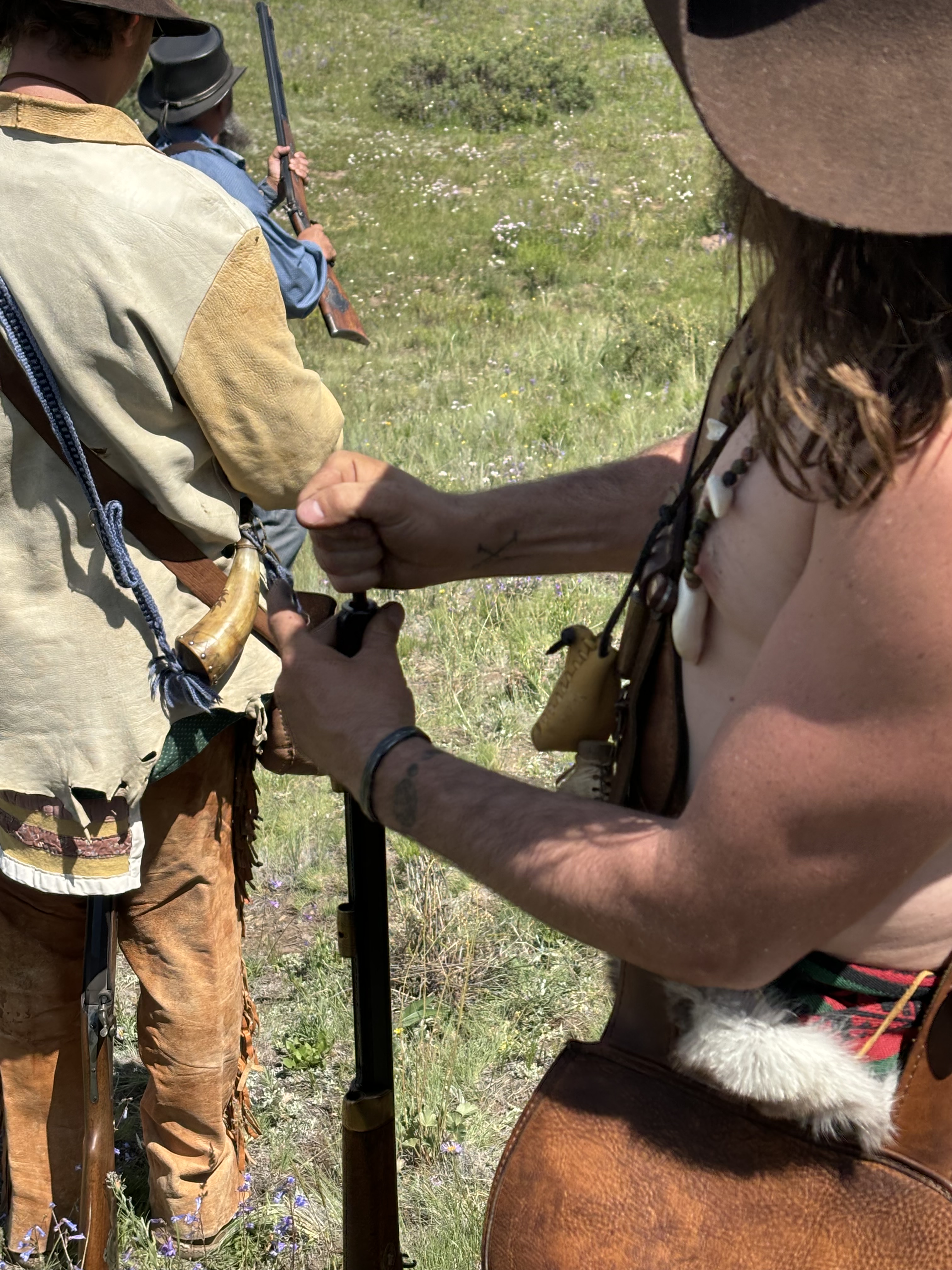
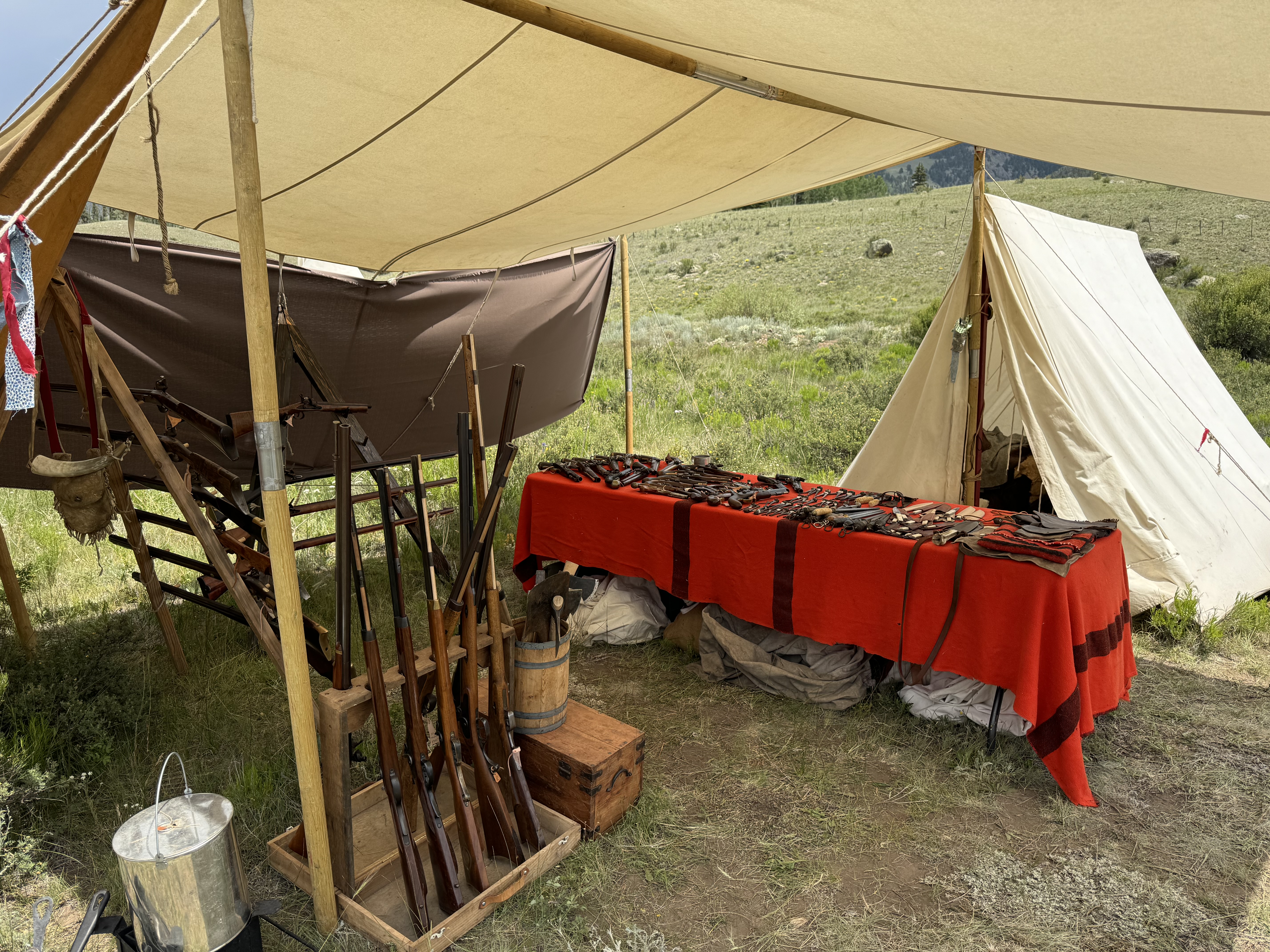
I was excited to check out the black powder muzzleloaders, all pre-1840s flintlocks and percussion rifles and pistols, so we headed to the range. They had a fantastic outdoor range with reactive targets set up, and we chatted with a bunch of the shooters about their weapons and the event. As we prepared to leave a gentleman asked if I would like to give it a shot, and of course I said yes immediately!
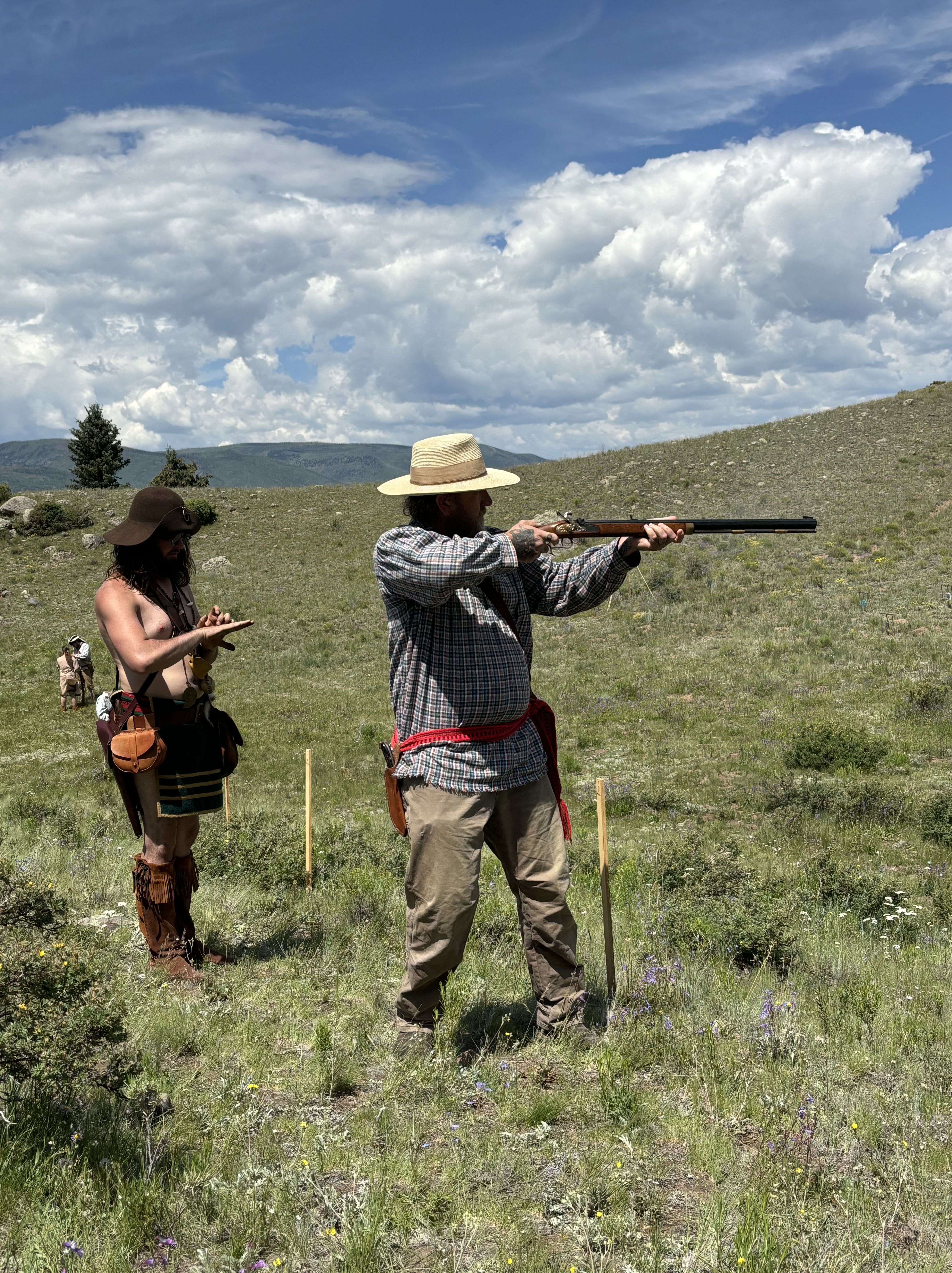
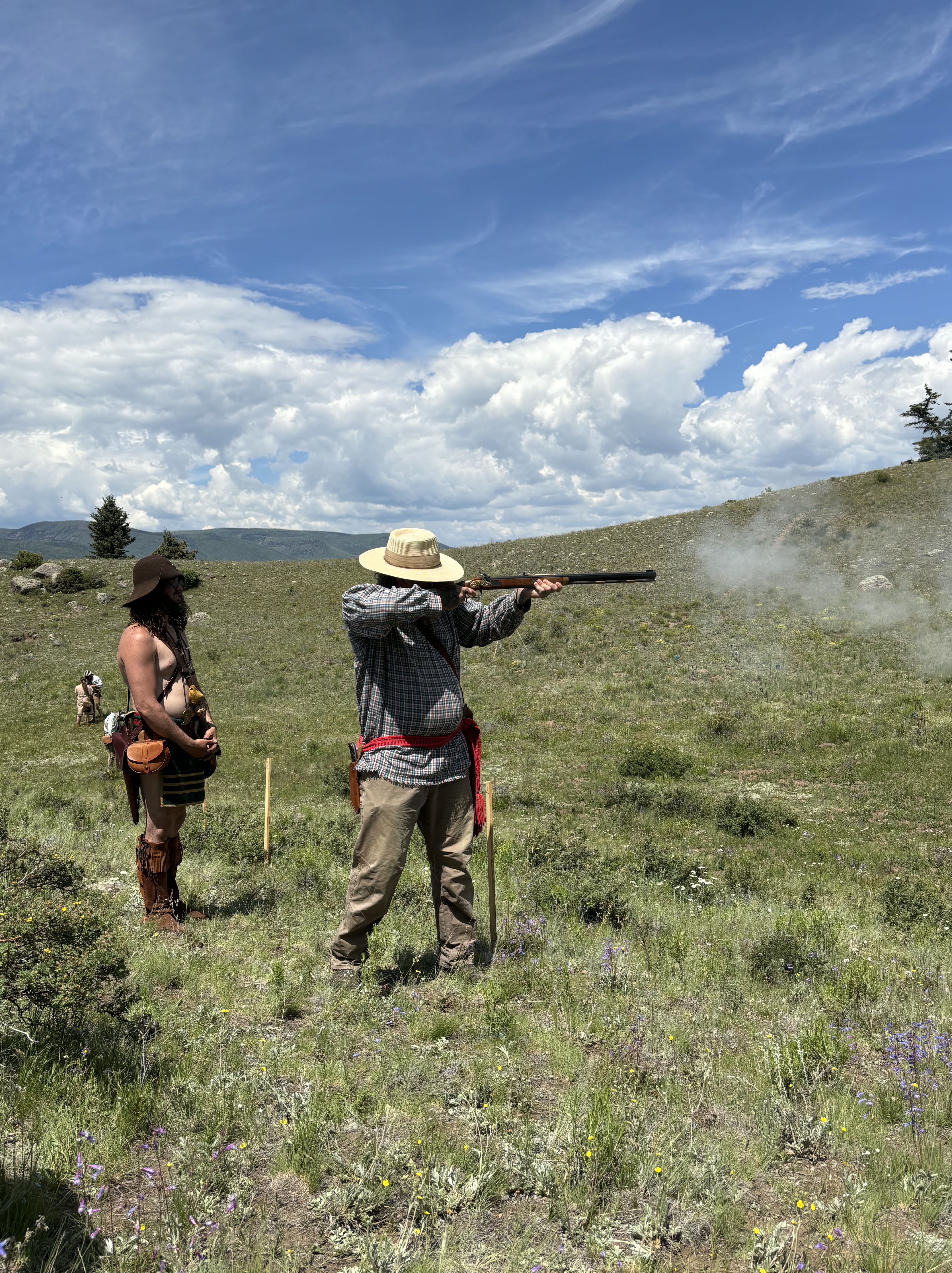
He gave me a short introduction to loading the rifle, and let me step up to the line. I was nervous, but a rifle is still a rifle, and I hit my target at 50 yards first shot, and everyone gave a yell! They asked if I was going to get a muzzleloader and of course the answer was… Yes I will.
It was a fun experience for both of us, and we hope to make the 200th anniversary National Rendezvous next summer in Wyoming!
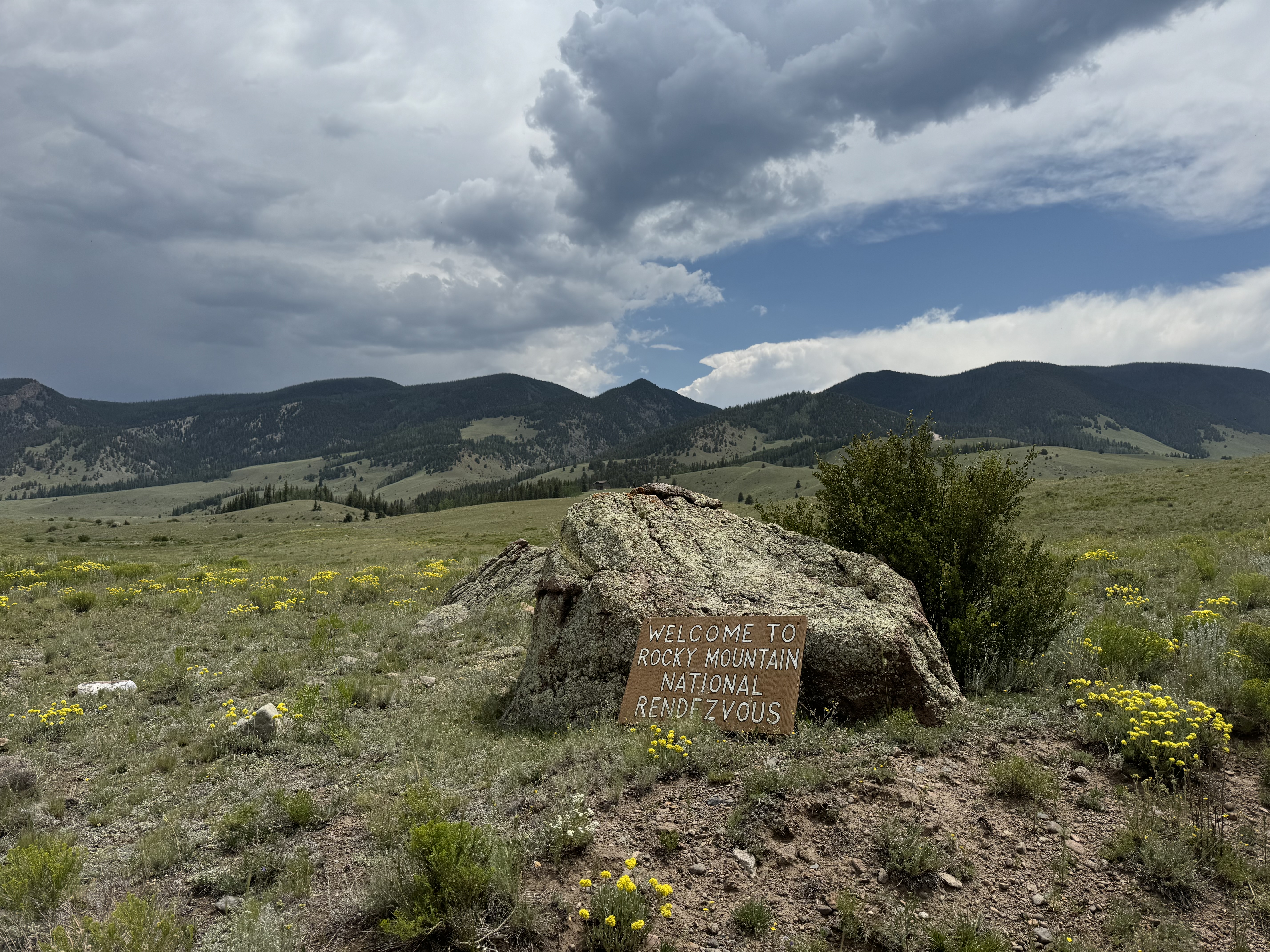
This year the Rocky Mountain National Rendezvous was moved from Ignacio, Colorado to Creede, Colorado at the last minute. The event goes on for the whole week, but after this weekend (7/13-7/14 10am-5pm) you need period pre-1840s attire to attend.
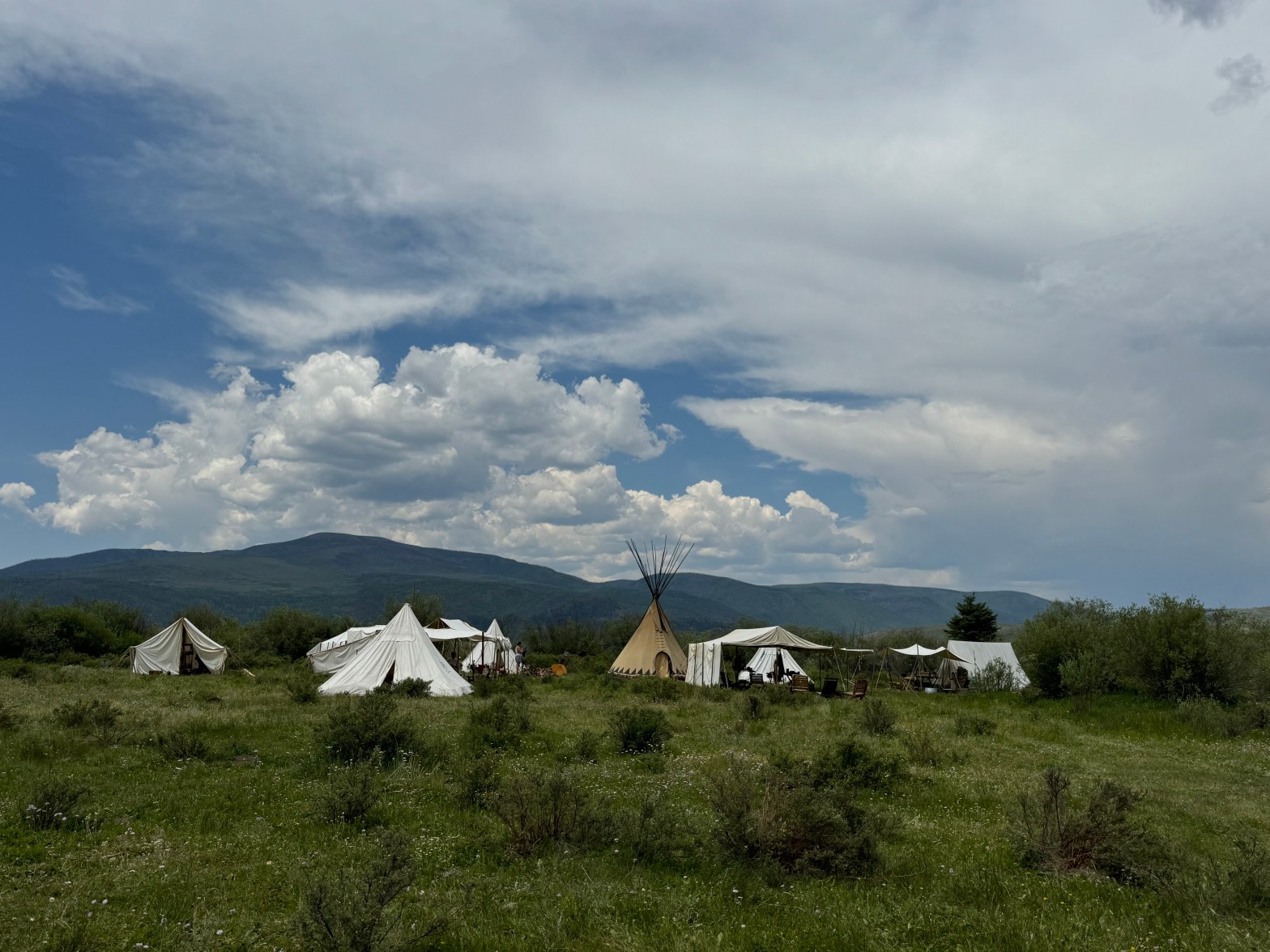
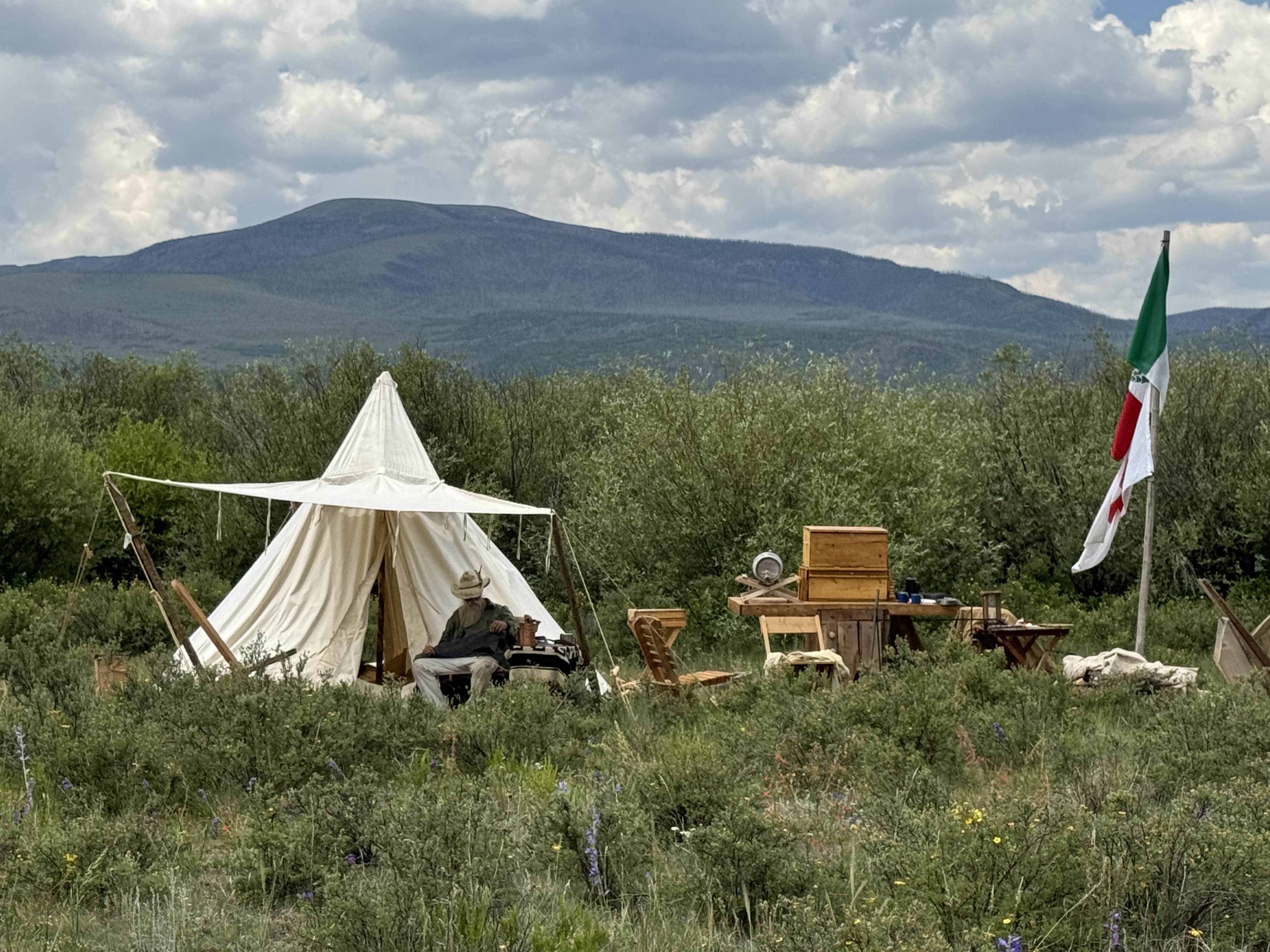
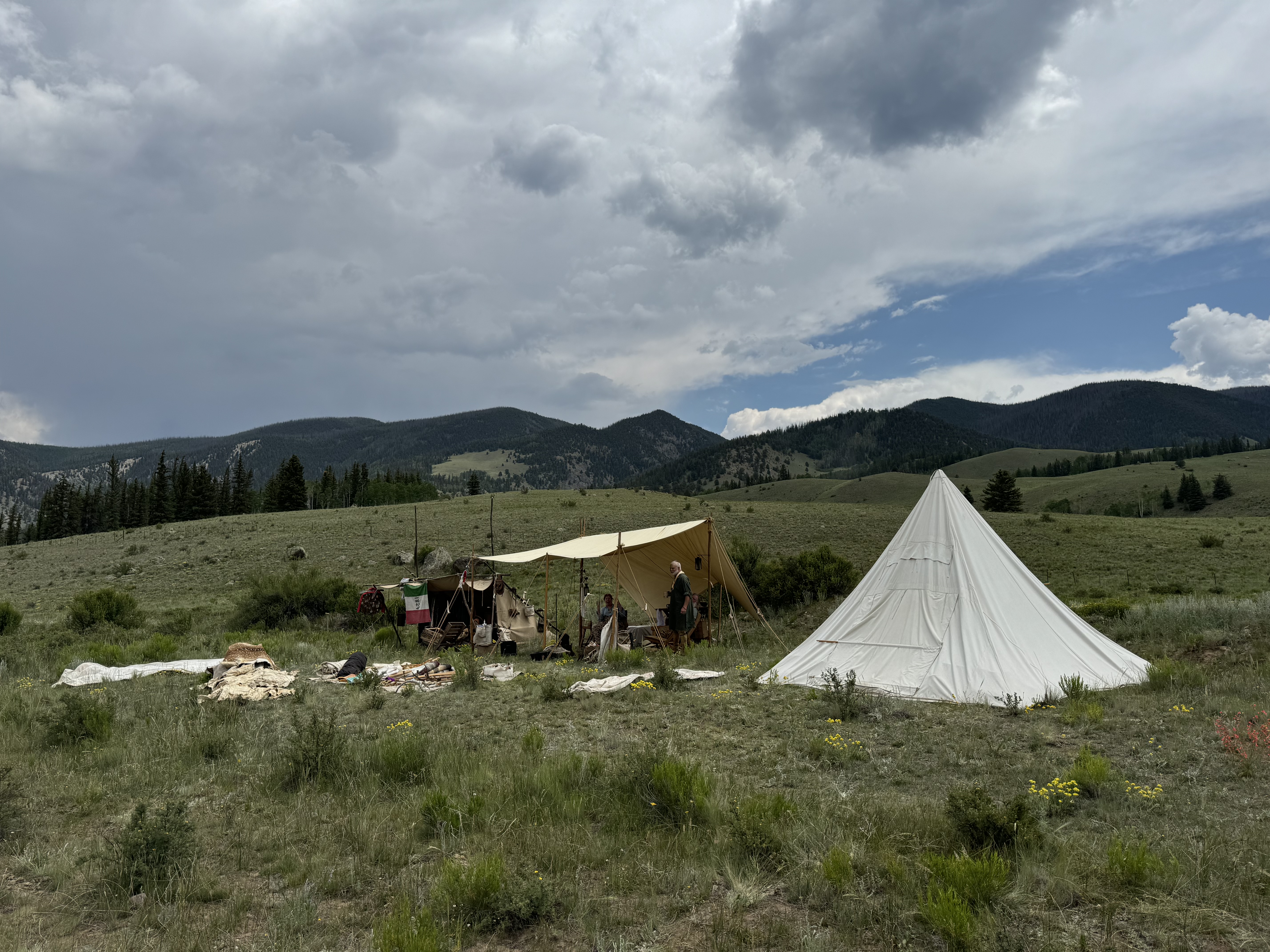
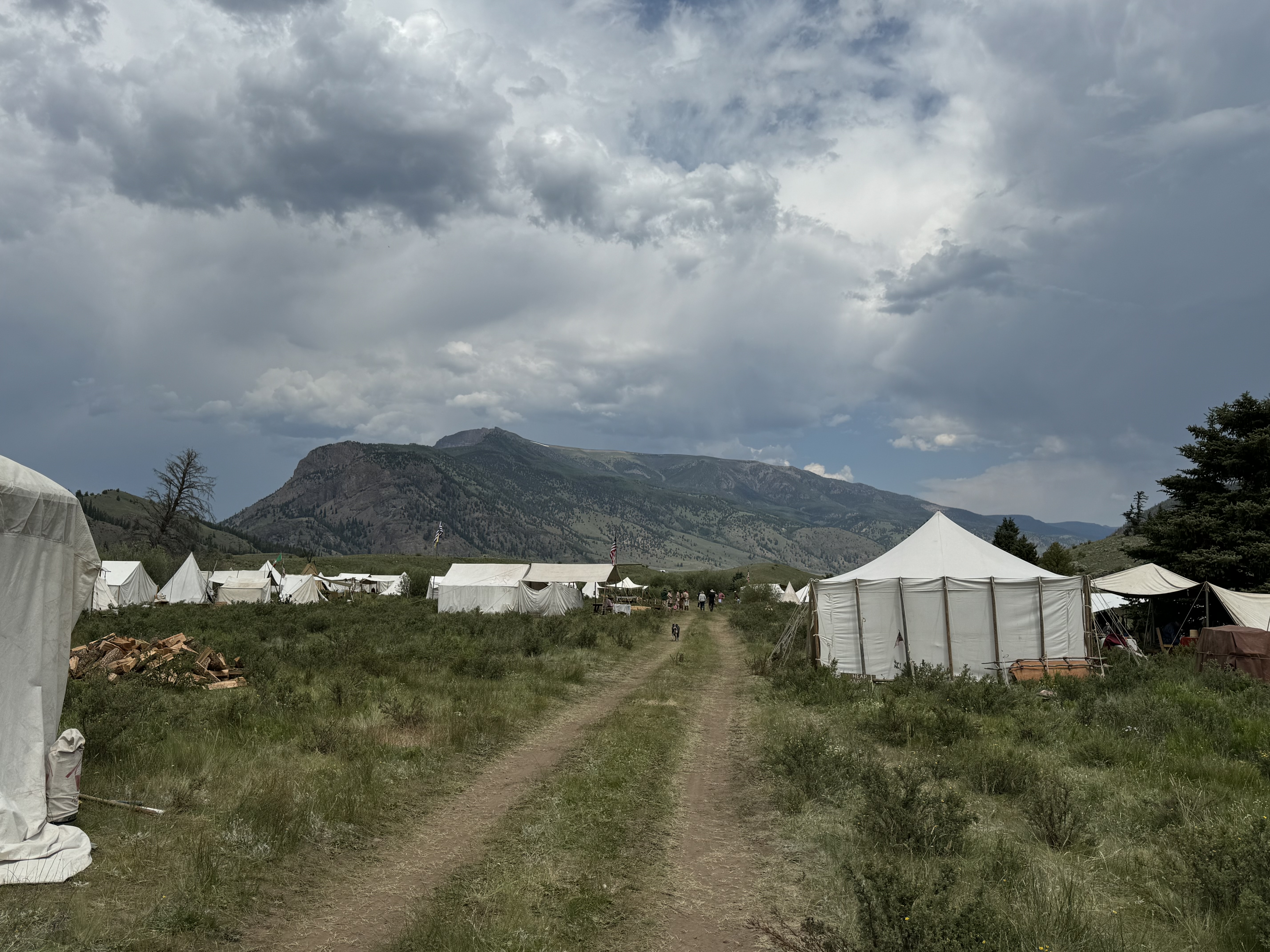
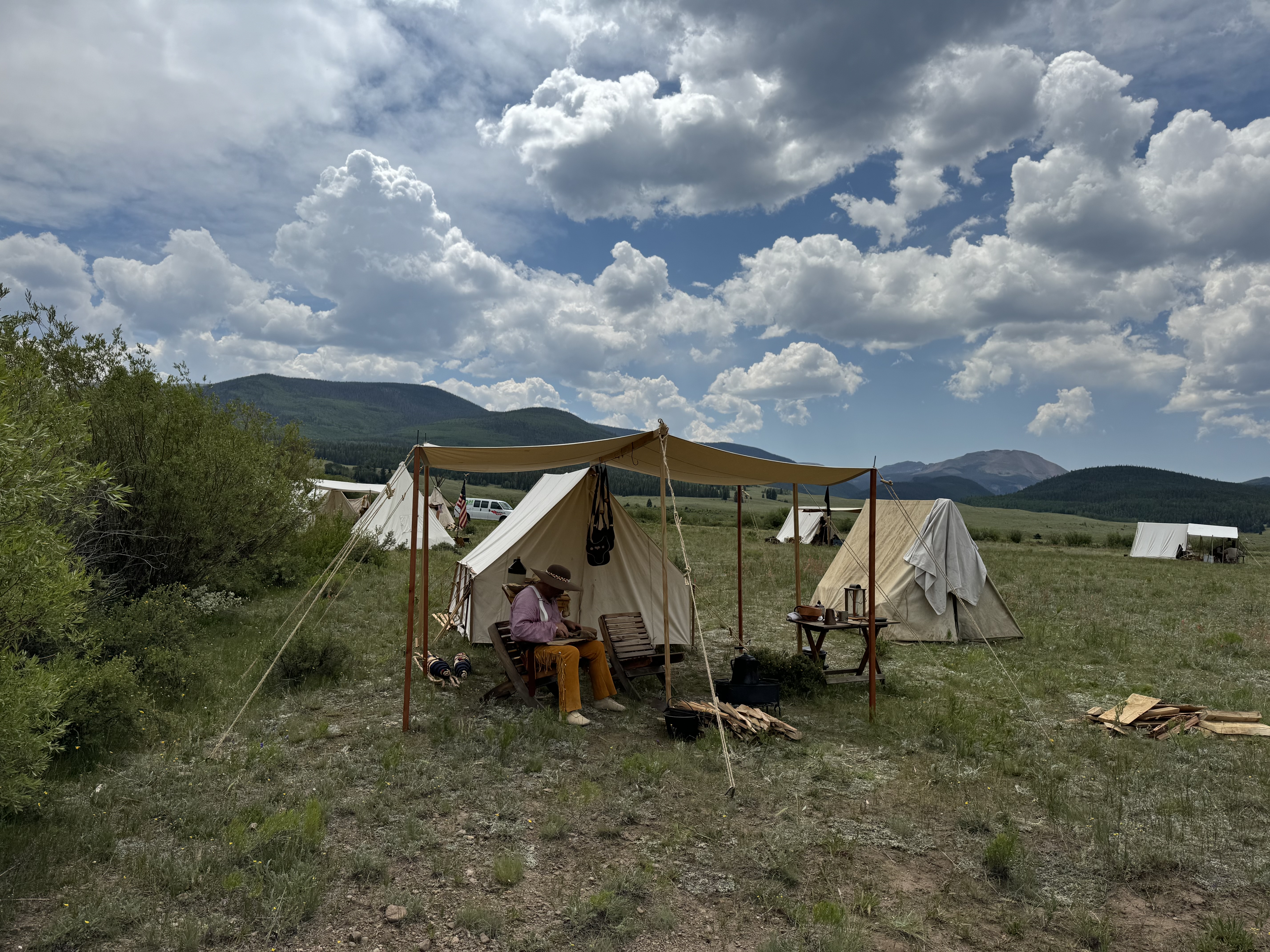
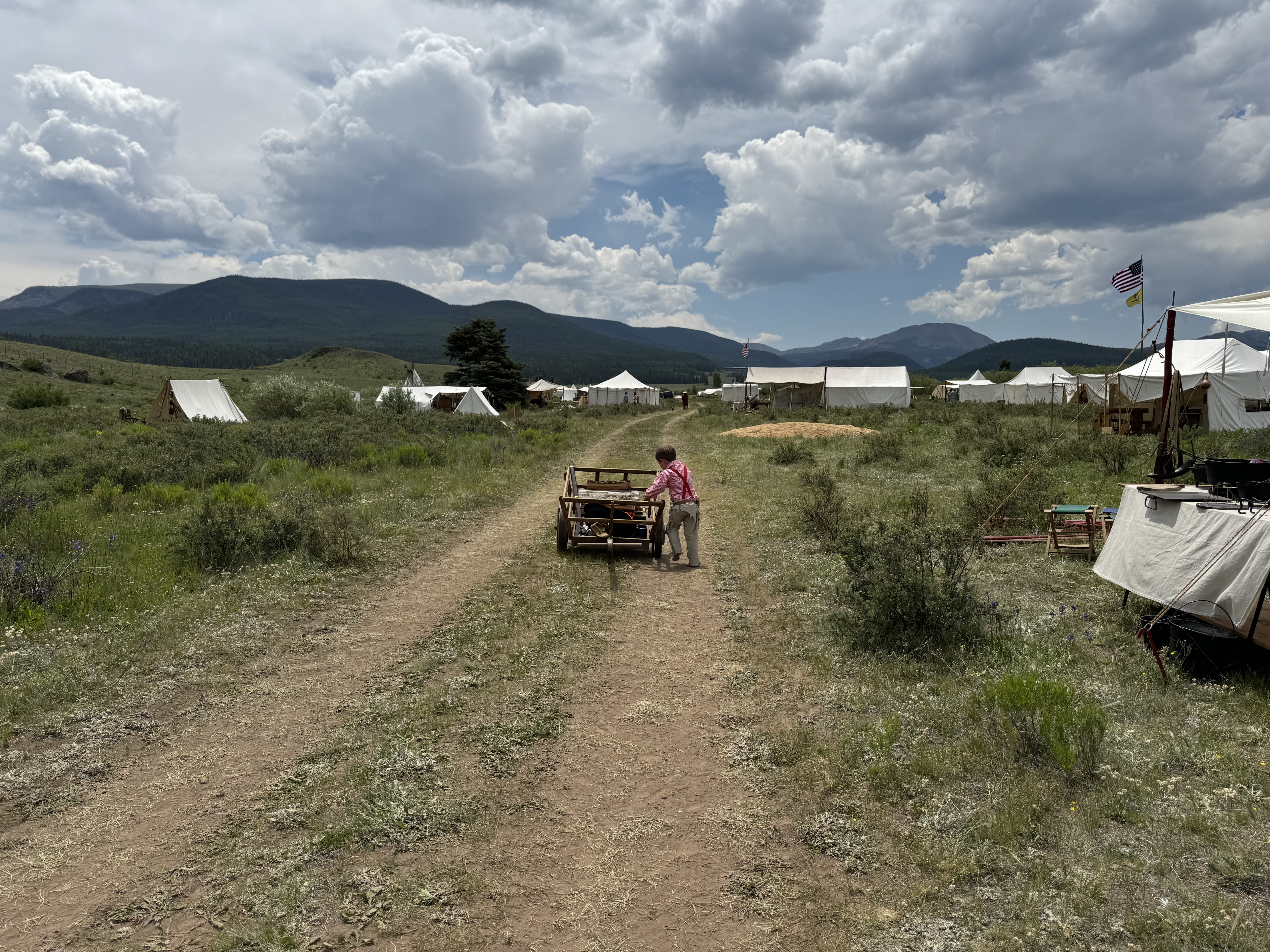
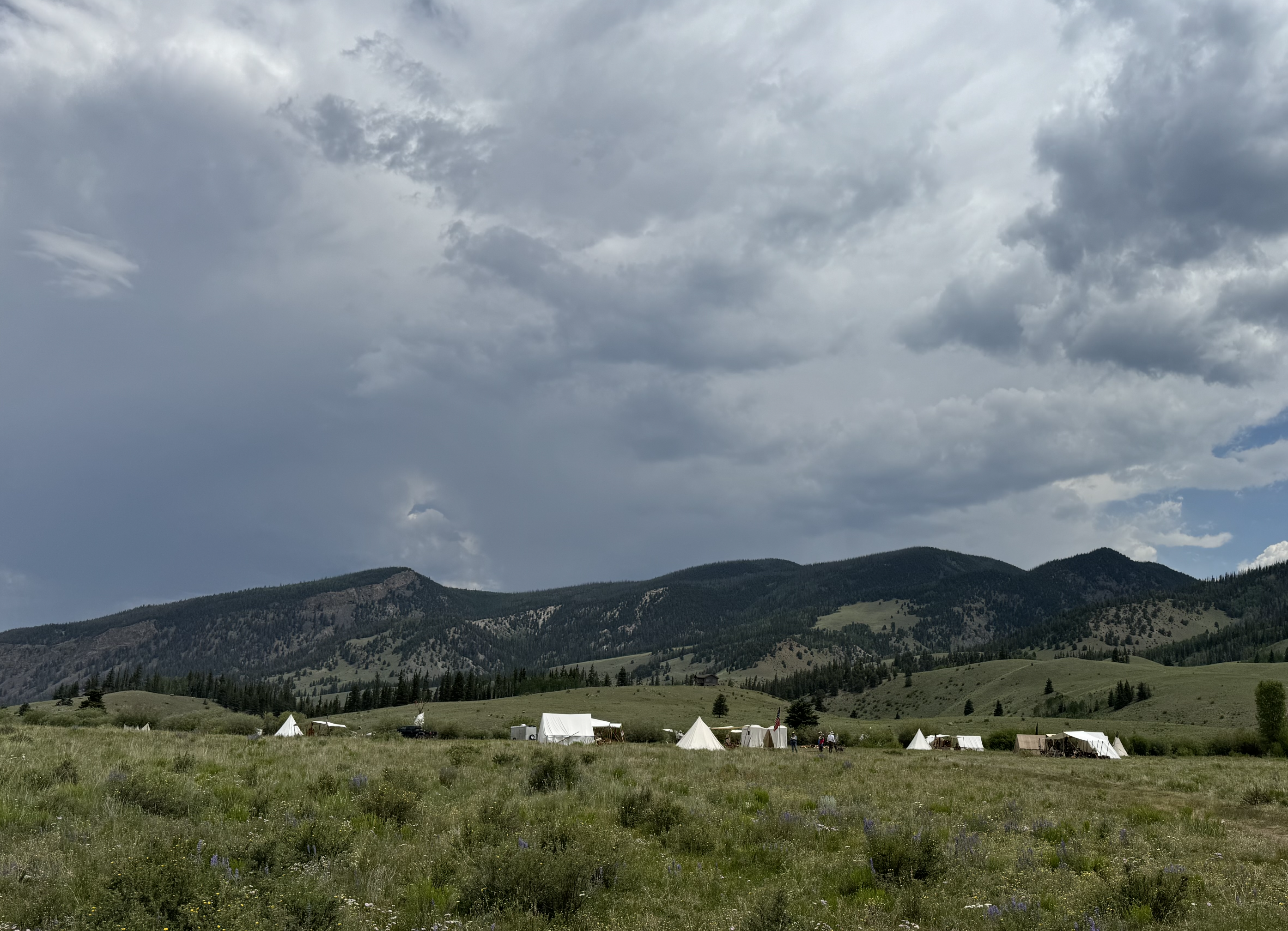
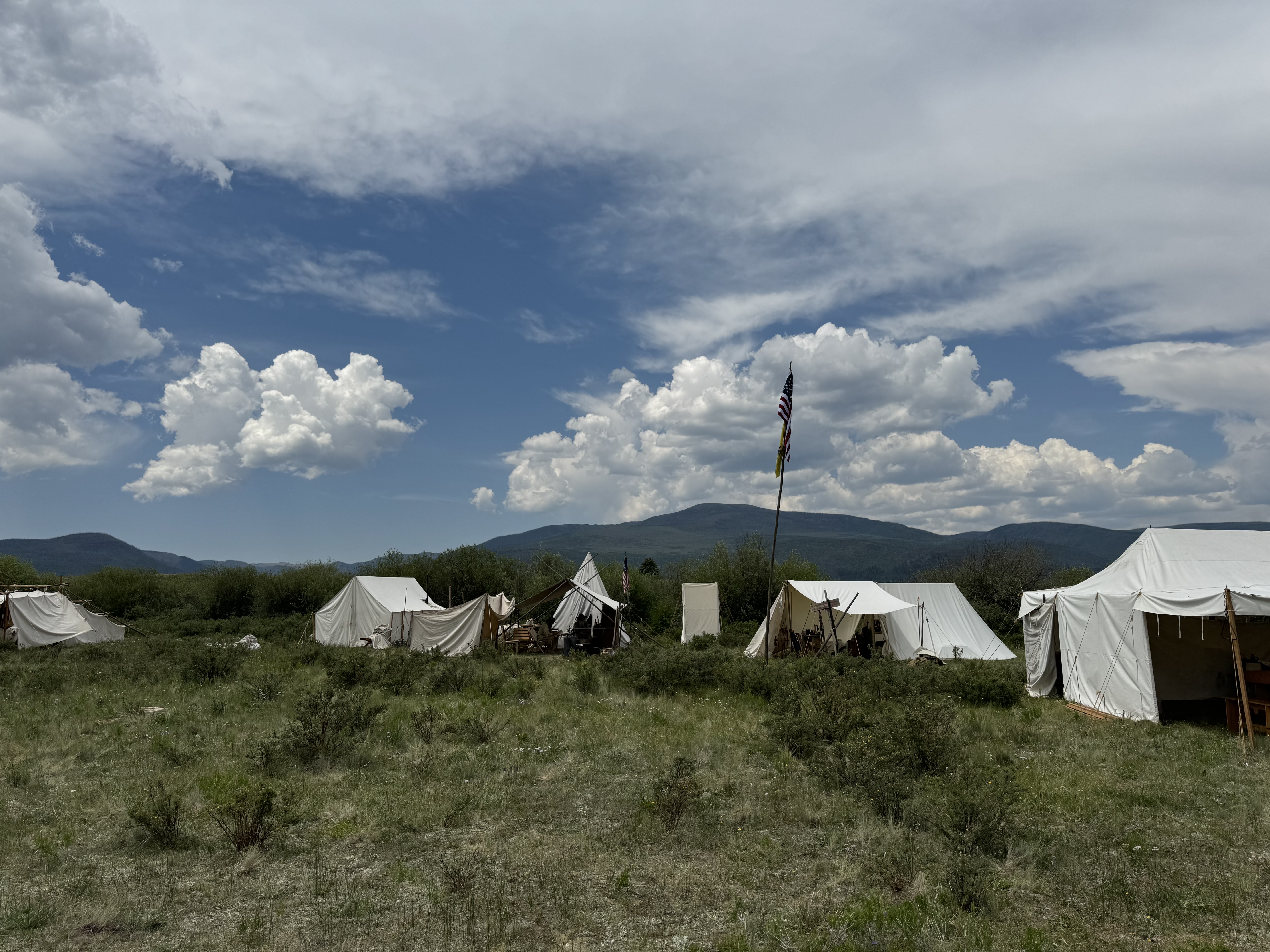
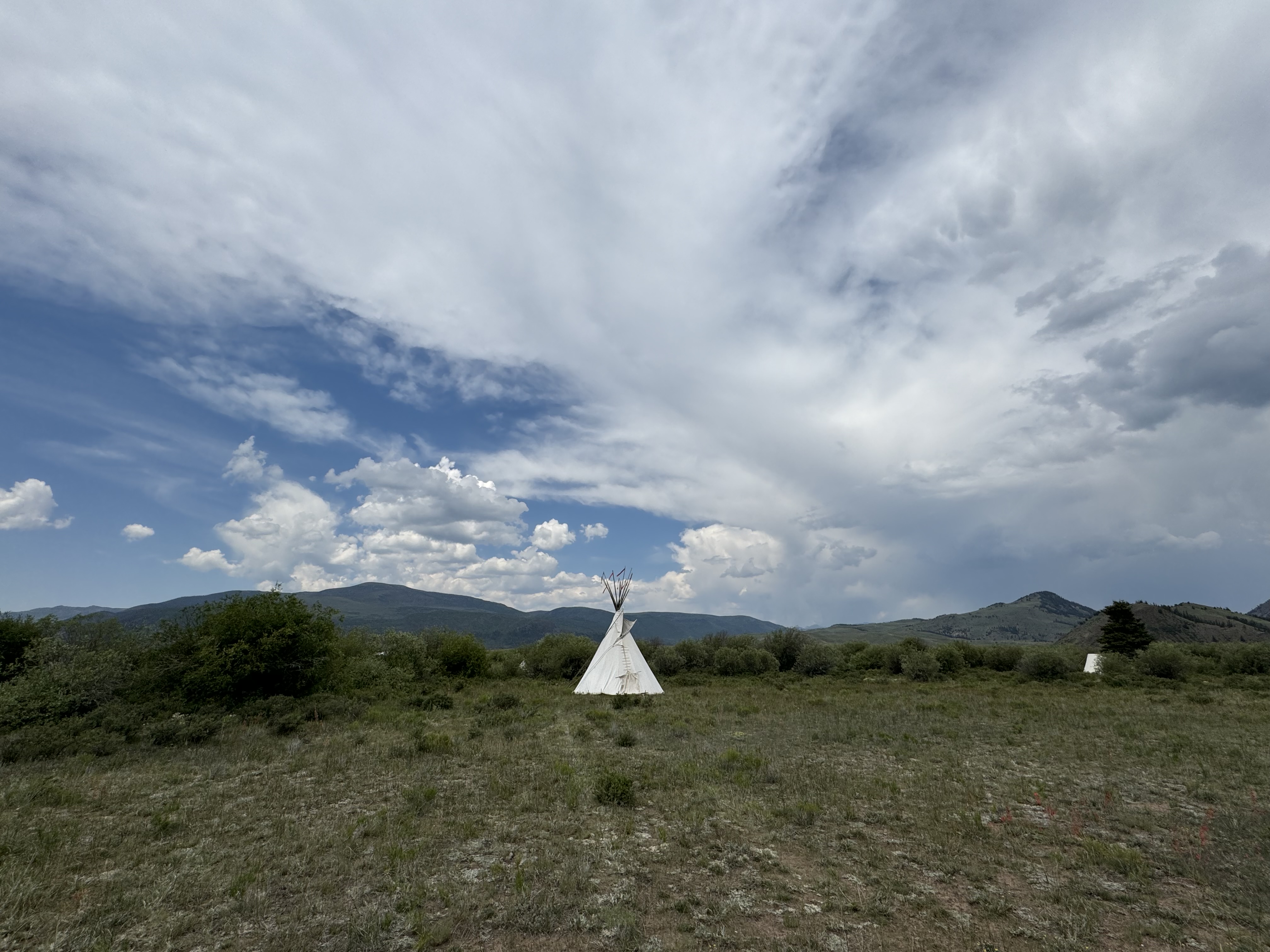
I wasn’t exactly sure what to expect pulling into the new meet site at Soward Ranch. They do these in our area every year, but I’ve never been able to attend, so I figured I’d drive down the road to check it out. I stopped to register and walked over the hill, and saw groups of canvas tents and teepees which seemed completely at home here in the mountains.
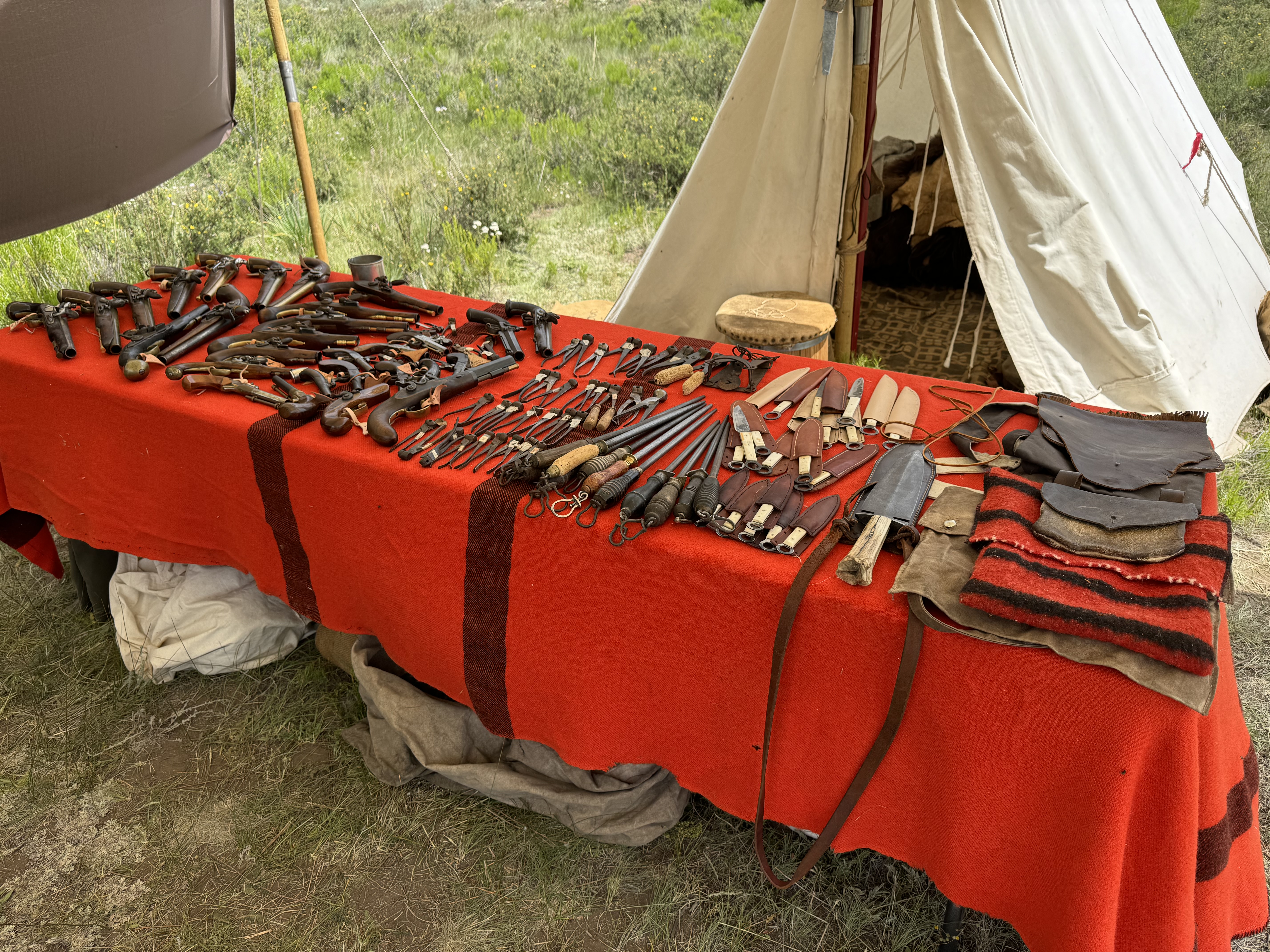
People were still setting up their camps, but it’s amazing how friendly everyone is, everyone is willing to talk and tell you their story and where they’re from, talk about their camps and attire, and how they got involved in the rendezvous. Vendors are starting to set up as well, selling their period correct wares and expanding the history and work that goes into their handmade goods, knives, and black powder firearms.
I think I’m going to have to round up the proper gear for the next one so I can see all of the events, watch the black powder shooting, knife and tomahawk throwing competitions, and more. I hear the real fun starts at dark with drinking, music, and tall tales told around the campfires!
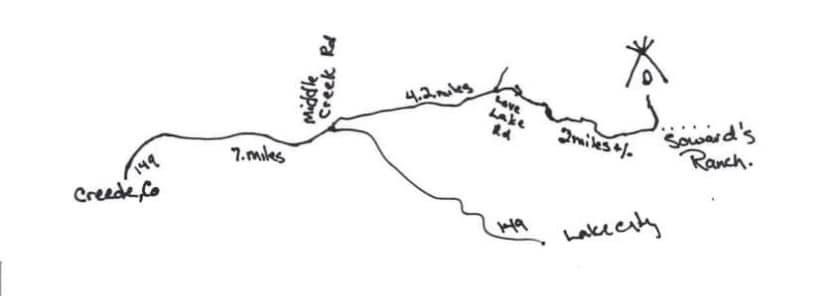
A map to the Rendezvous from Creede, CO
A little history about the RMNR from their website:
“In the early 1800s, trade in furs flourished in the American west, based mostly on beaver pelts, used to make the tall, shiny hats of well-to-do eastern gentlemen. At first, the trappers themselves transported these furs from the Rocky Mountains all the way backNational rendezvous mountain man, black powder, trappers and traders camp. to St. Louis, Missouri, where the furs were sold or traded for supplies and equipment needed for the coming year.
In 1825, the traders figured out there was a lot of money to be made by transporting trade goods to the mountains and trading there for the furs. The trappers, whom we call Mountaineers or Mountain Men, were quite agreeable to this, since many of them preferred life in the wilderness and didn’t much care for the long trip back east.
These annual summer gatherings were called rendezvous, and were held at a designated spot known to both trappers and traders. While these rendezvous were intended as a business arrangement, they soon became the trapper’s Christmas, New Years Eve and birthday party; a general-purpose annual blowout and trade fair. These rendezvous came to an end about 1840, due in large part to the depleted beaver population in the Rocky Mountains and the changing fashion in hats. The Rocky Mountain National Rendezvous (RMNR) is an annual celebration of life on the pre-1840 American Western frontier. It is part re-creation and part living history, based on the fur-trade rendezvous held in the Rocky Mountains.”
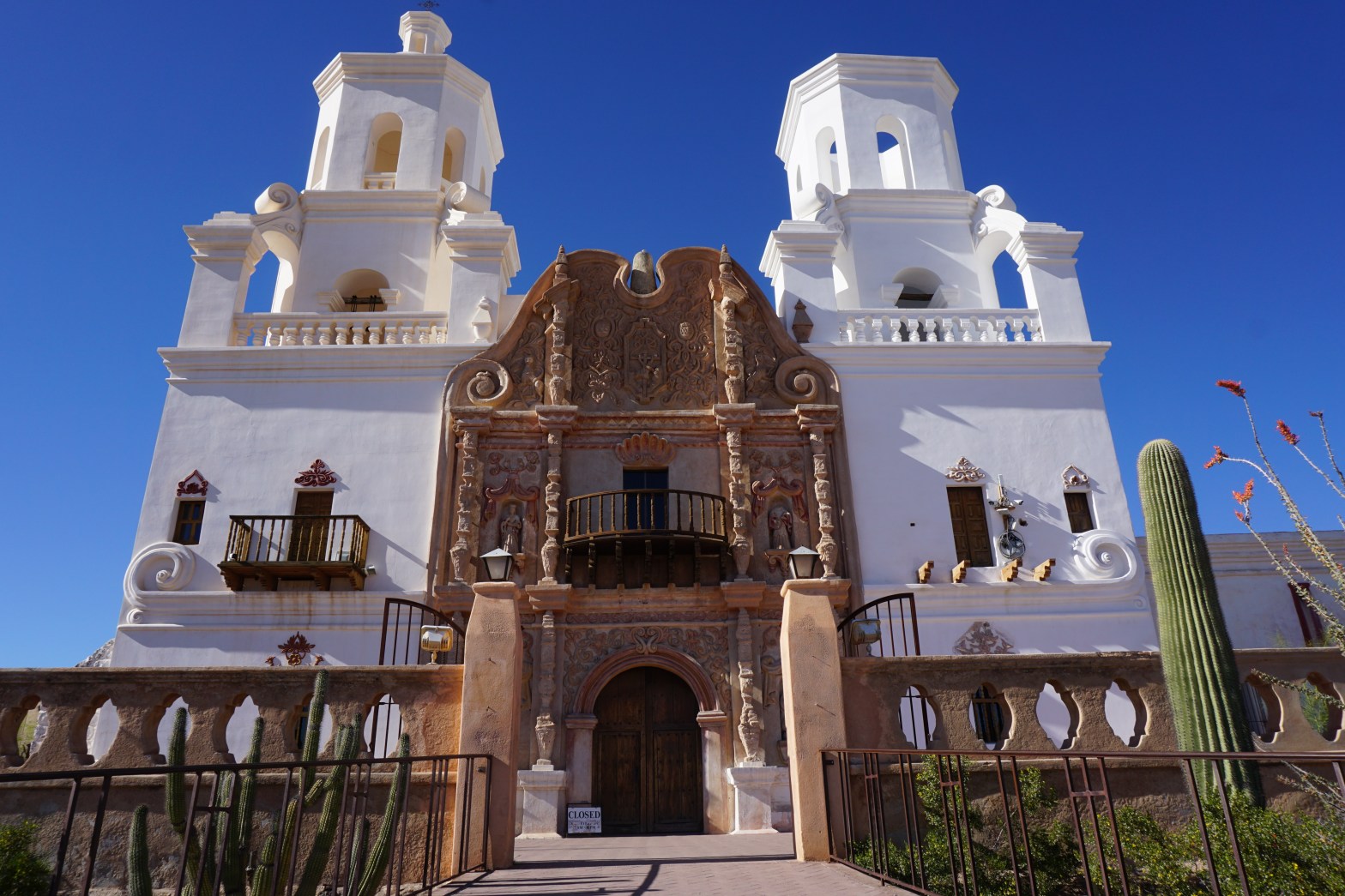
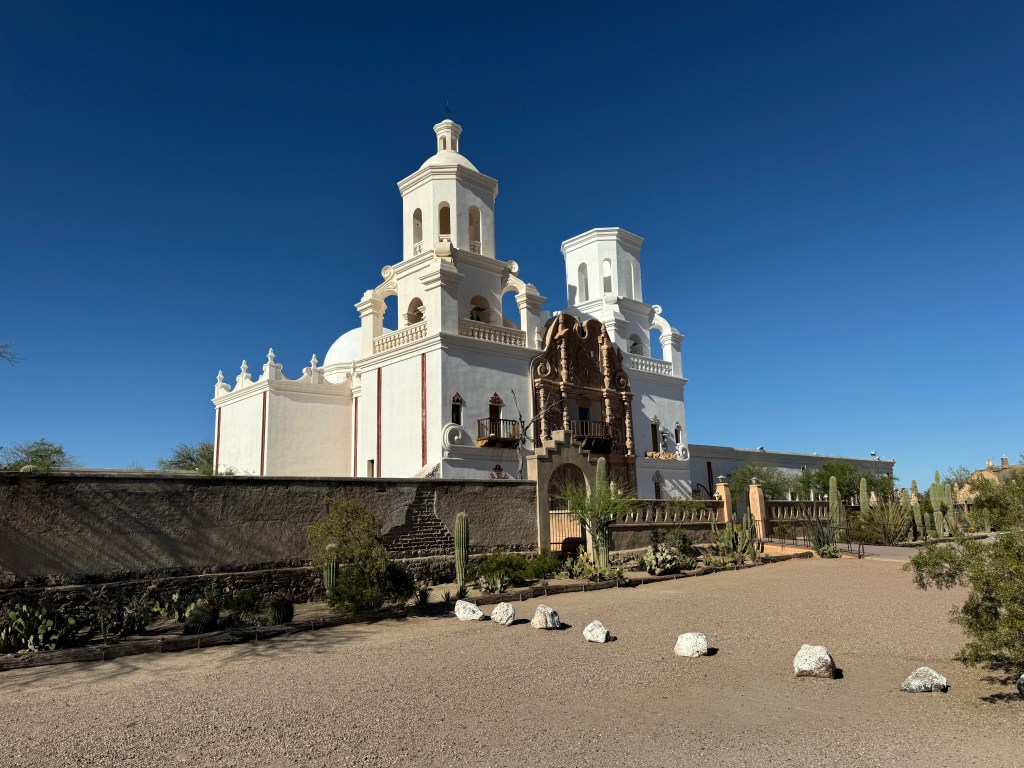
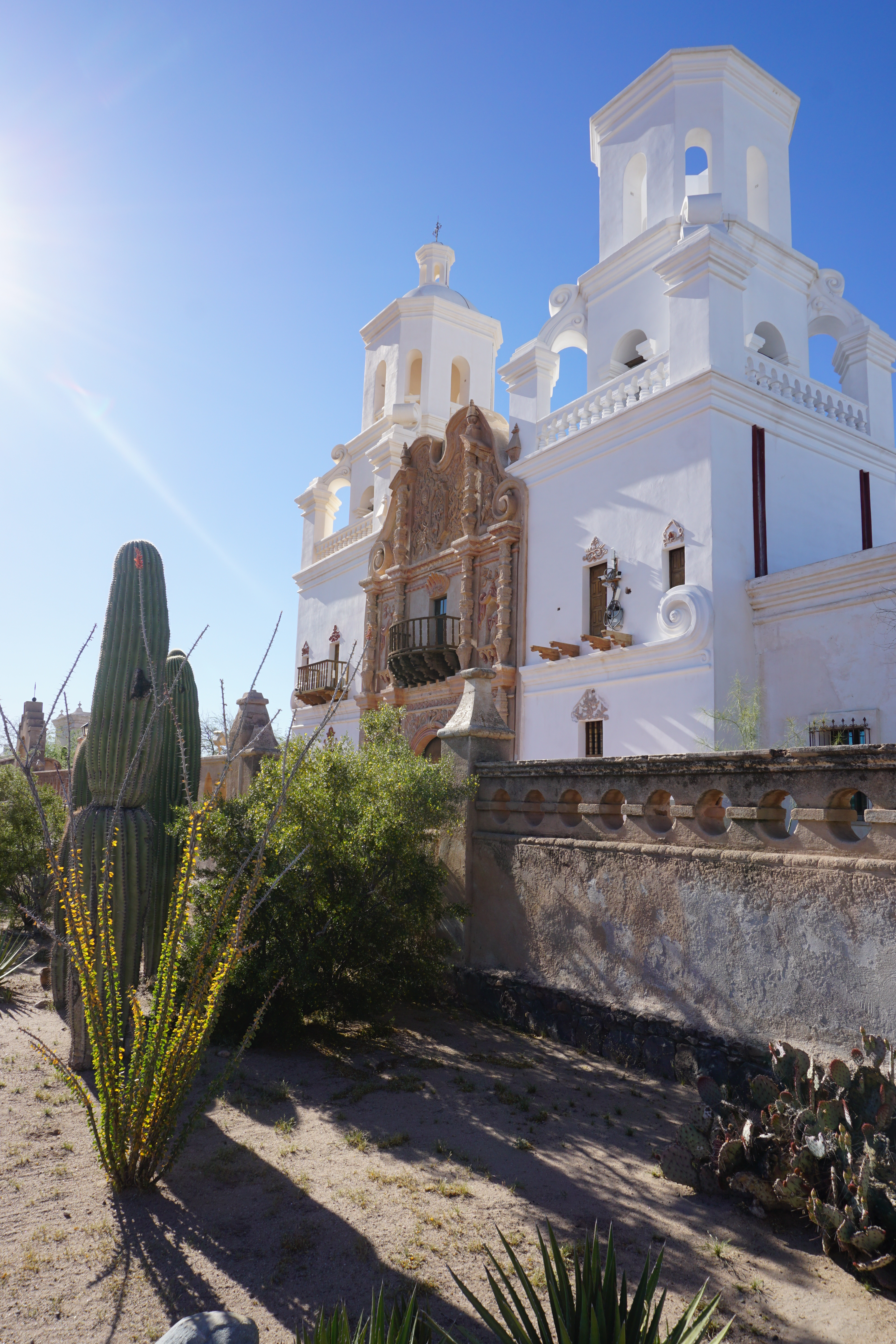
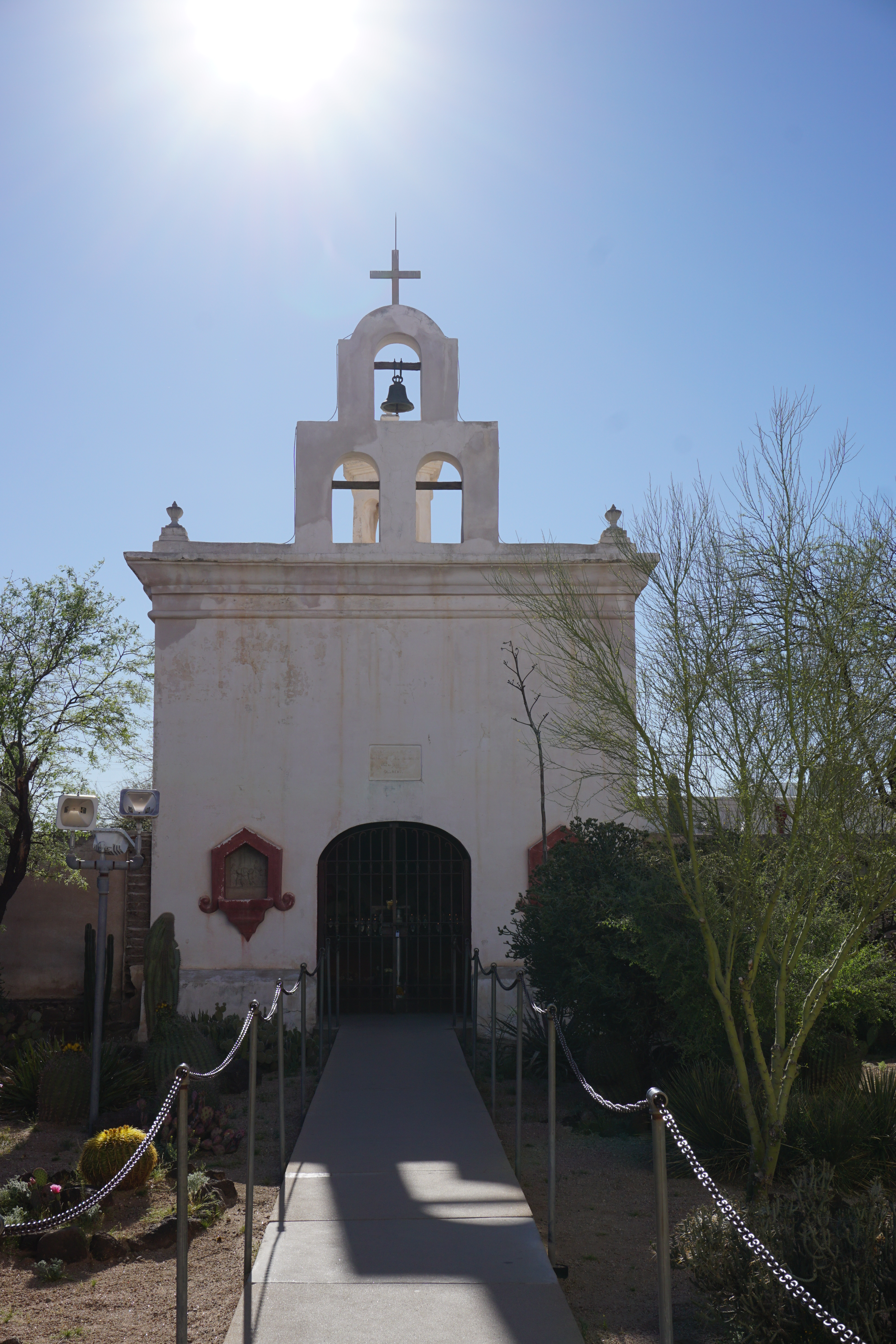
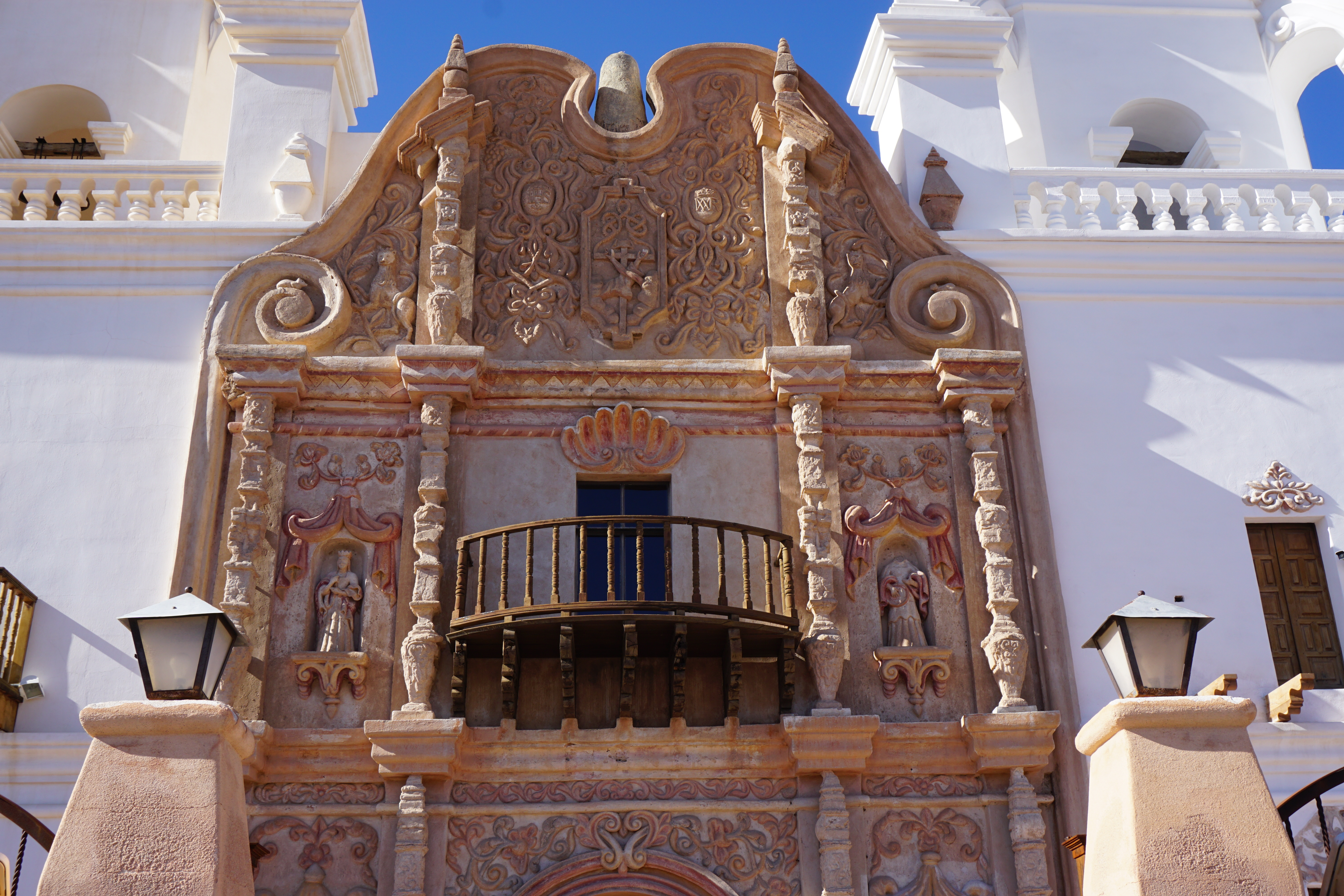
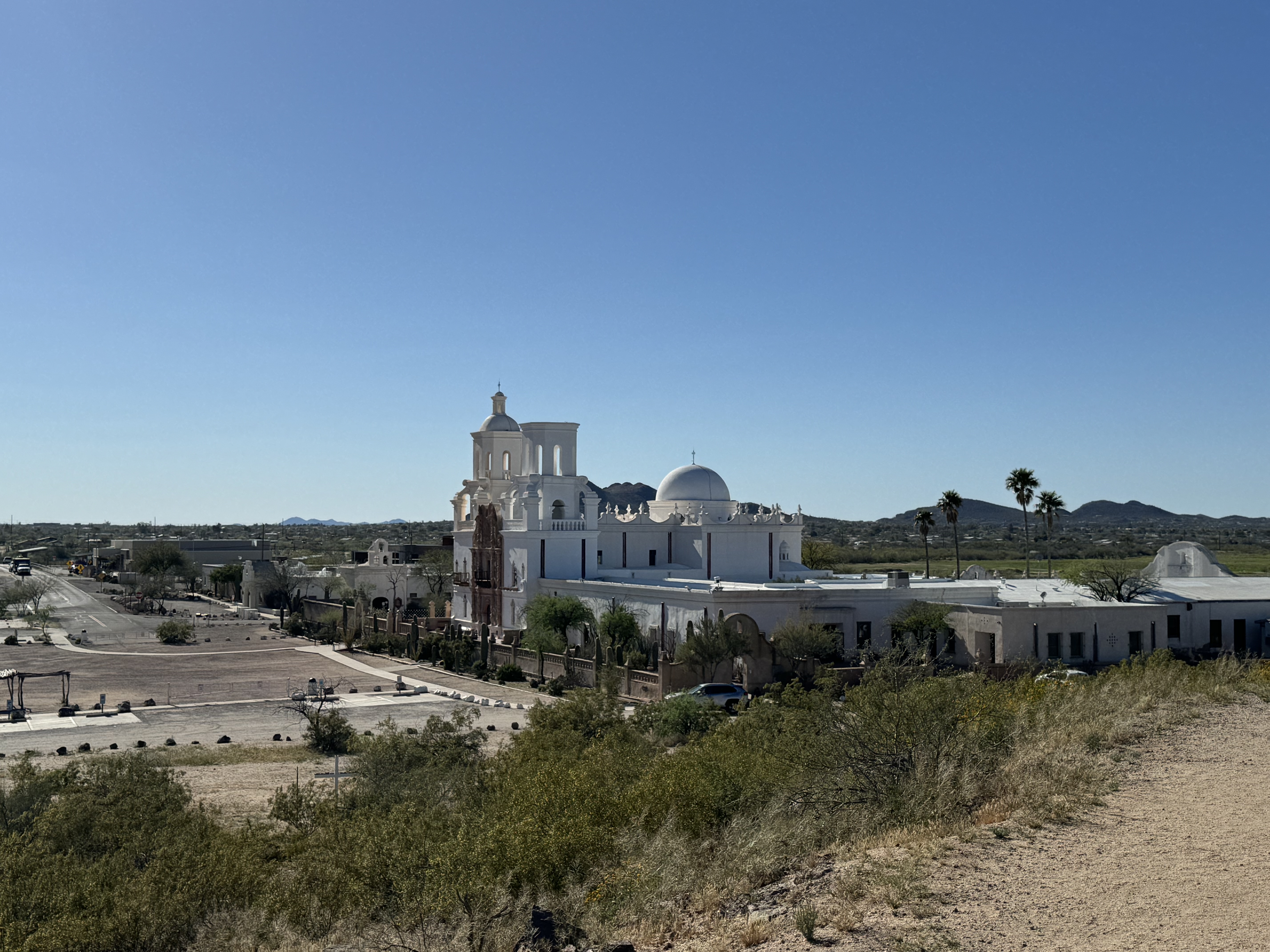
While visiting Tucson we rode our motorcycles out to take a look at San Xavier del Bac Mission which is considered one of the finest examples of mission architecture in the USA, located southwest of Tucson, Arizona on the Tohono O’odham Reservation.
It is a striking building, dubbed the “white dove in the desert” . We could see it from a few miles away, and I can understand the nickname. We arrived and walked around the grounds and shot some photos, unfortunately tours were not available that day of the week so we were not able to go inside, but there are virtual tours available online!
Founded in 1692 this mission has a long history, with construction of the current church started in 1783, and restoration of the mission started as early as 1905 and continues to this day.
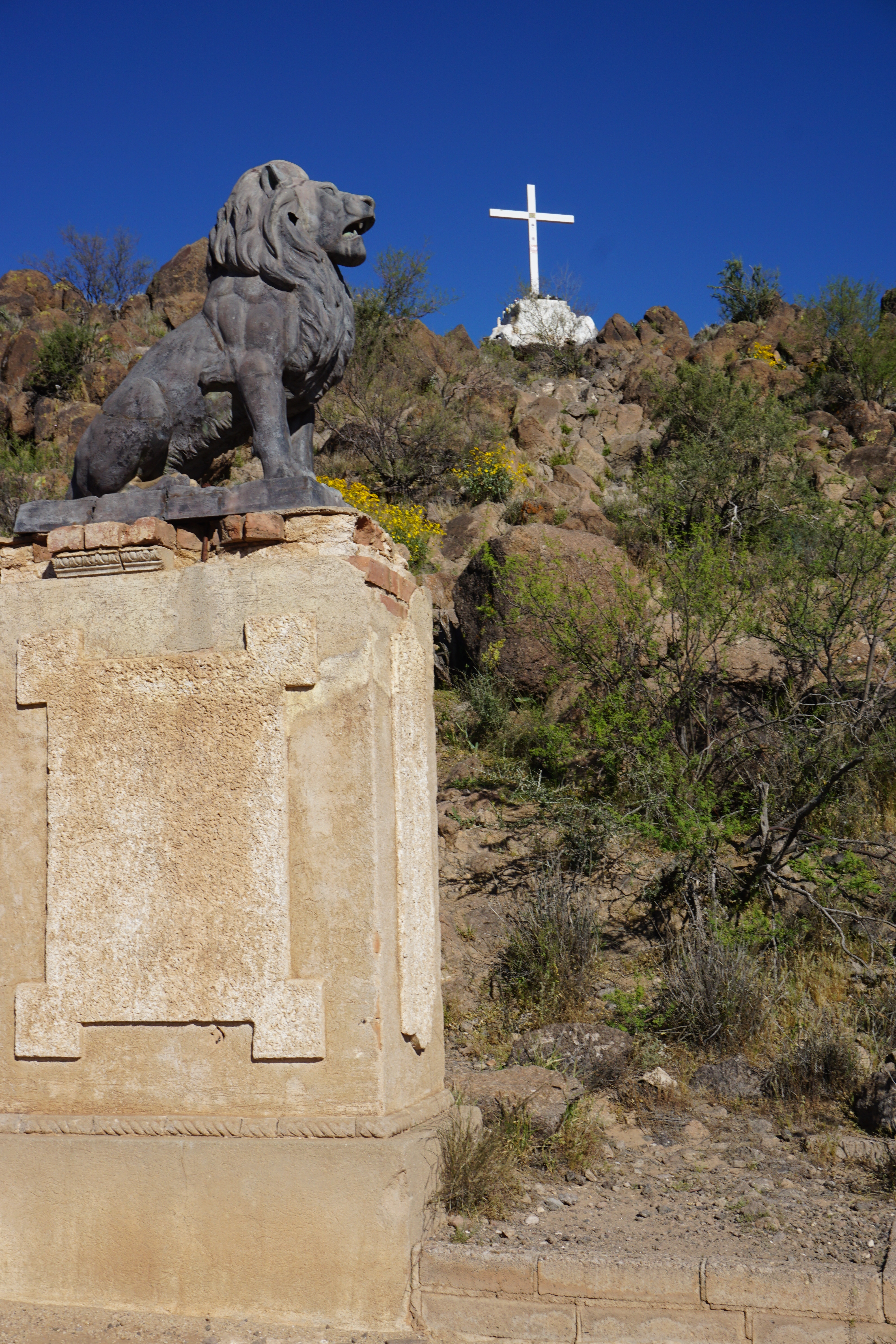
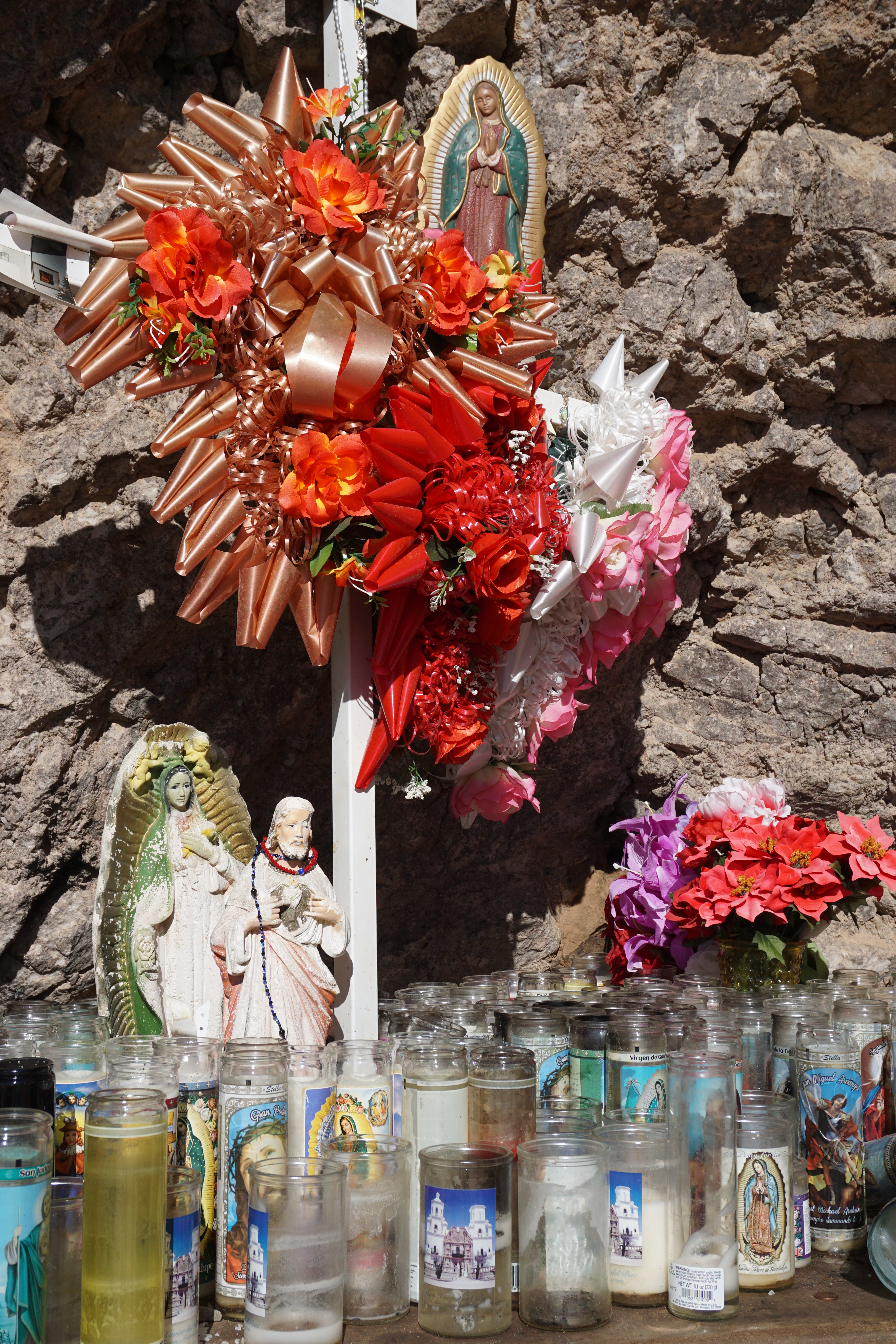
Make sure to check the website out if you are interested in the tour, and be sure to walk over to the hill East of the mission. The path around the hill gives you a 360 degree view of the four surrounding mountains: the Santa Catalina, the Rincon, the Santa Rita and the Tucson mountains as well as a birds eye view of San Xavier del Bac Mission. There is also a replica of the Grotto of Lourdes, an irregularly shaped shallow cave or grotto built in 1908 to honor the Virgin Mary.
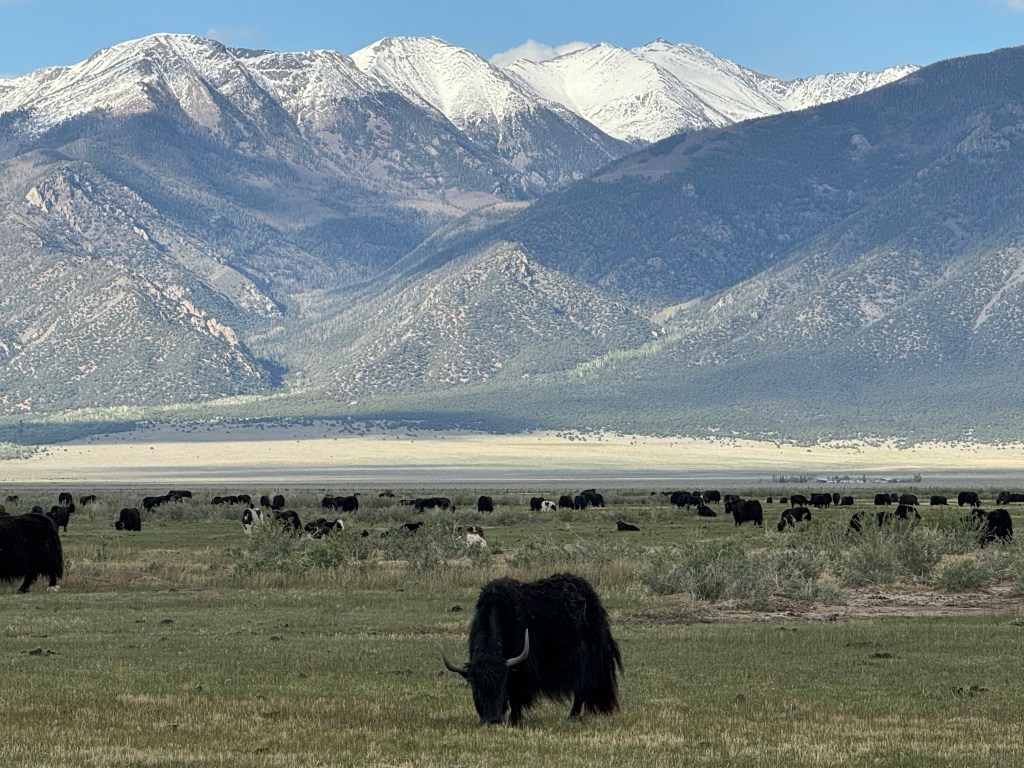
Yaks in front of the Danger De Cristo Mountains in Crestone CO.
I was driving from Denver to Creede and decided to split up my drive home to visit a town that has been on my radar Crestone, CO. Known as the Shambala of the Rockies it has a reputation for its peace and quiet, scenic landscape and is home to several spiritual organizations and retreat centers.
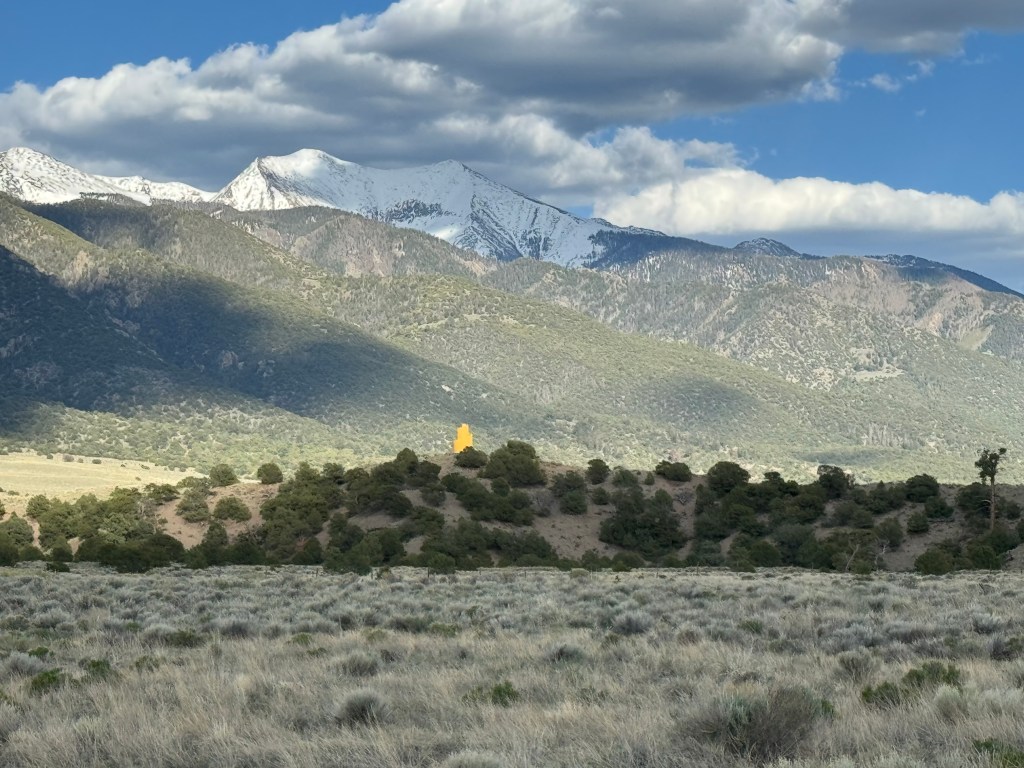
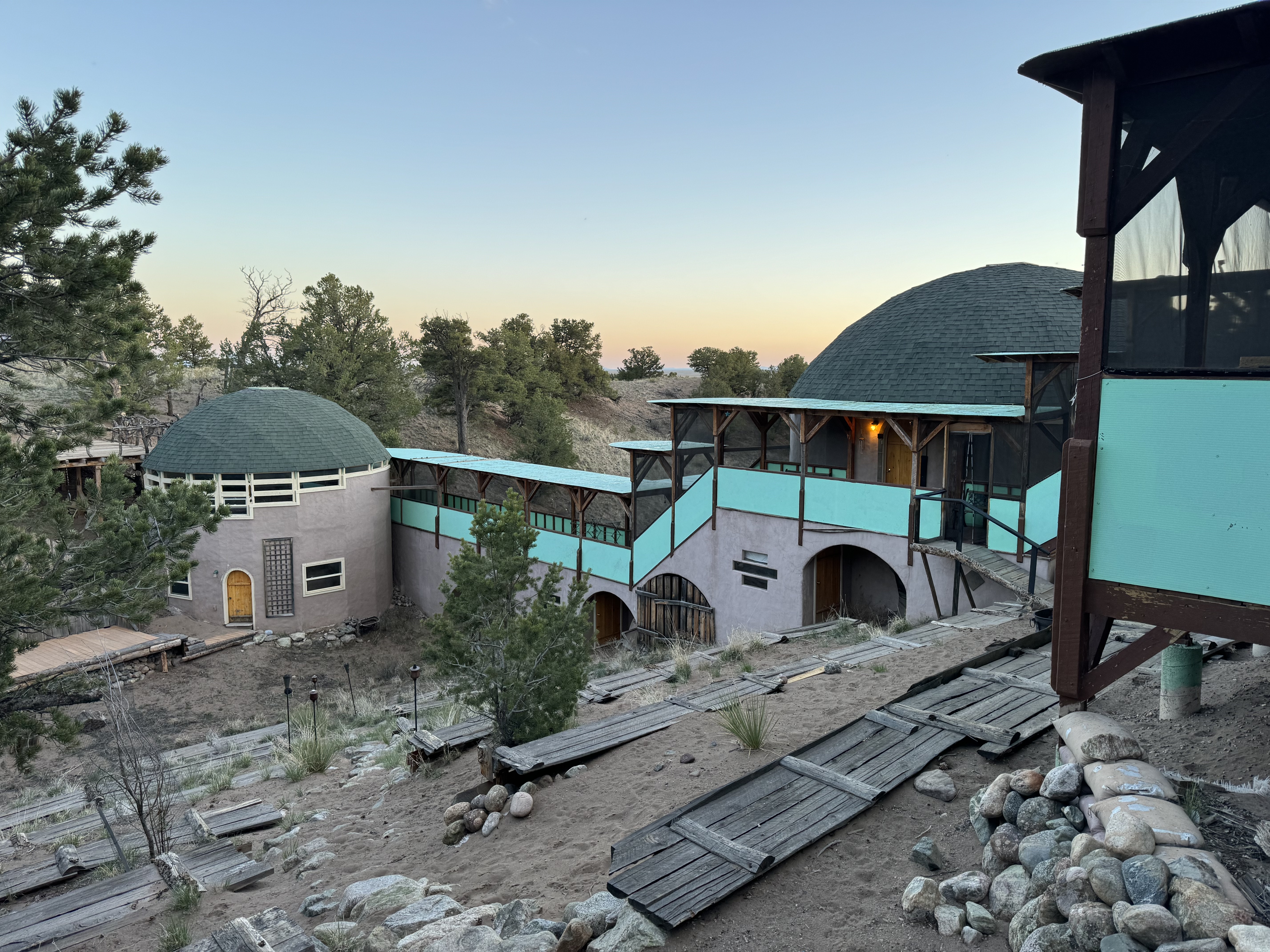
I took the opportunity to stay in an unusual home called The Mothership Dome. It was an interesting property with 3 dome structures with a full stage and tiered seating in between the domes. It was only a 10 minute drive from the Crestone Ziggurat that I was also interested in seeing.
This was just a quick trip to get the lay of the land and I am looking forward to coming back and exploring more that the area has to offer. It’s definitely off the beaten path but worth the effort to get there.
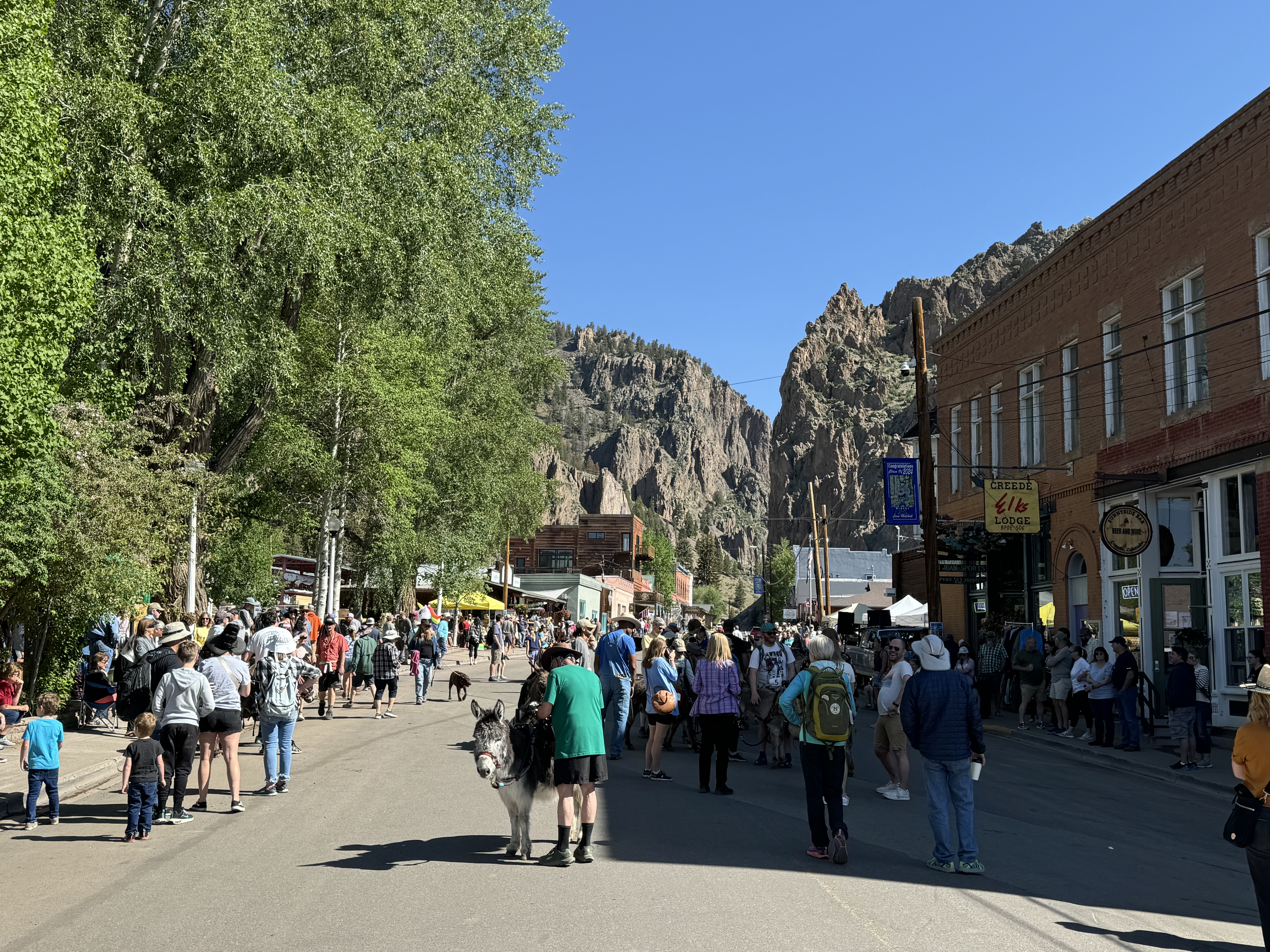
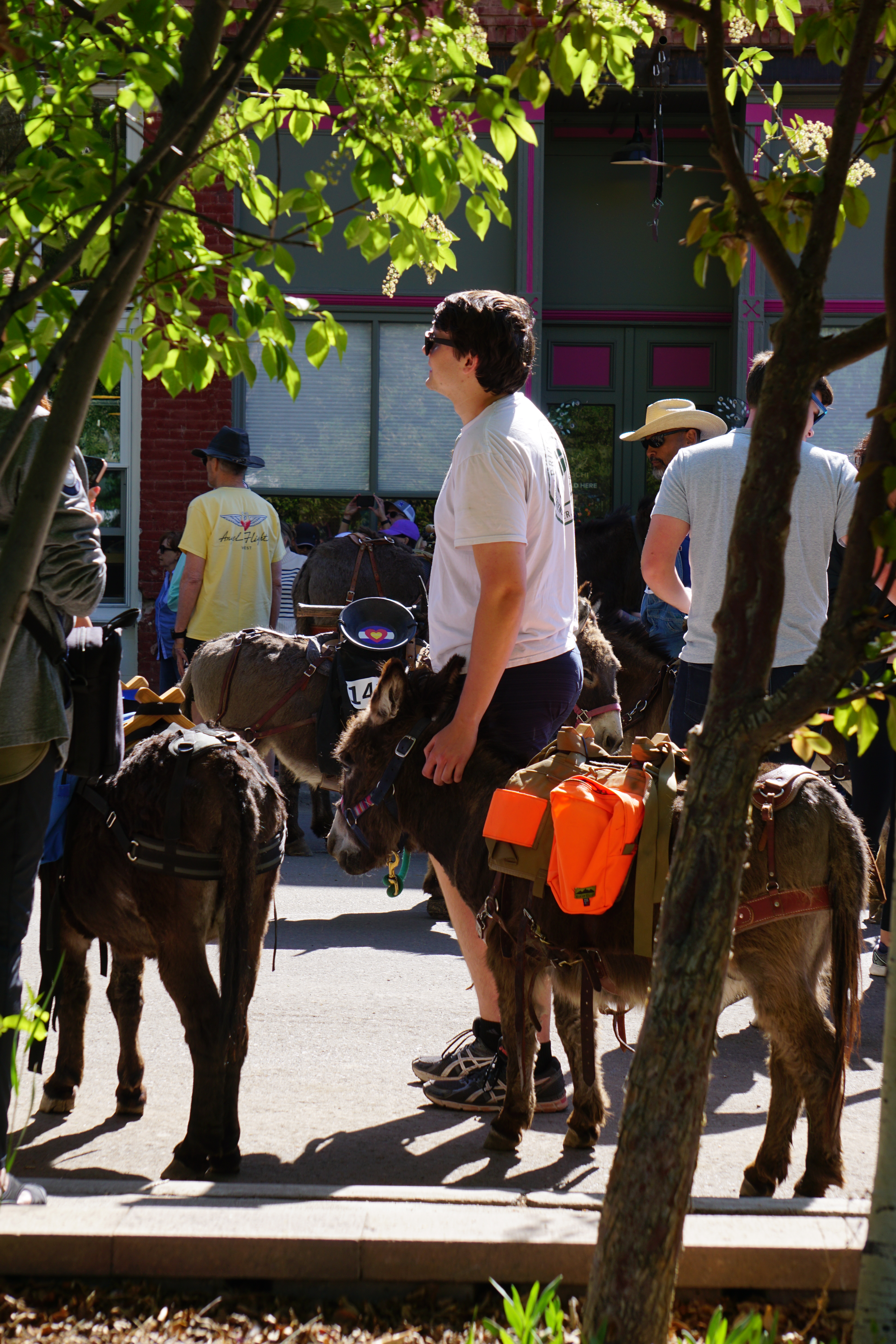
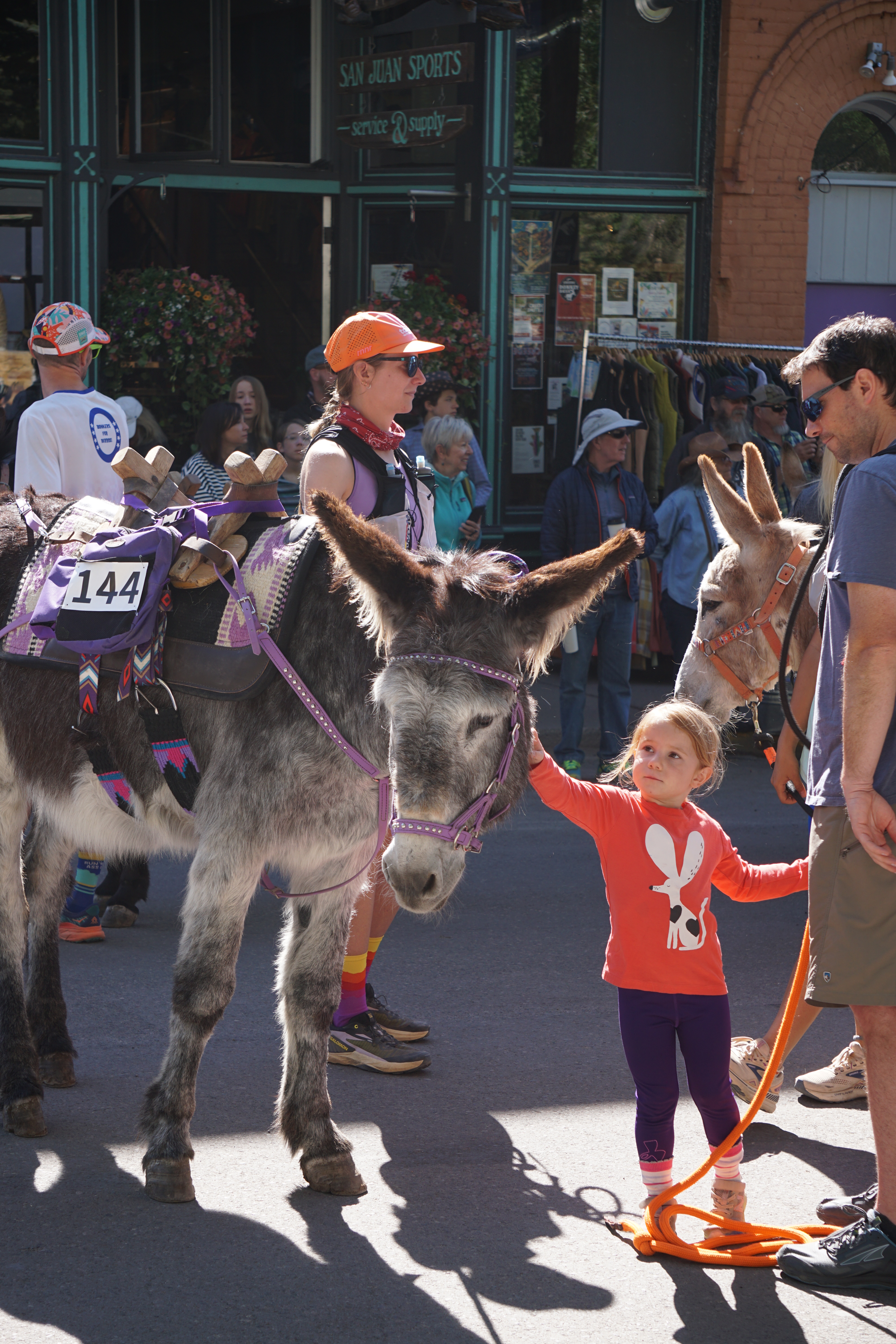
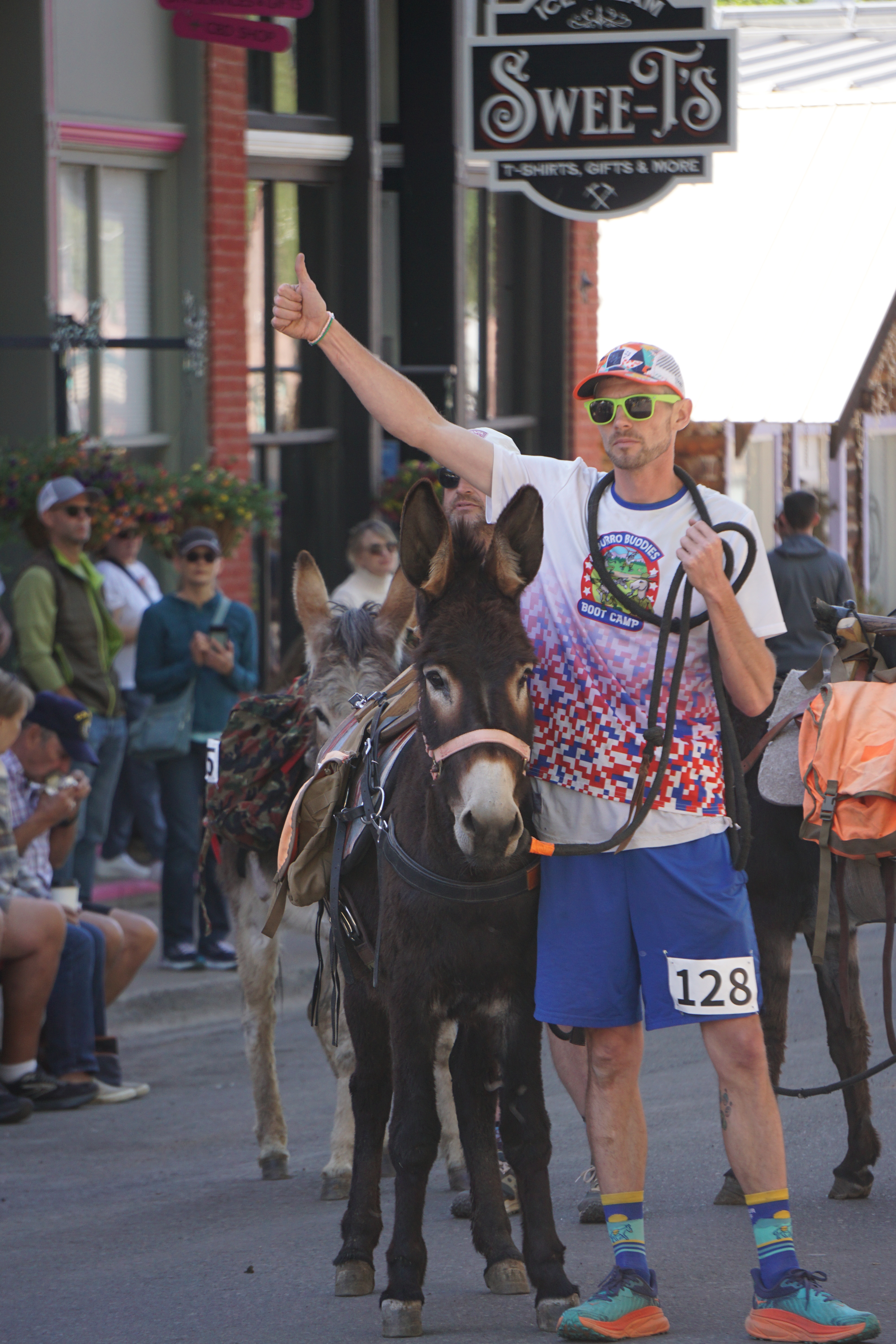
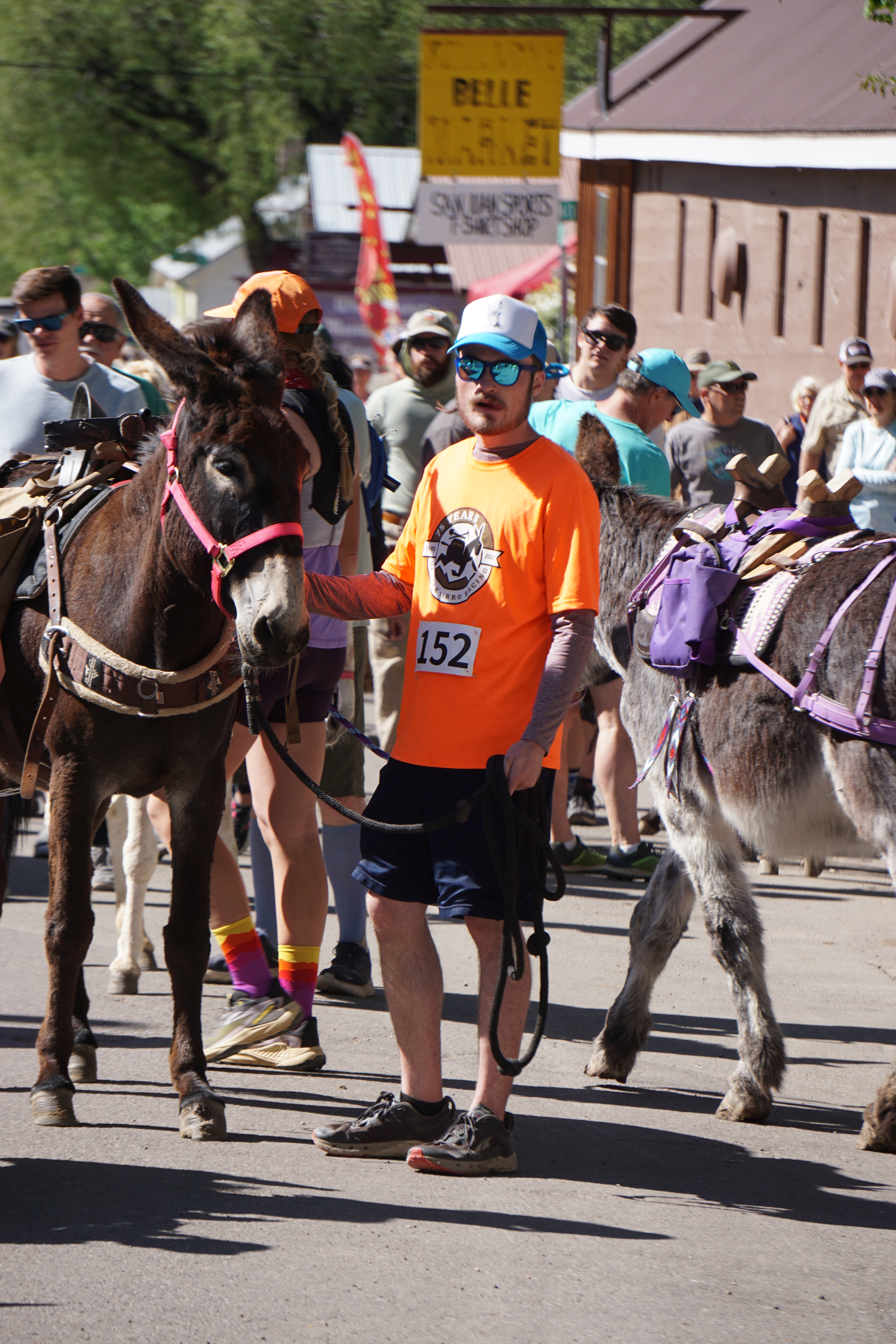
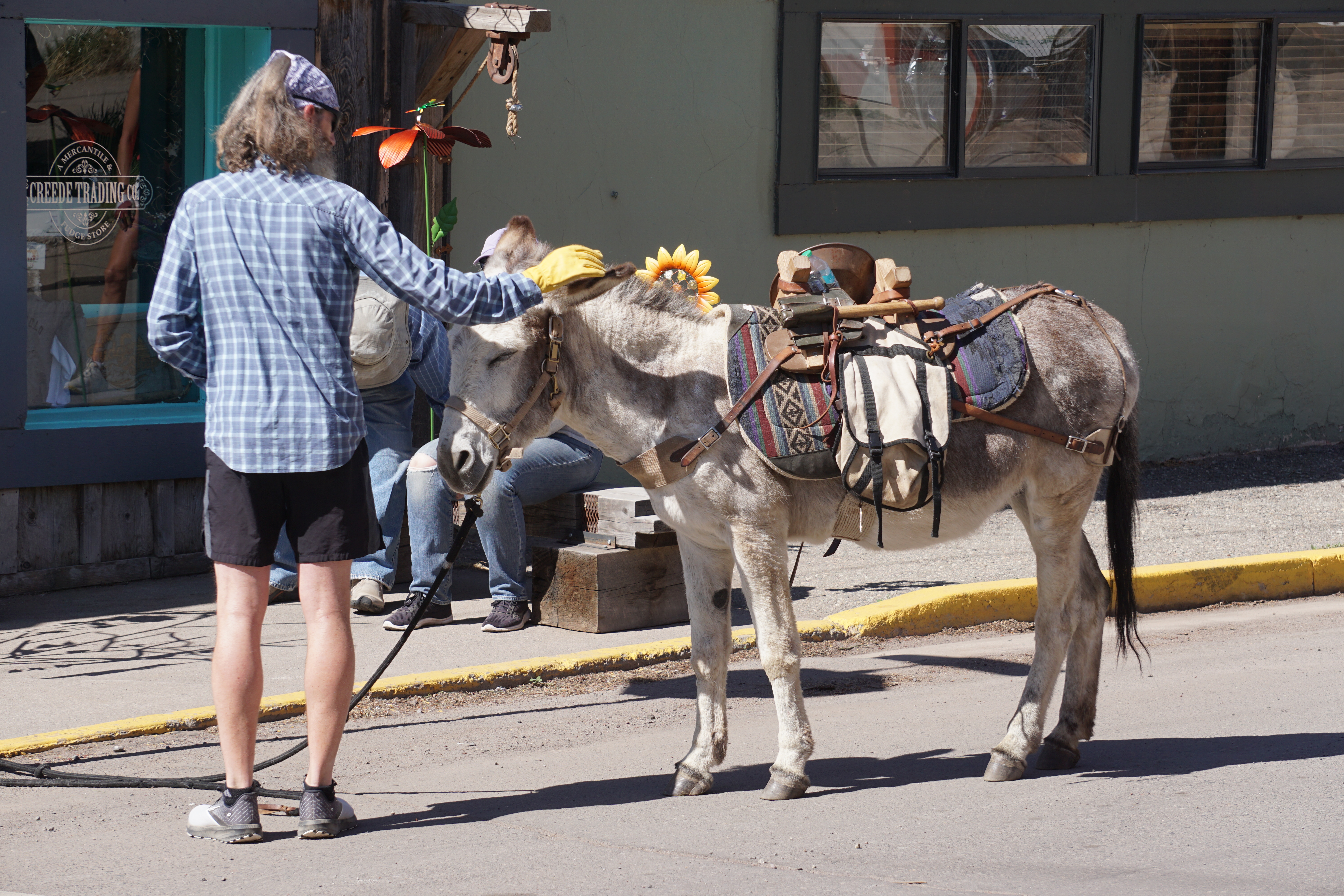
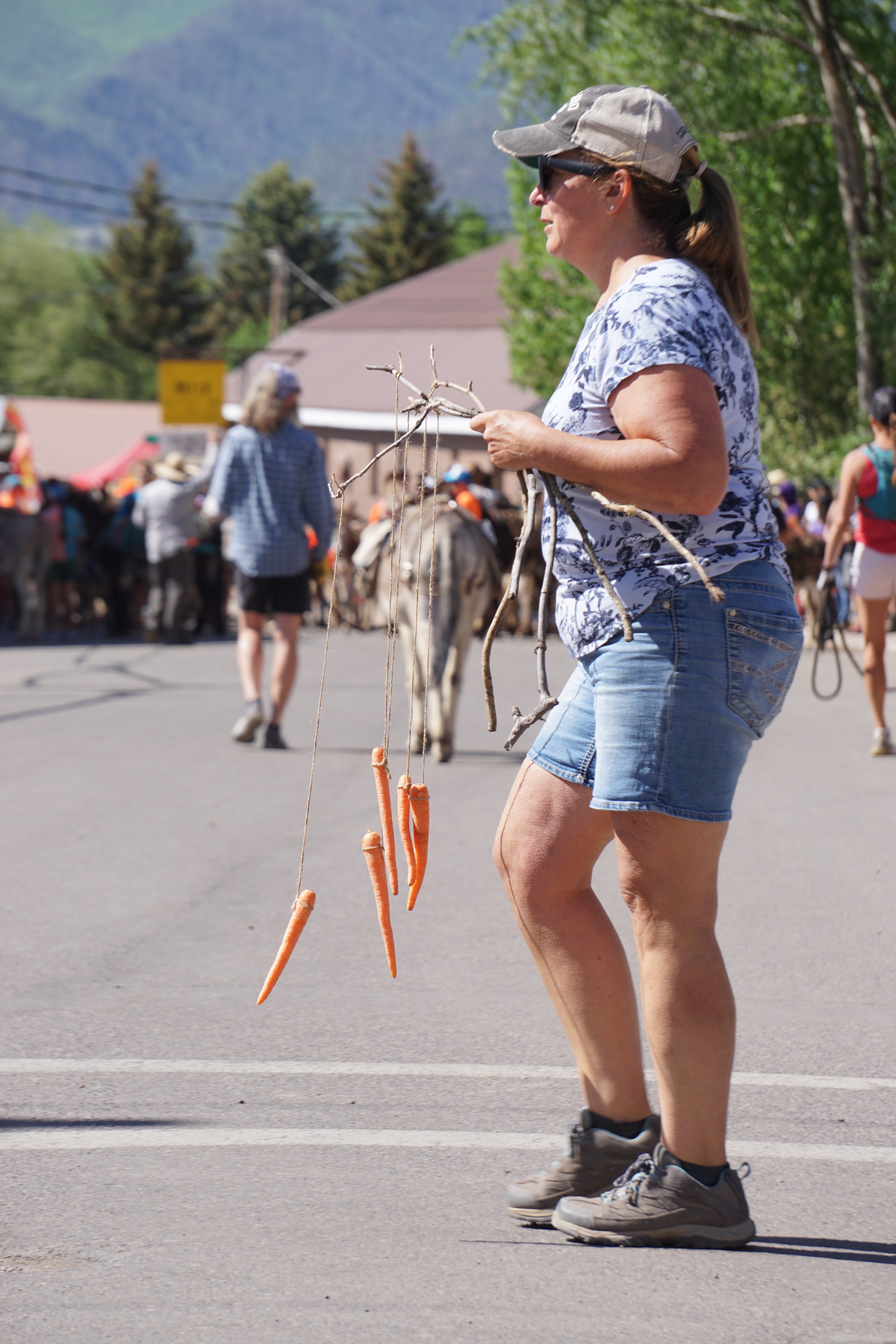
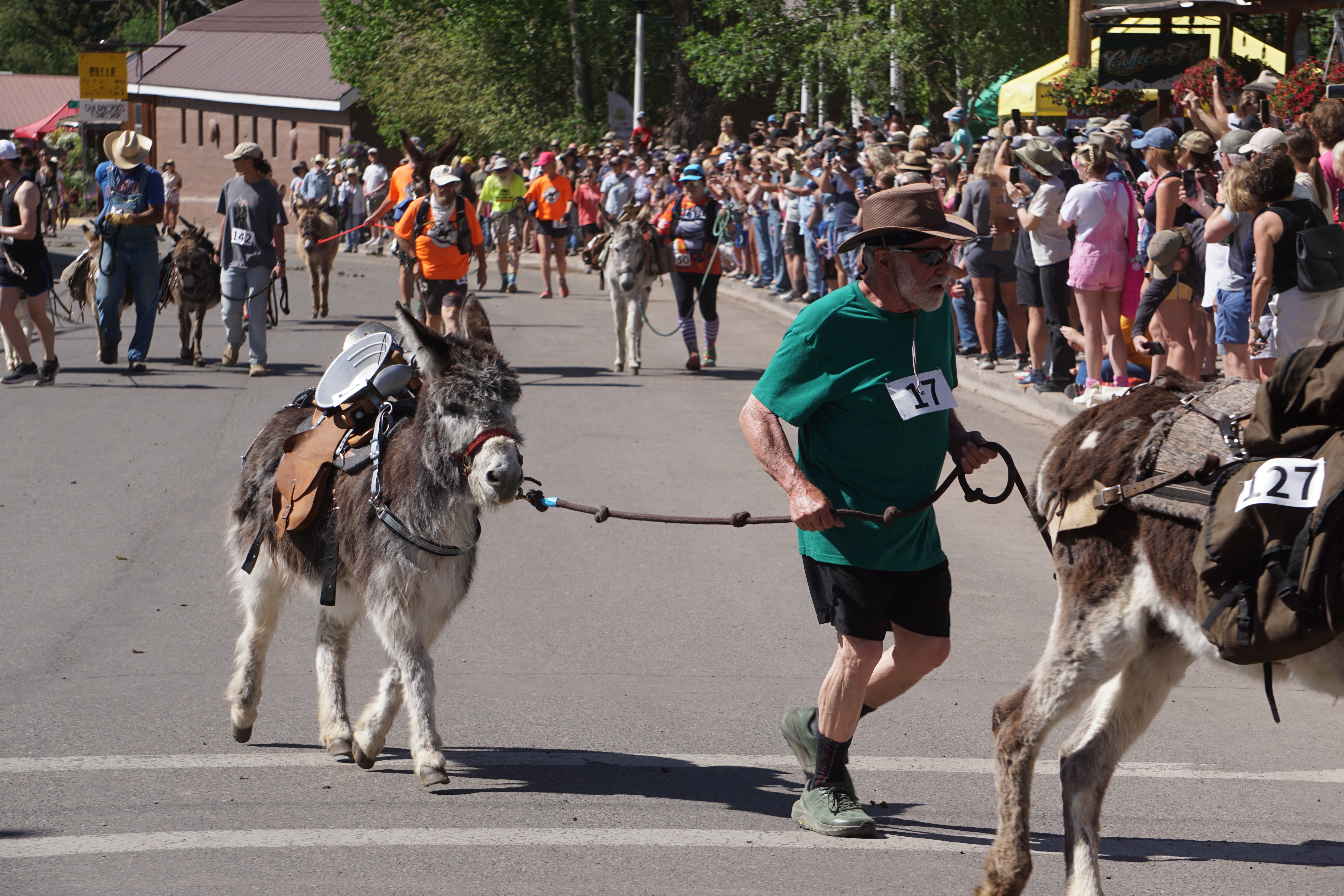
When I first moved to Creede, Colorado I saw an event advertised called the Donkey Dash. Being an Ohio boy, I had no idea what that meant but I went to check it out. Well, it became one of my favorite summer events here in Creede!
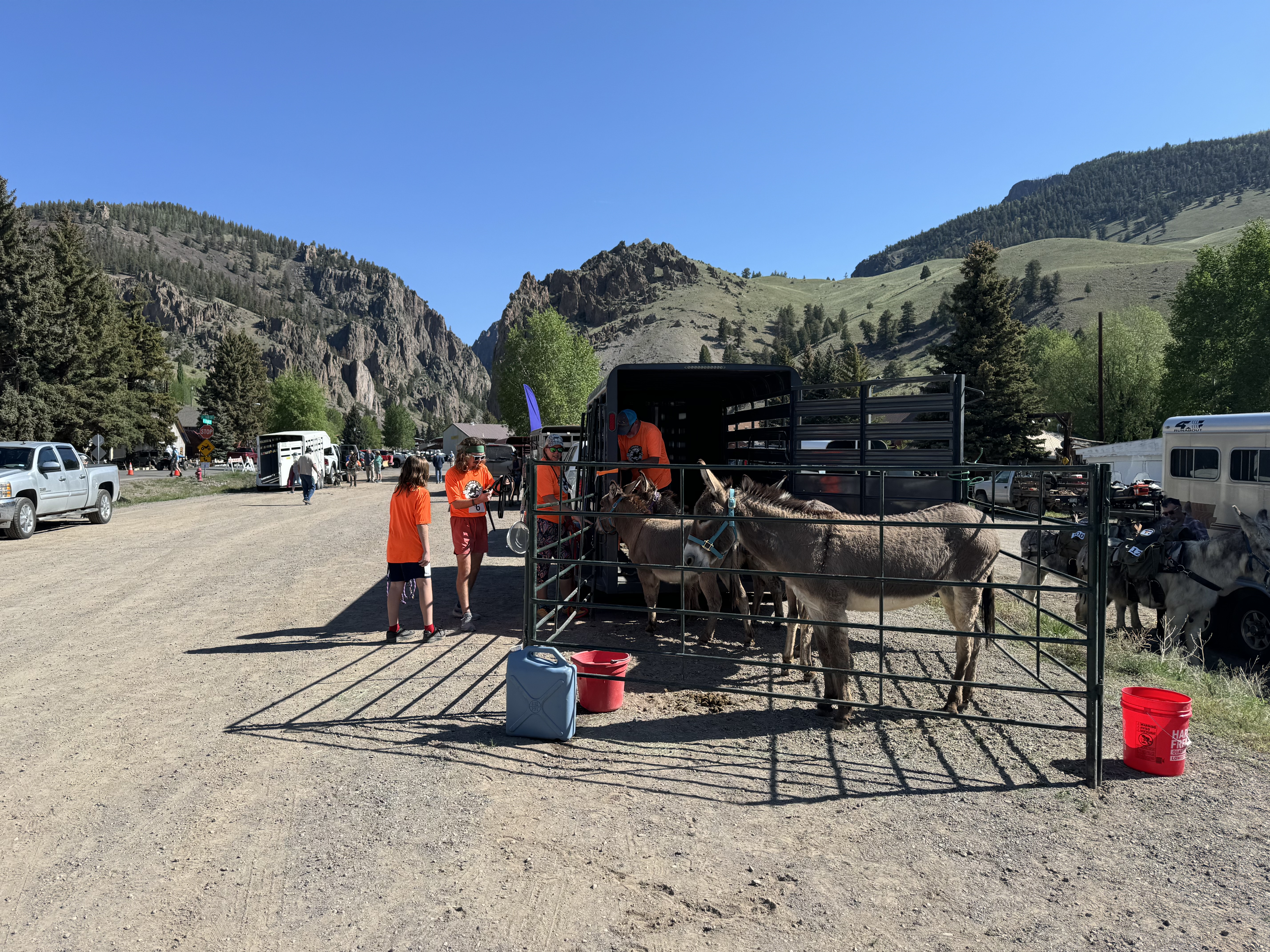
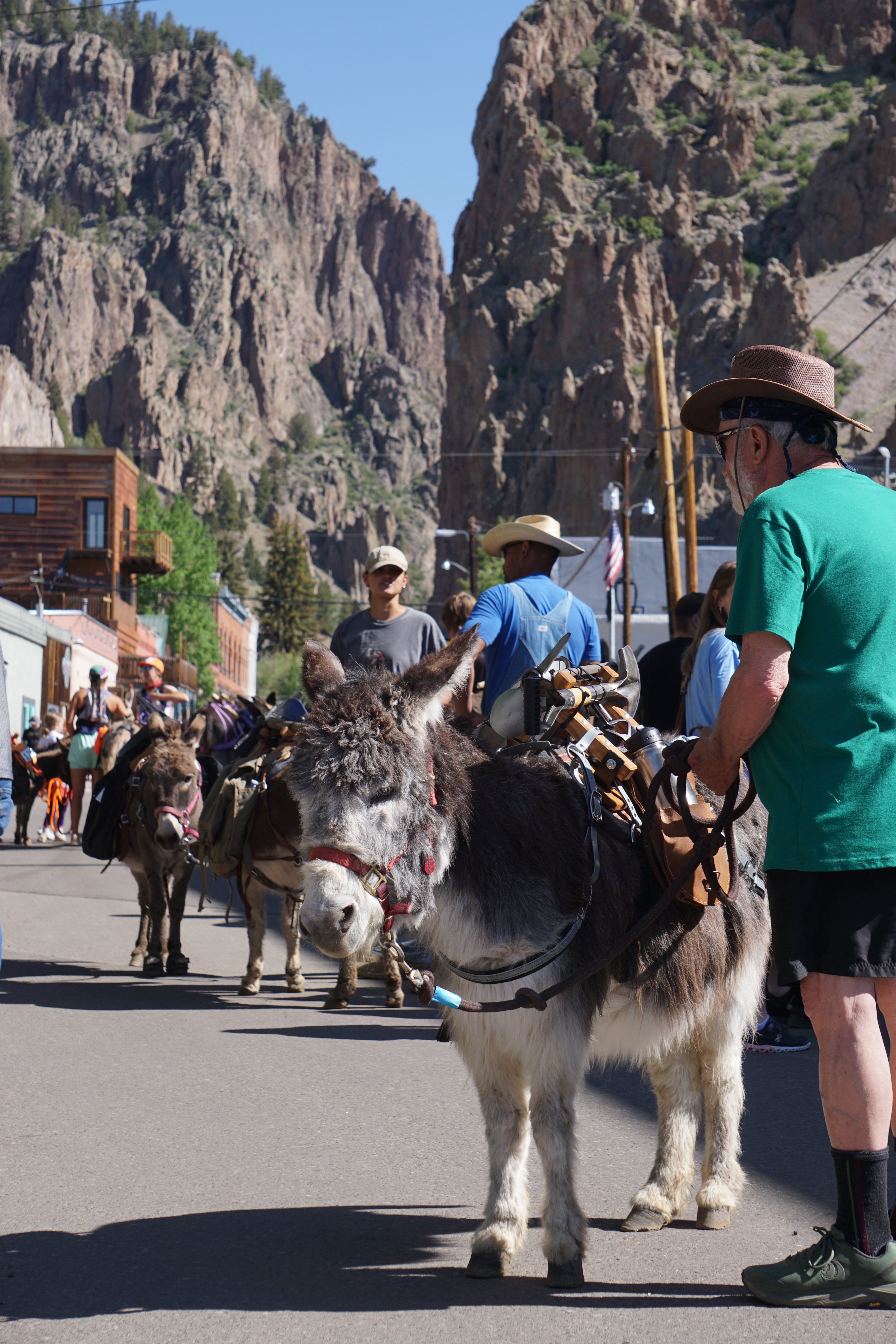
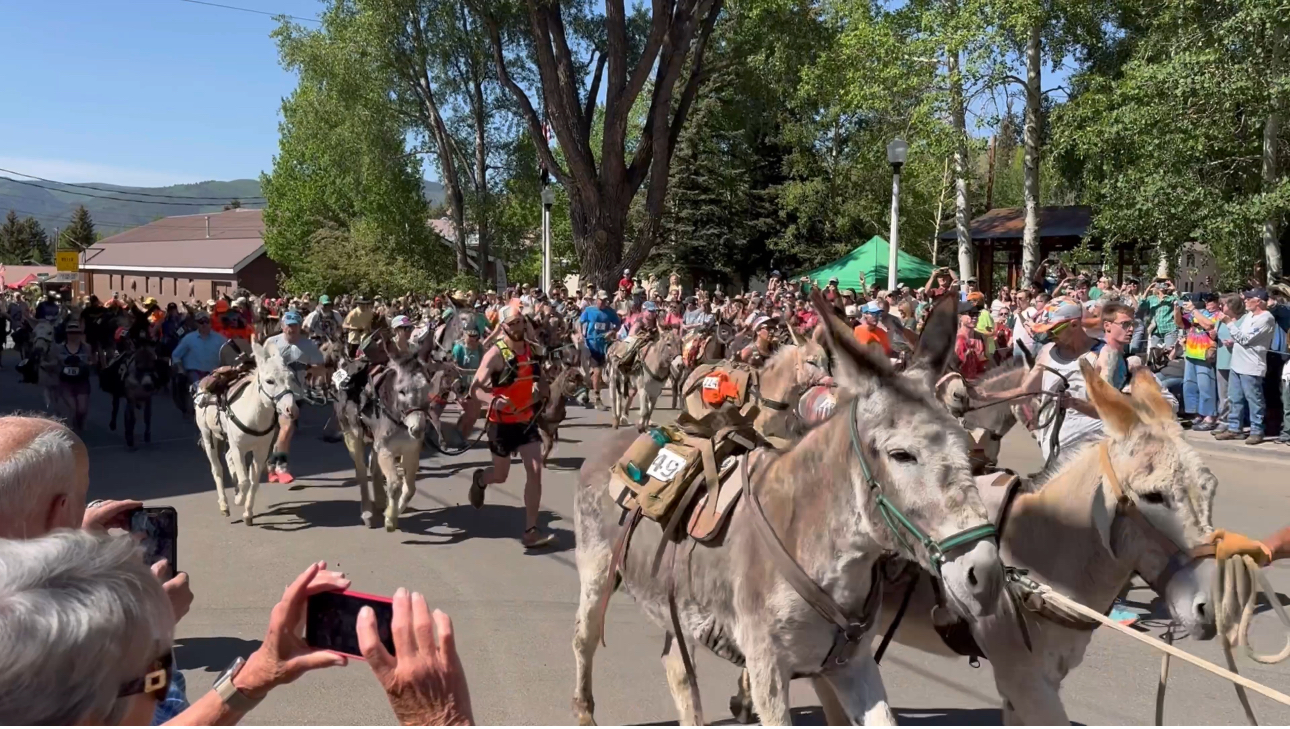
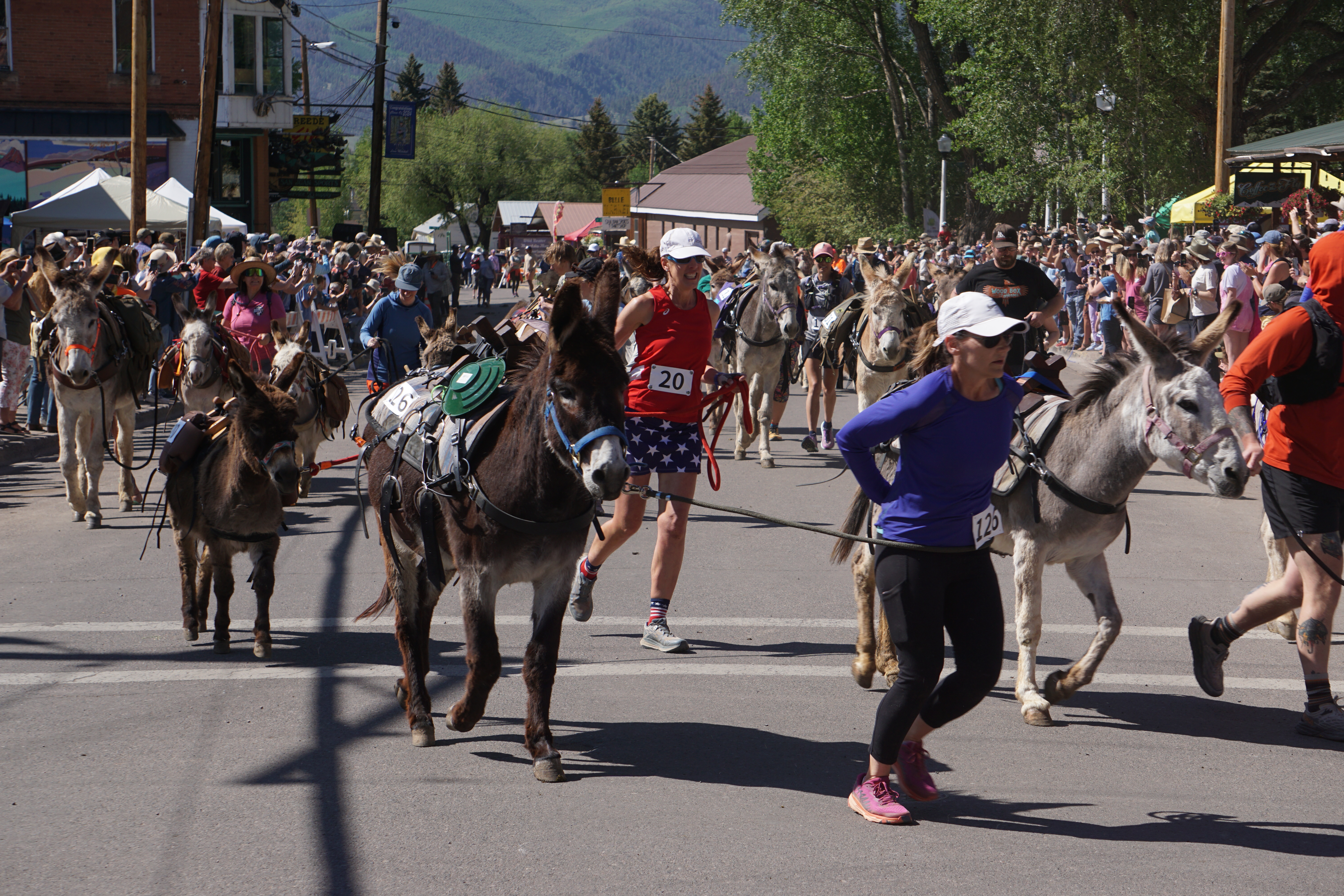
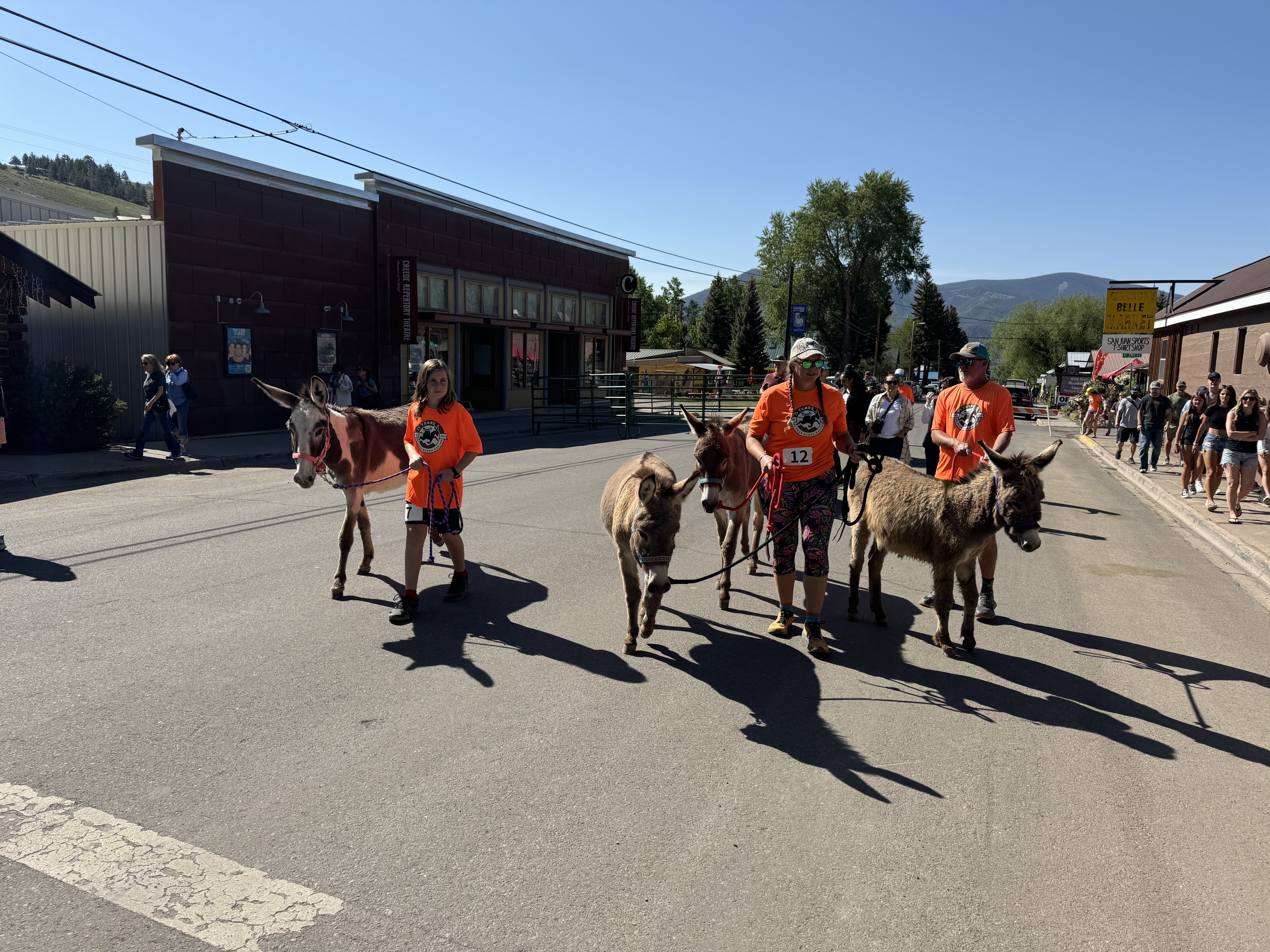
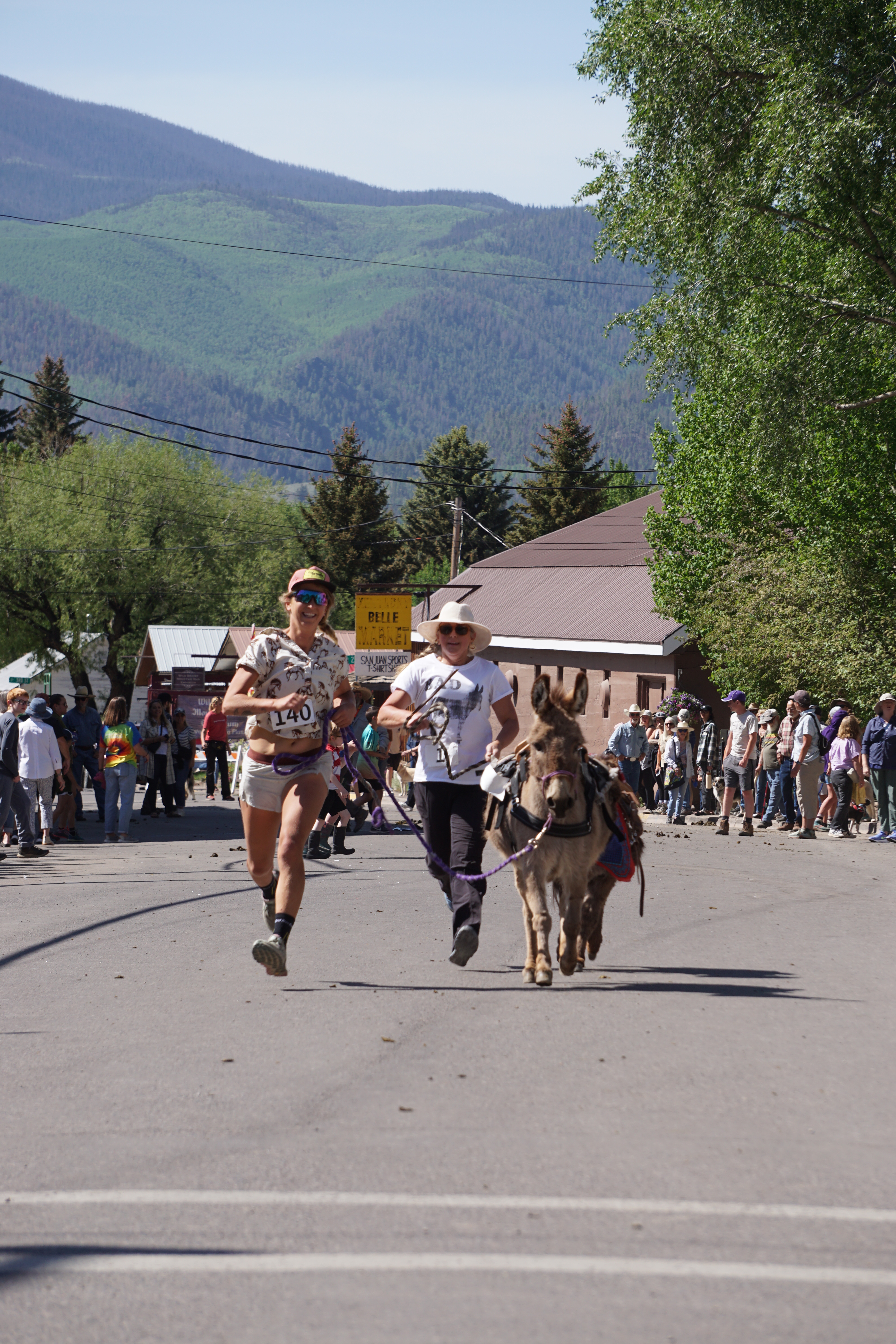
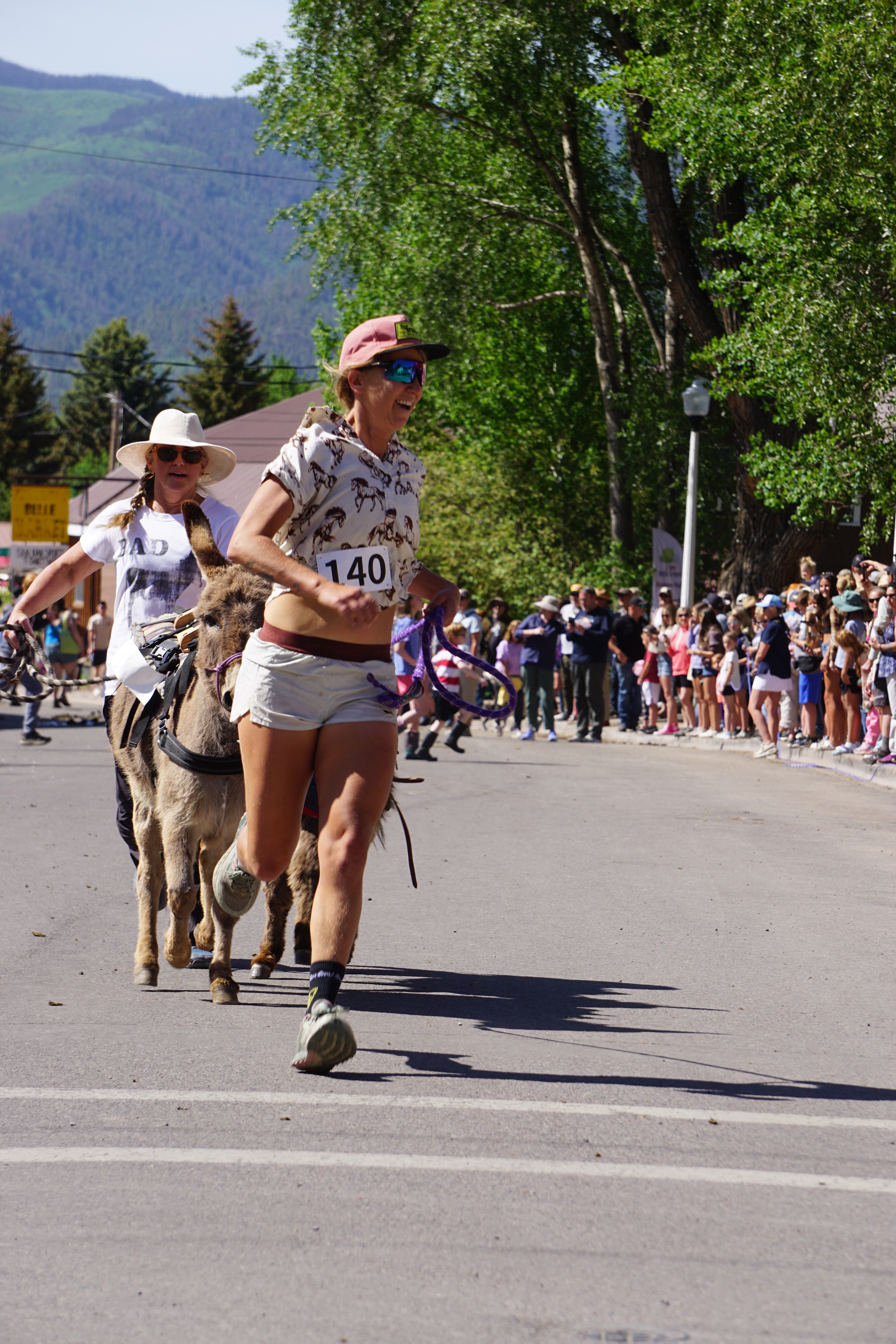
Participants line up on the historic main street of Creede, CO with a burro in tow, and run an approximately 9 mile course or a 3 mile short course, up through the historic Creede Mining District and back. A short mini donkey race is also held in town for all ages. This year the route was a bit different because of a boulder blocking the road, but the same rules applied.
The starting gun fires and the whole pack, this year over 70 entrants, takes off. Occasionally the ornery burros need some encouragement, but it is definitely a sight!
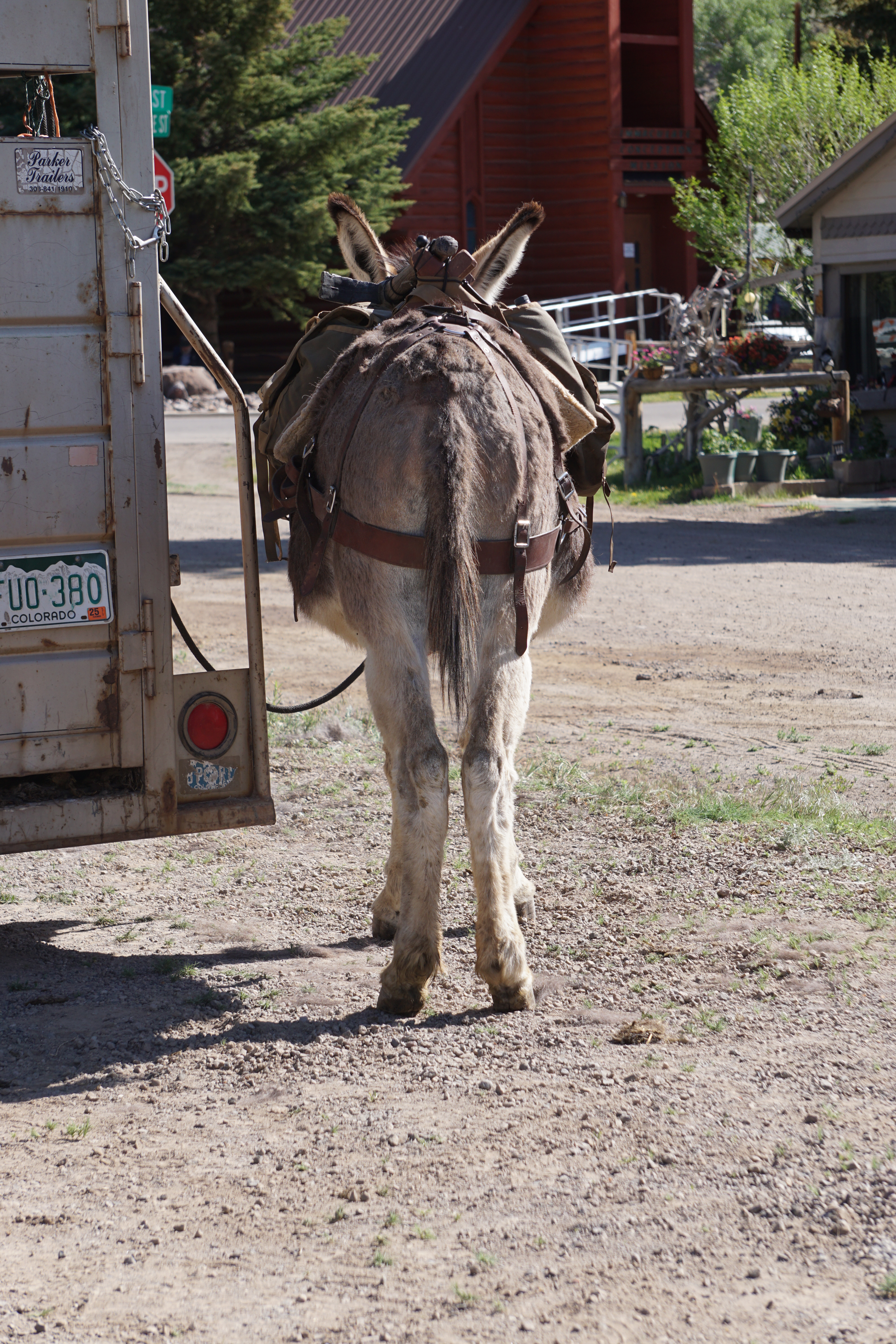
A little on the the history of burro racing – Burro racing is a great sport begun by some of Colorado’s 19th-century miners. Those hardy characters used burros to carry mining tools and supplies through the Rocky Mountains as they prospected for gold, silver, and other valuable ores. Since the burros were carrying a full load, the miners had to walk, leading the animal with a rope. Legend has it that two miners found gold in the same location, and raced each other back to town to be the first to stake a claim to the find. Neither could ride their animal because of its load, so one of the basic rules of burro racing was established.
Make sure to check this out next June if you are in Creede!
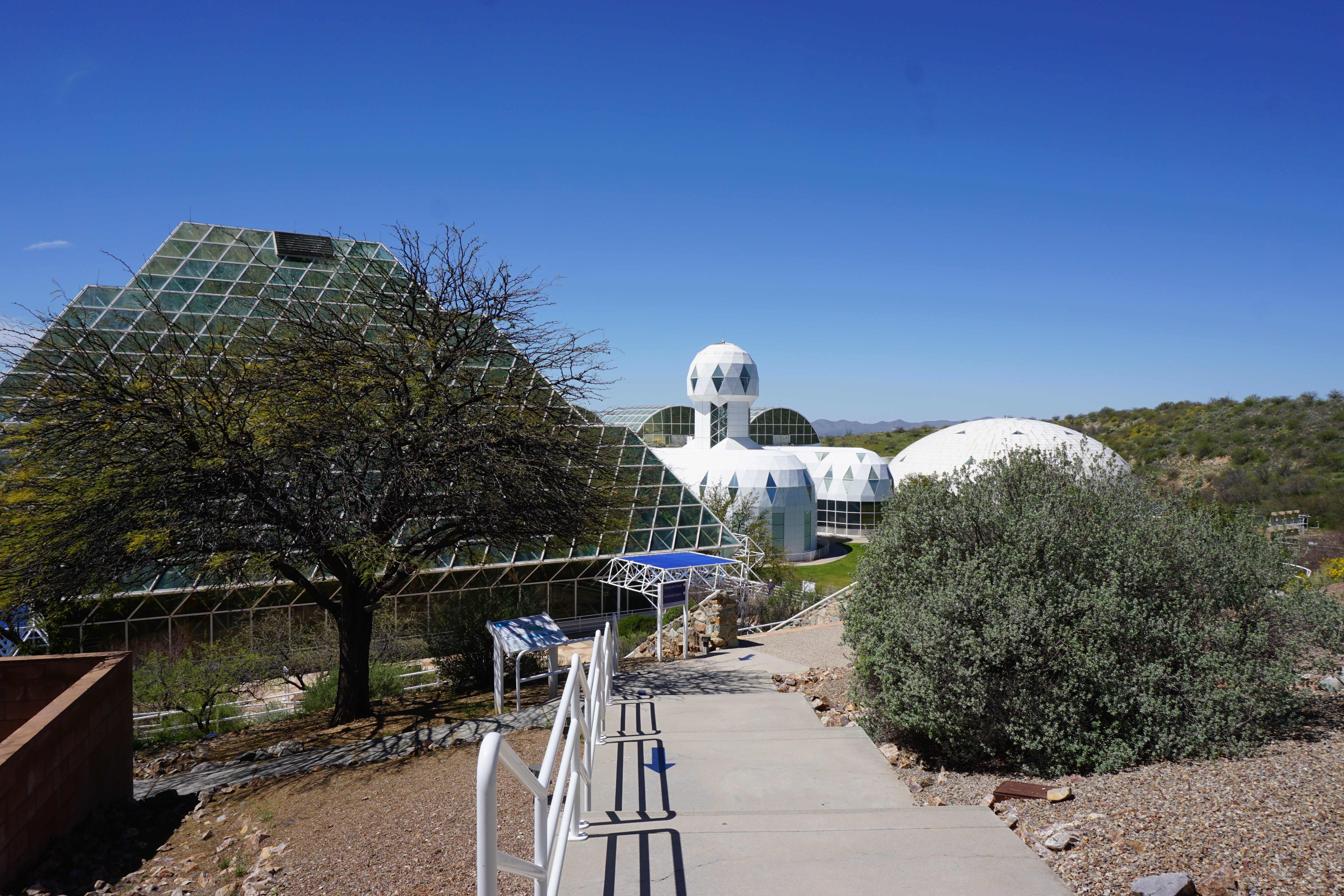
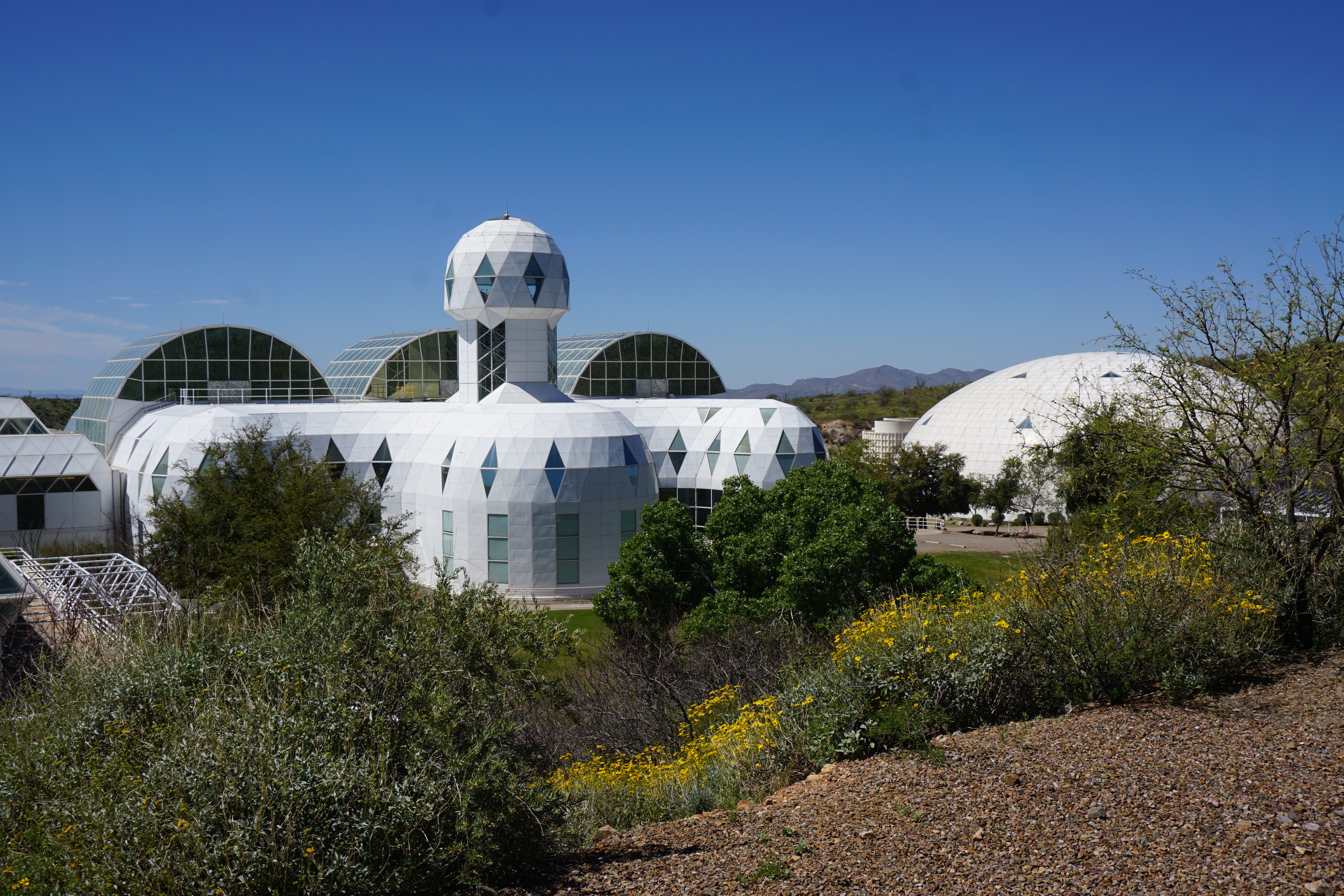
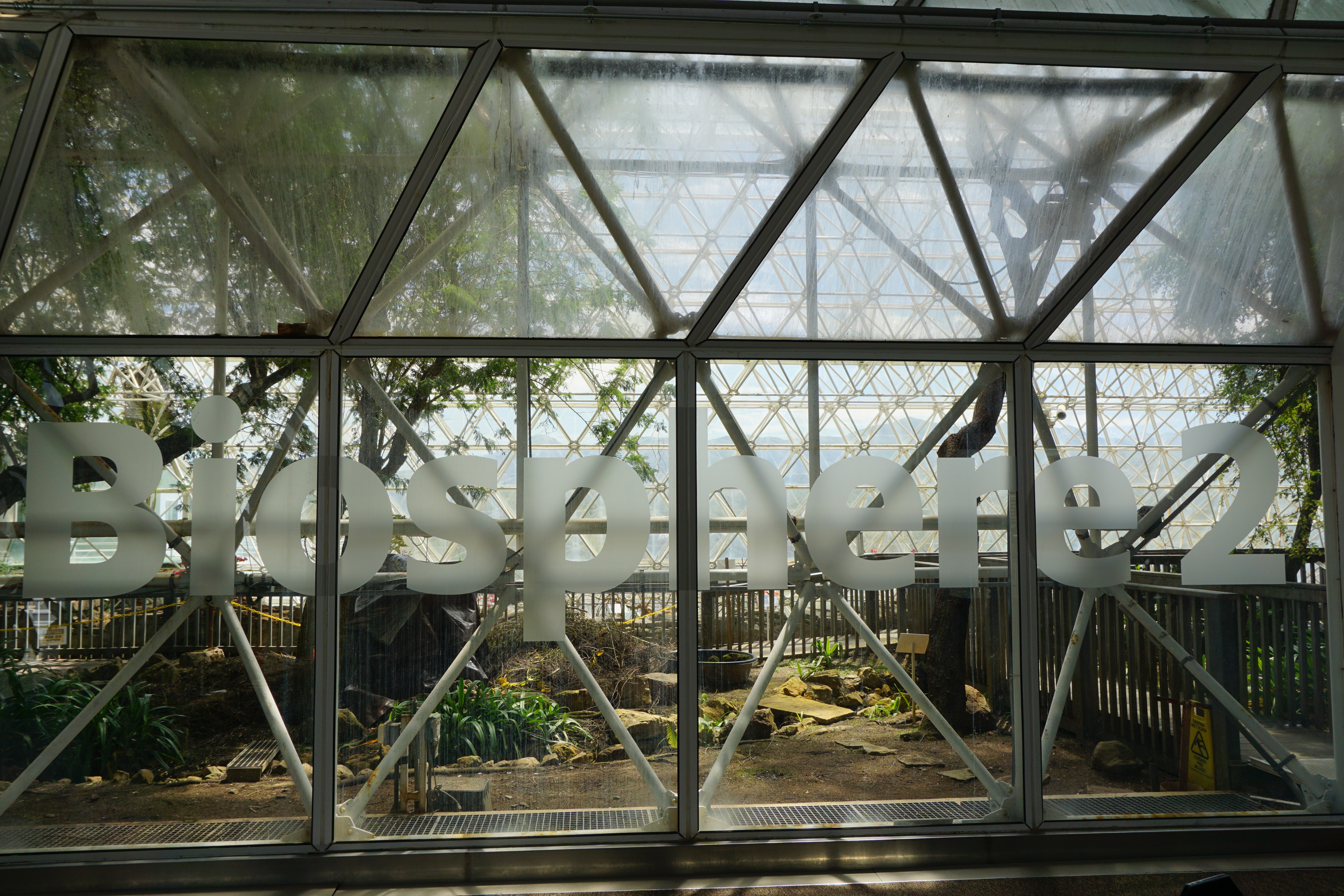
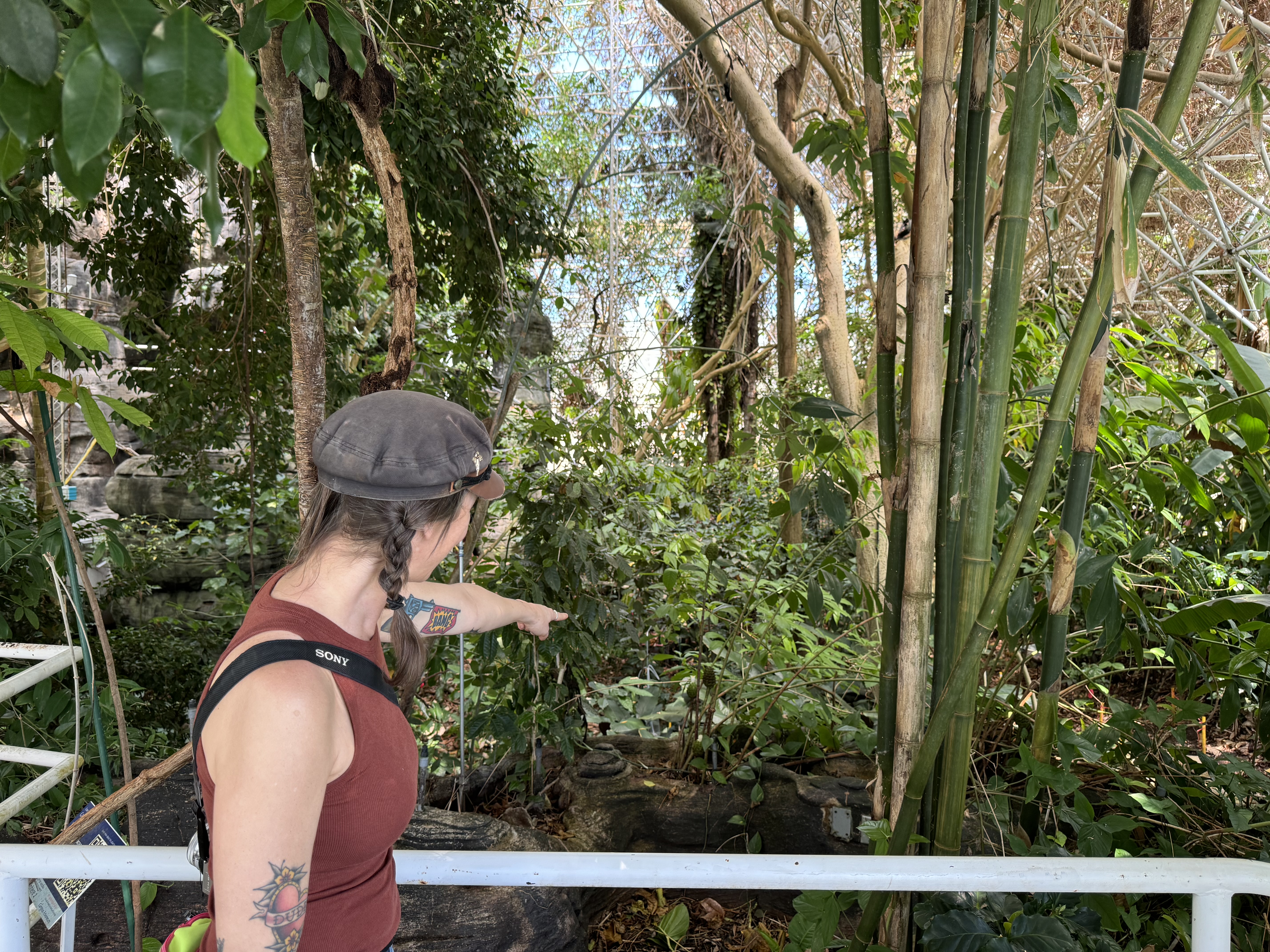
Our little Tucson trip allowed me to finally check something off of my childhood dream list. Biosphere 2 is a place I’d wanted to visit since I was in sixth grade. I got a book on Biosphere 2 about the project, creation of the building, and all of the wildlife and plants harvested from around the world to create this experiment which stuck in my mind for years. The idea was a group of “bionauts” would be sealed in for two years trying to create a self-sustaining biosphere modeled on the planet earth…biosphere one. It also brought to mind all types of sci-fi dreams featuring dome enclosed worlds, such as Logan‘s Run, Silent Running, and William Gibson books (Yes, I was a bit of a nerd).
The story of the original experiment gets pretty interesting with tons of publicity and media coverage, failures, coverups, and drama. There’s a pretty interesting documentary out there called Spaceship Earth which takes it even further into the cult-like origins of the team who put this project together, and honestly it’s like something out of reality TV. Two missions were run by the original team, eventually the Biosphere 2 went into private hands, and in 2011 the University of Arizona assumed ownership.
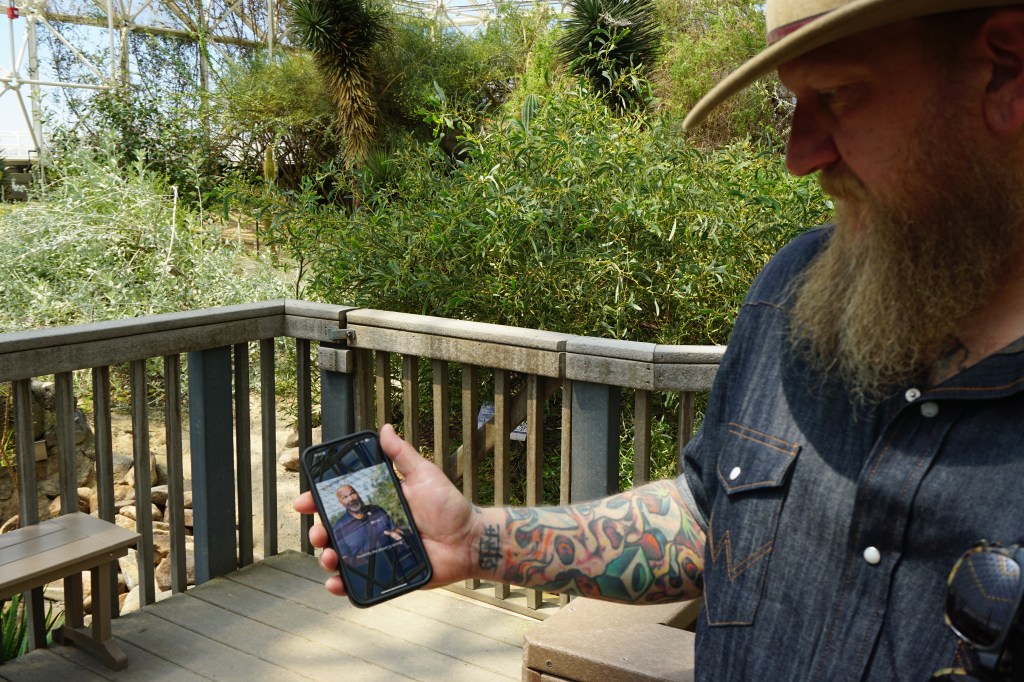
Located in the desert of Oracle, Arizona outside of Tucson you follow a winding road, capturing just glimpses of the space frame facility in the distance. You are greeted by a welcome sign in front of a visitor center where you can download an app on your phone for a self guided walking tour (Additional guided tours and experiences are also offered). It’s actually a great set up which allows you to move at your own pace, the app guides you through to well marked stops, and video clips on the app give you more information and archival footage. The tour itself is around an hour, a walking path leading you outside around the building, and through the biosphere.
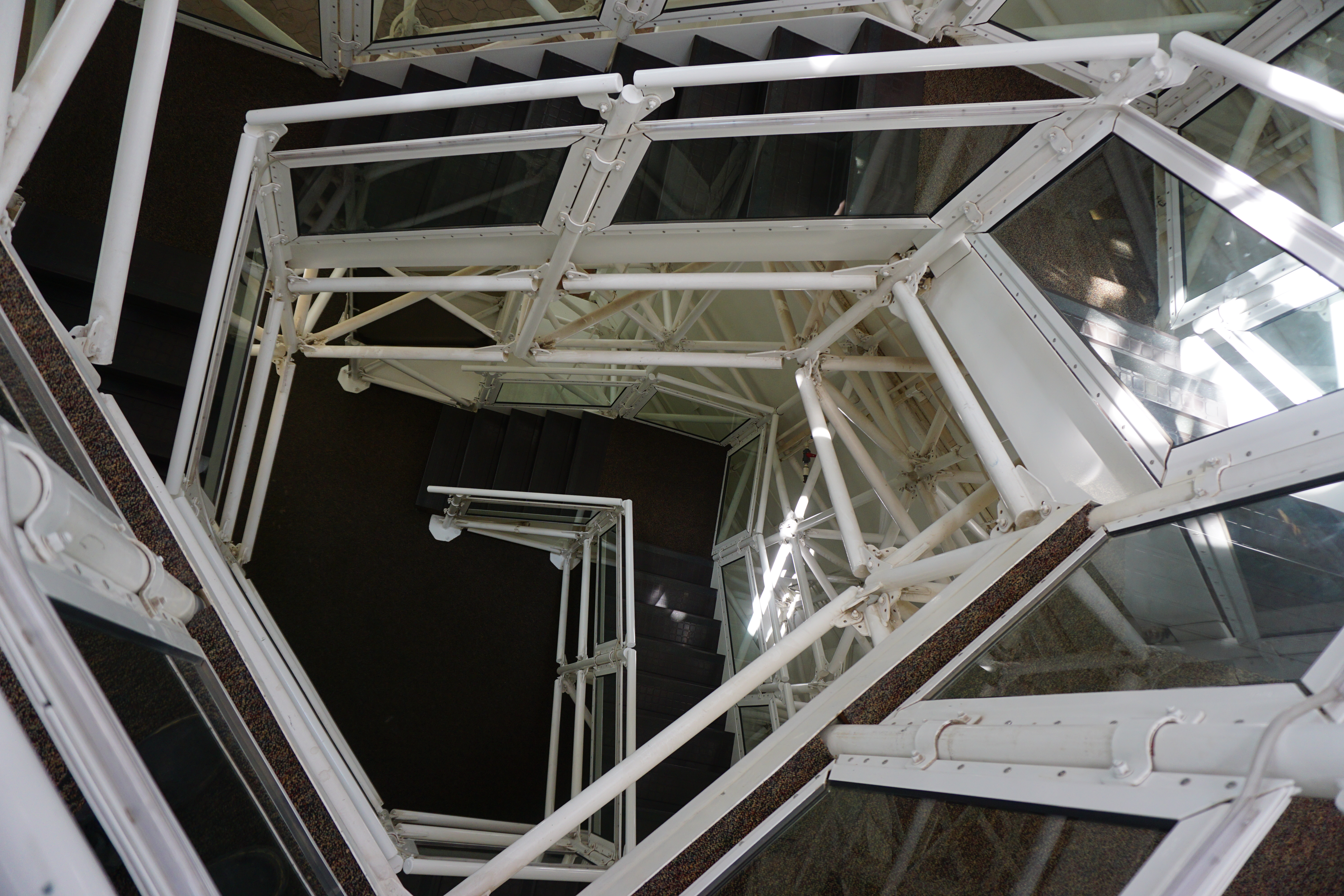
It’s fascinating to sit down in the kitchen where the people who lived there ate every meal while sitting in the same chairs as shown in the footage you are watching. Wandering through the purple carpeted hallways and looking at the 6500 panes of glass and untold amount of erector set like beams used to create this unique structure. you really get an idea of the undertaking thie original project was. Many of the building’s functions have changed and additional experiments were done over the years utilizing this facility and its unique structure for environmental science projects such as soil erosion, a study on the effects of carbon dioxide on plants, advanced growing techniques and more.
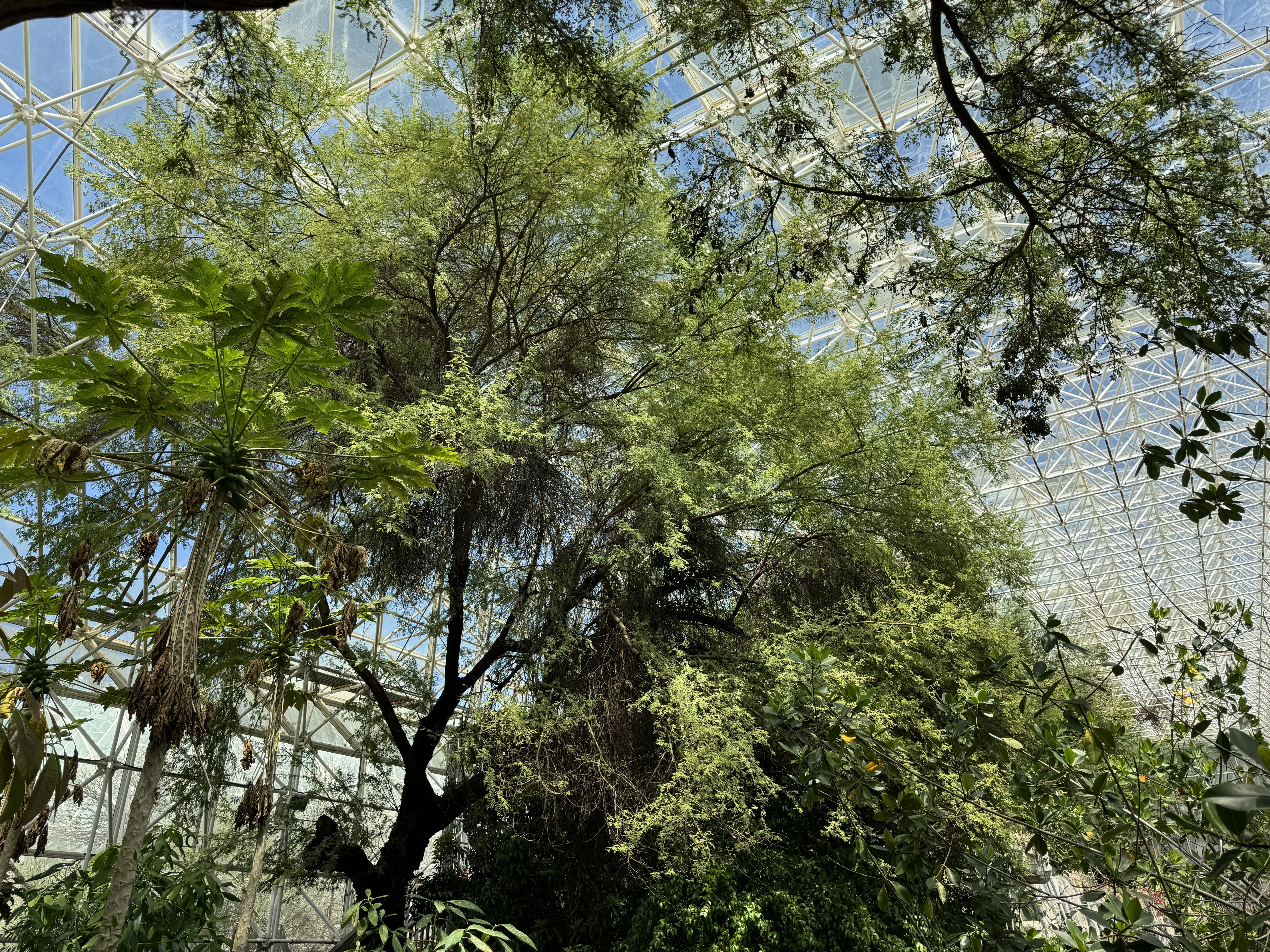
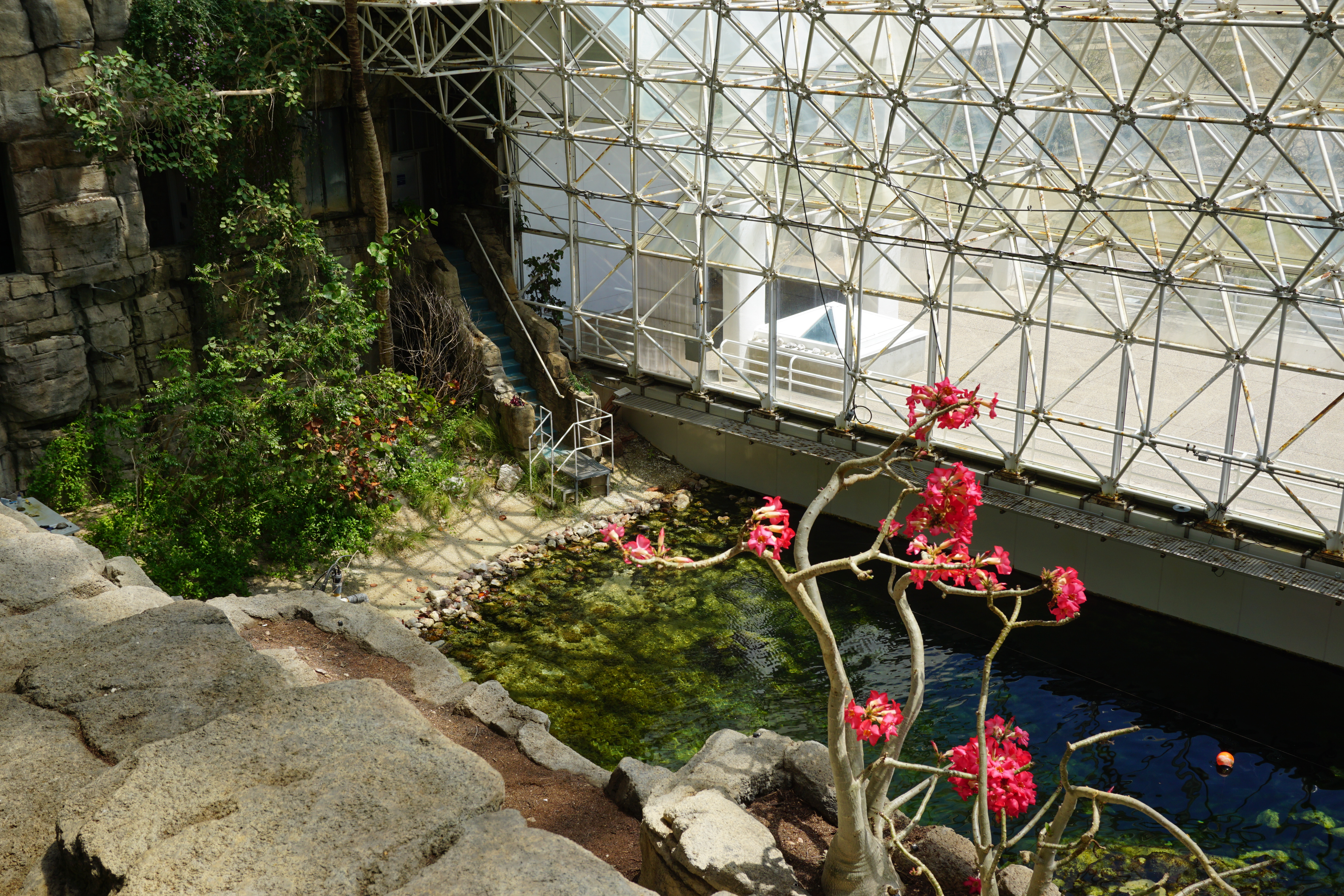
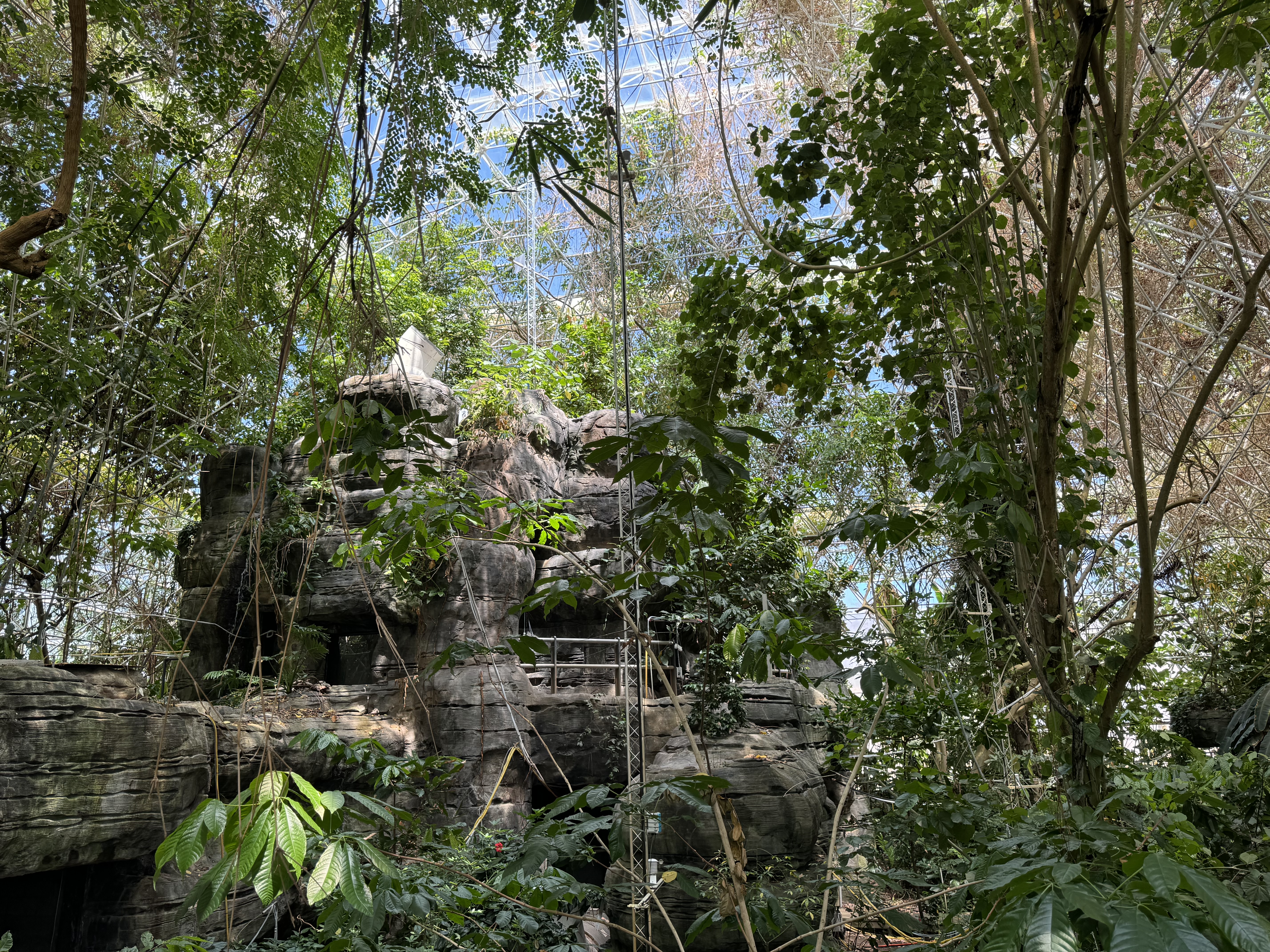
Walking through the different biomes you see mangrove wetlands, savanna grassland, fog desert, and an ocean with a coral reef, and the most impressive pyramid-like section of the building… the tropical rainforest. This was originally built to replicate conditions of actual rainforests, and plants from around the world we brought in. After decades of growth the rainforest is actually quite amazing with upper, lower, and middle canopies reaching to the top of the 80 foot structure.
Advertisements
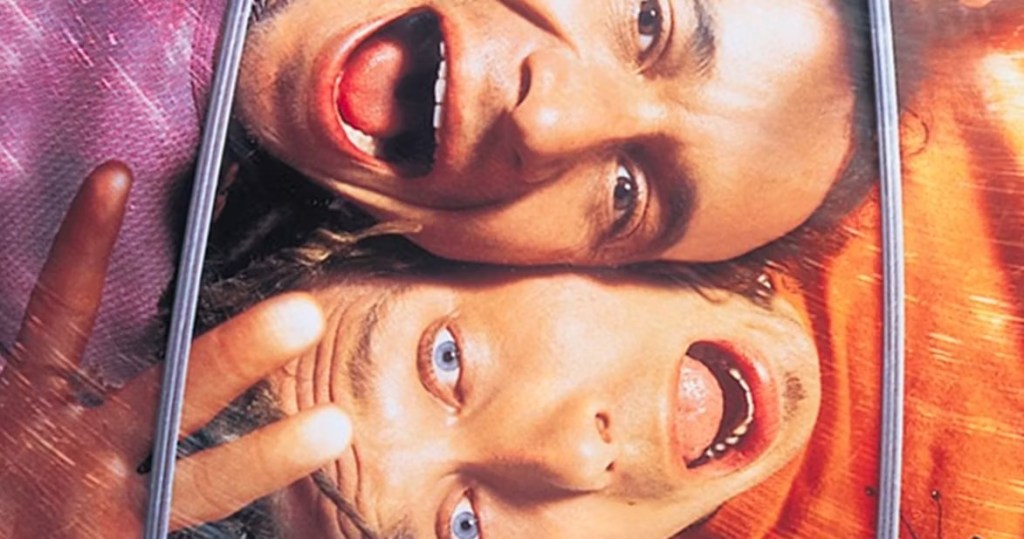
The experiment may not have been a total success, but seeing the scale of this dream in person is impressive. I’m happy to have finally been able to see this in person, it may have also brought back some memories of a certain Pauly Shore movie…. although I can’t say that has aged as well!
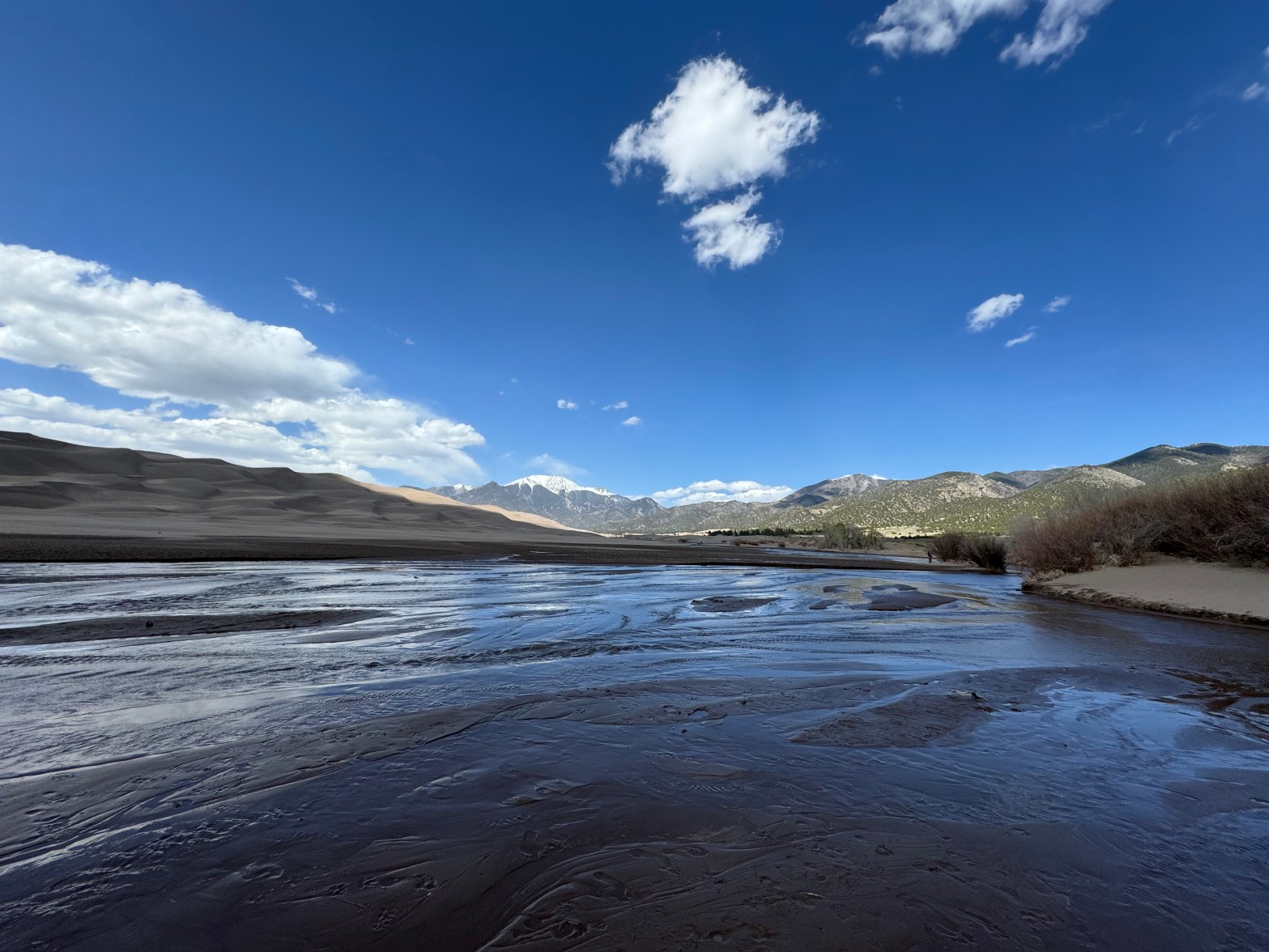
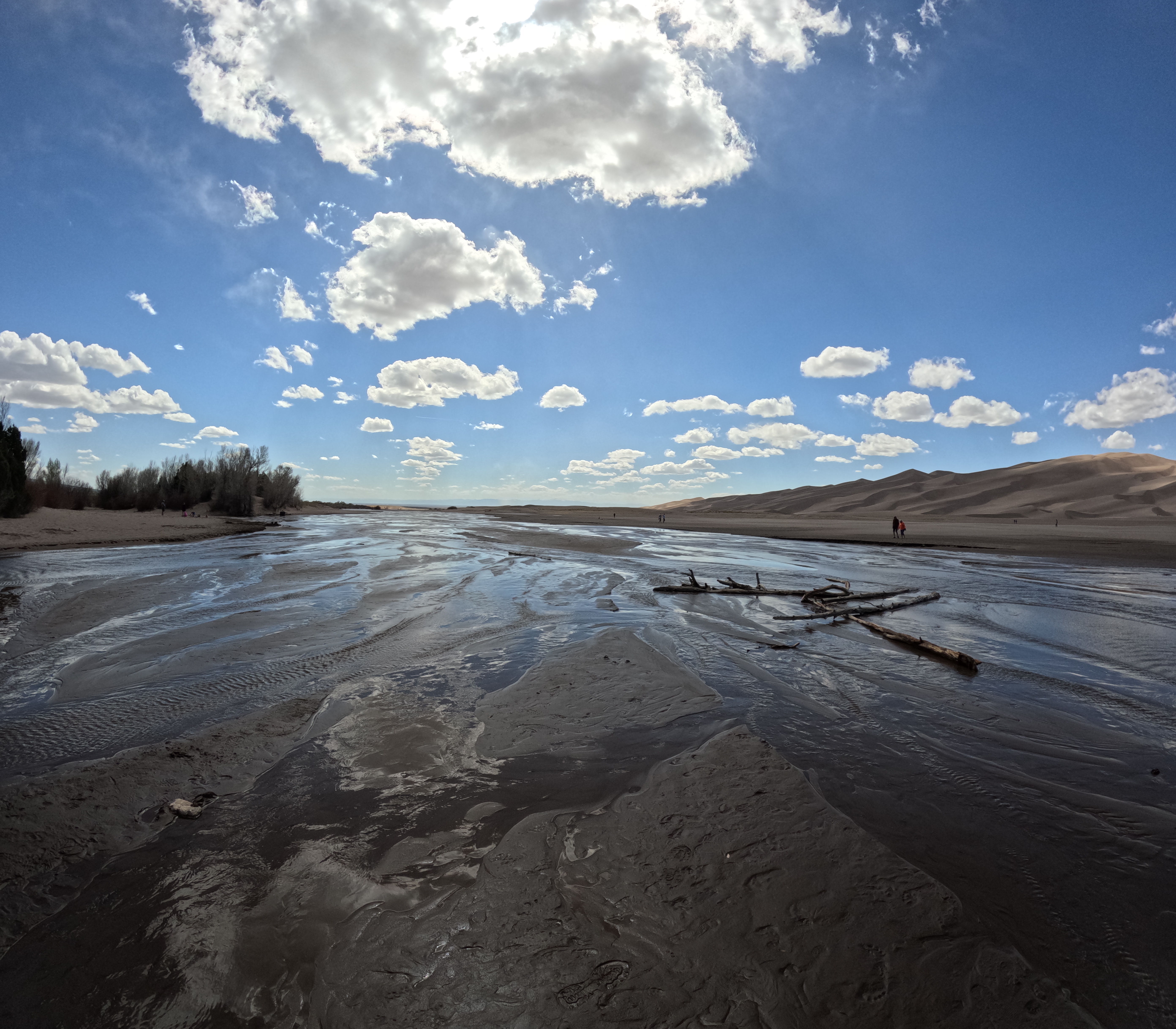
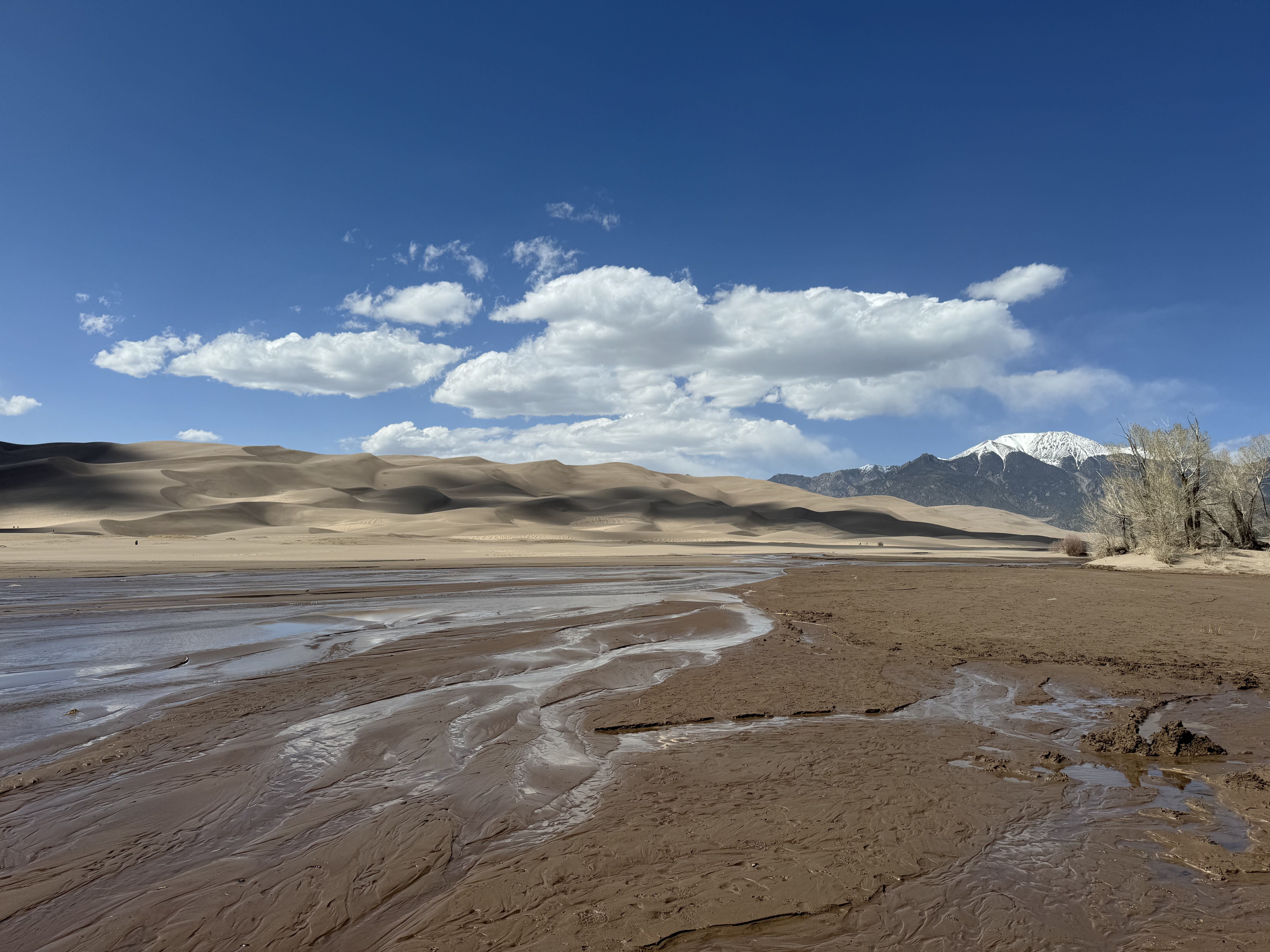
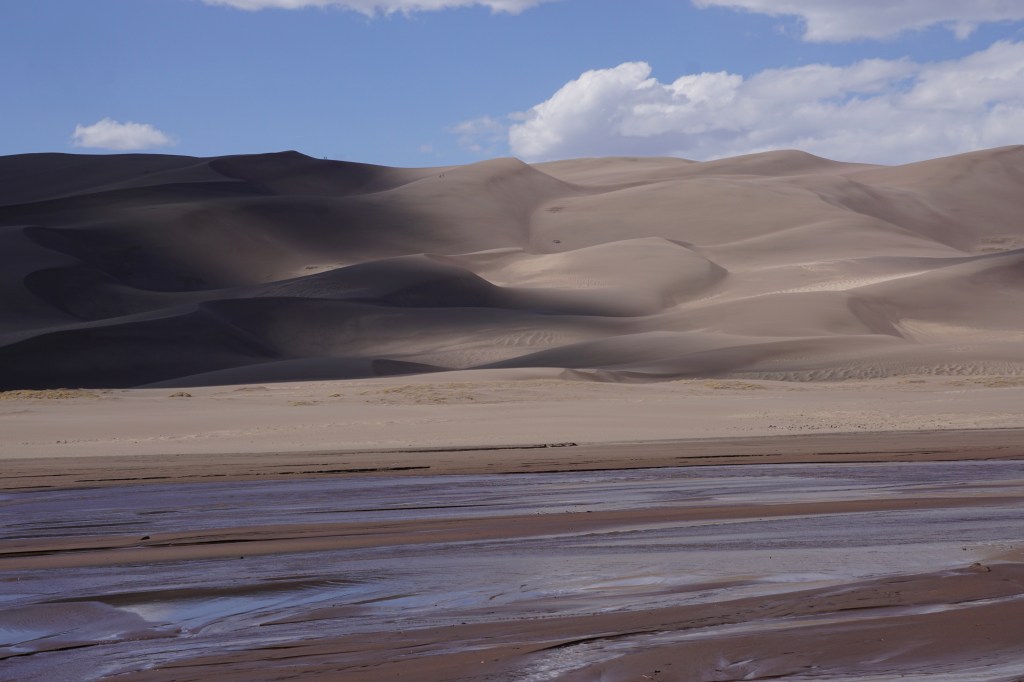
We’ve been to Great Sand Dunes National Park a few times, but never during the spring and the seasonal river. Featuring a diverse landscape of grasslands, wetlands, forests, alpine lakes, and tundra there is a lot to see, but a couple months a year Medano Creek runs at the base of North America’s highest sand dunes due to the snow melt from the surrounding mountains. We heard water had arrived and decided to jump on the motorcycles and go take a look!
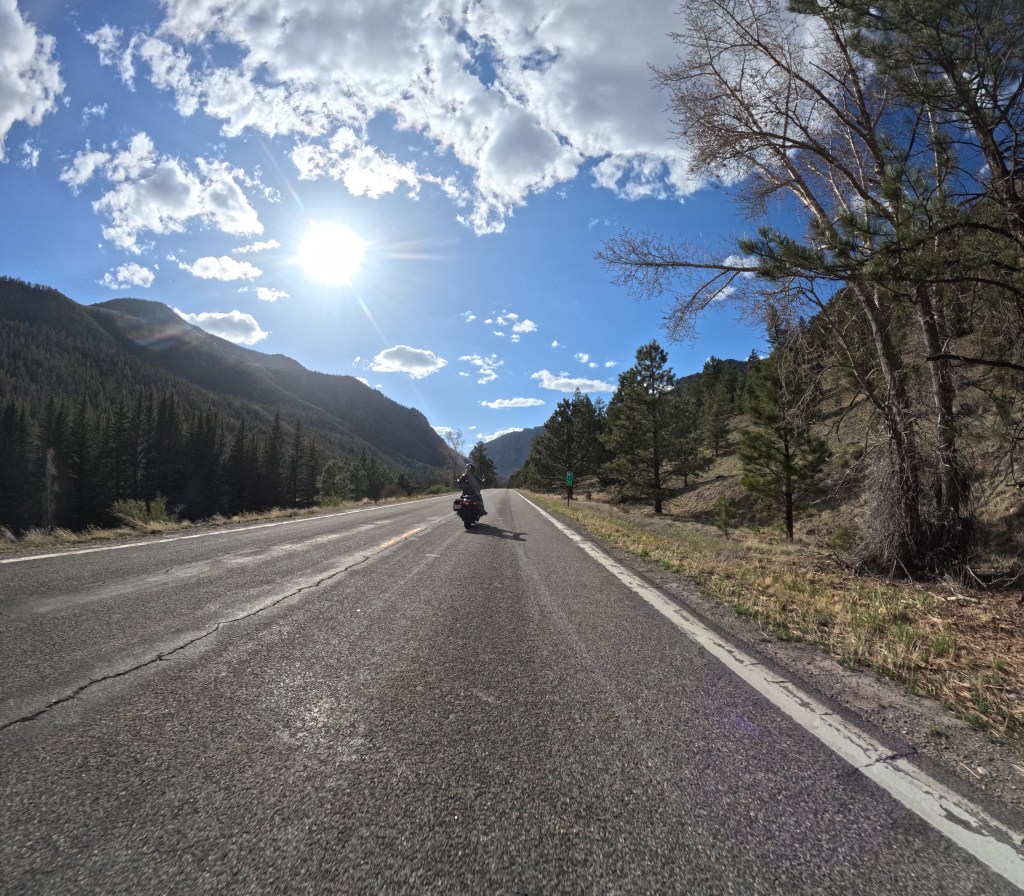
Heading out from Creede, CO down the Silver Thread Byway
It was a windy cool day, but we were thrilled to be able to jump on the motorcycles this early in May. It’s about a 2 Hour ride from Creede, Colorado through the San Luis valley to Mosca, Colorado, and we made a couple stops on the way.
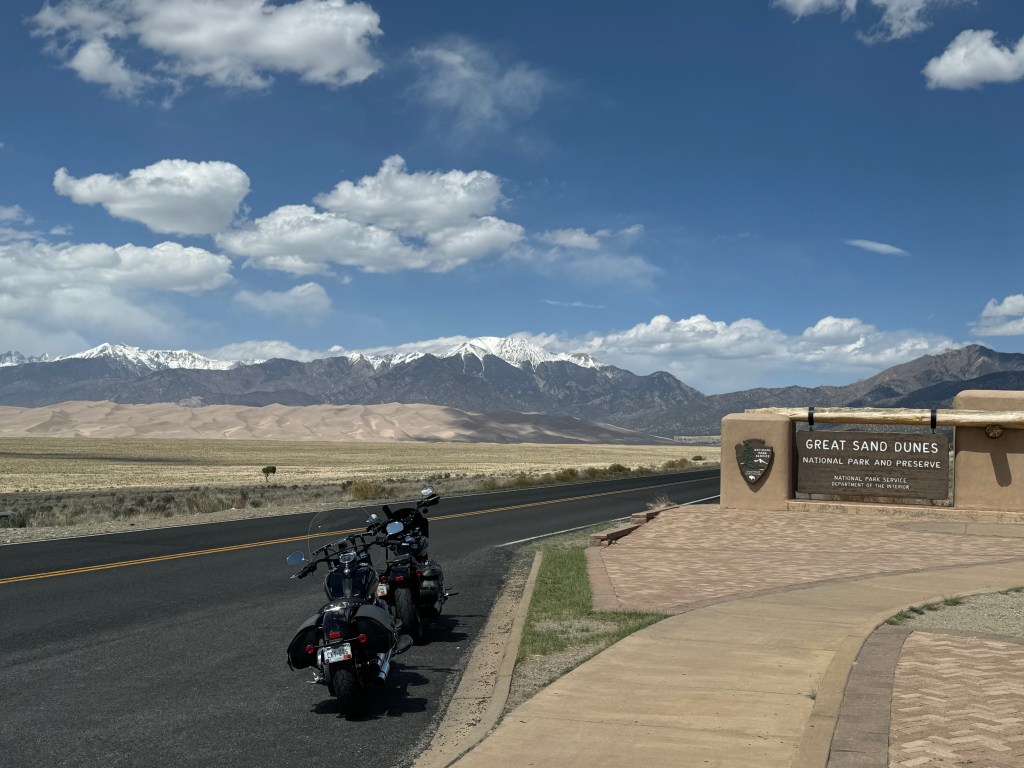
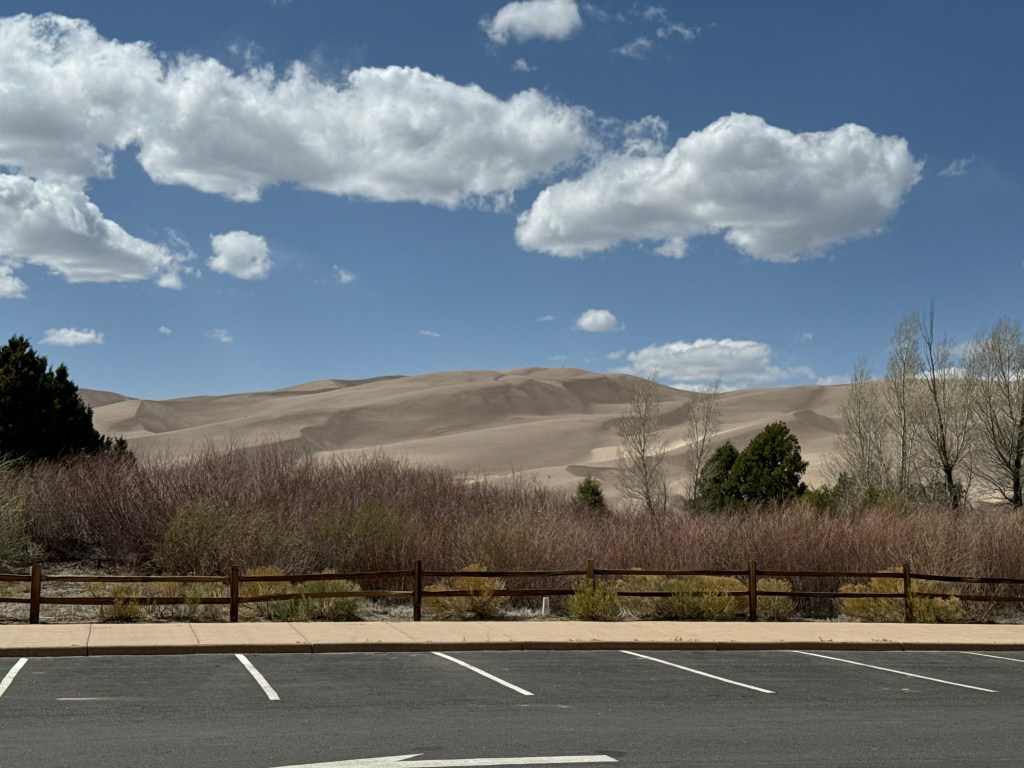
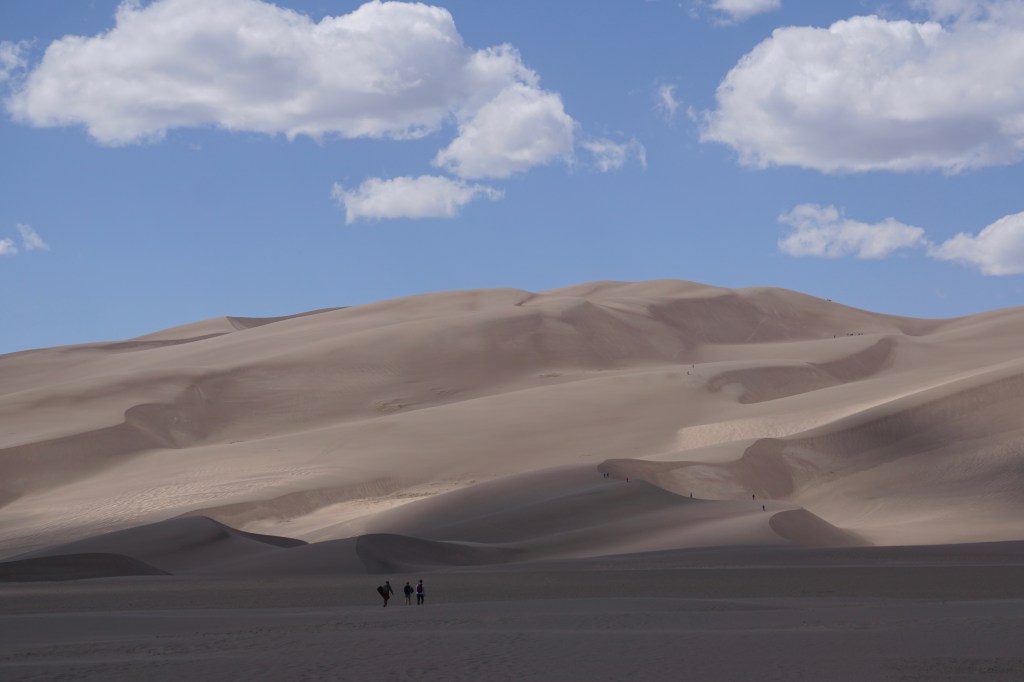
Pulling into the dunes is always a sight, from the park entrance sign you can get an idea of the enormity of these 700 plus foot tall sand dunes, which seem completely out of place in the high altitude San Luis Valley. The Sangre de Cristo mountains were still capped in snow, and you could just make out the water sparkling at the base of the dunes. We made our way to the parking lot and shed our gear, and as we were walking to the entrance to the dunes, you could see the water flowing!
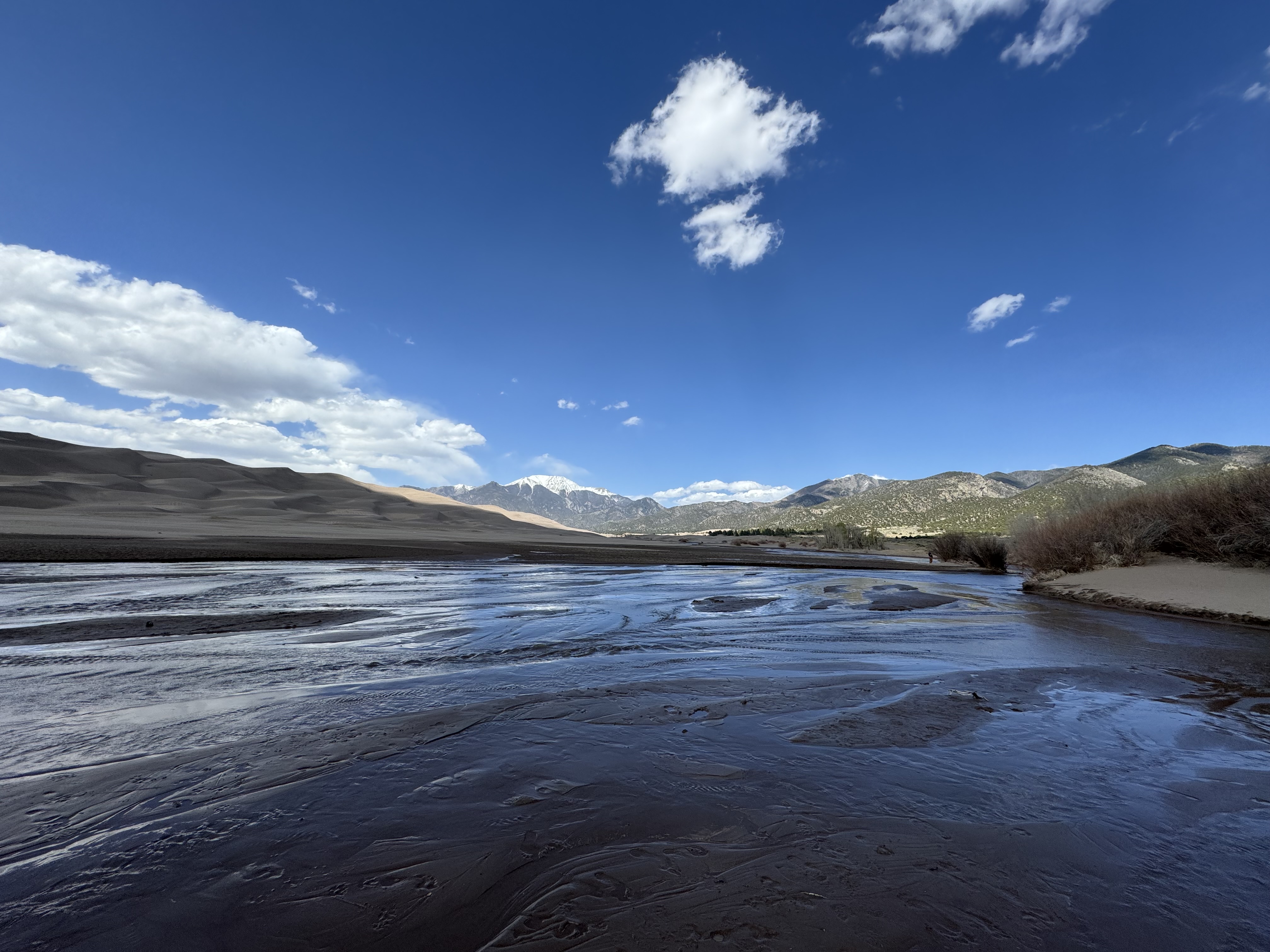
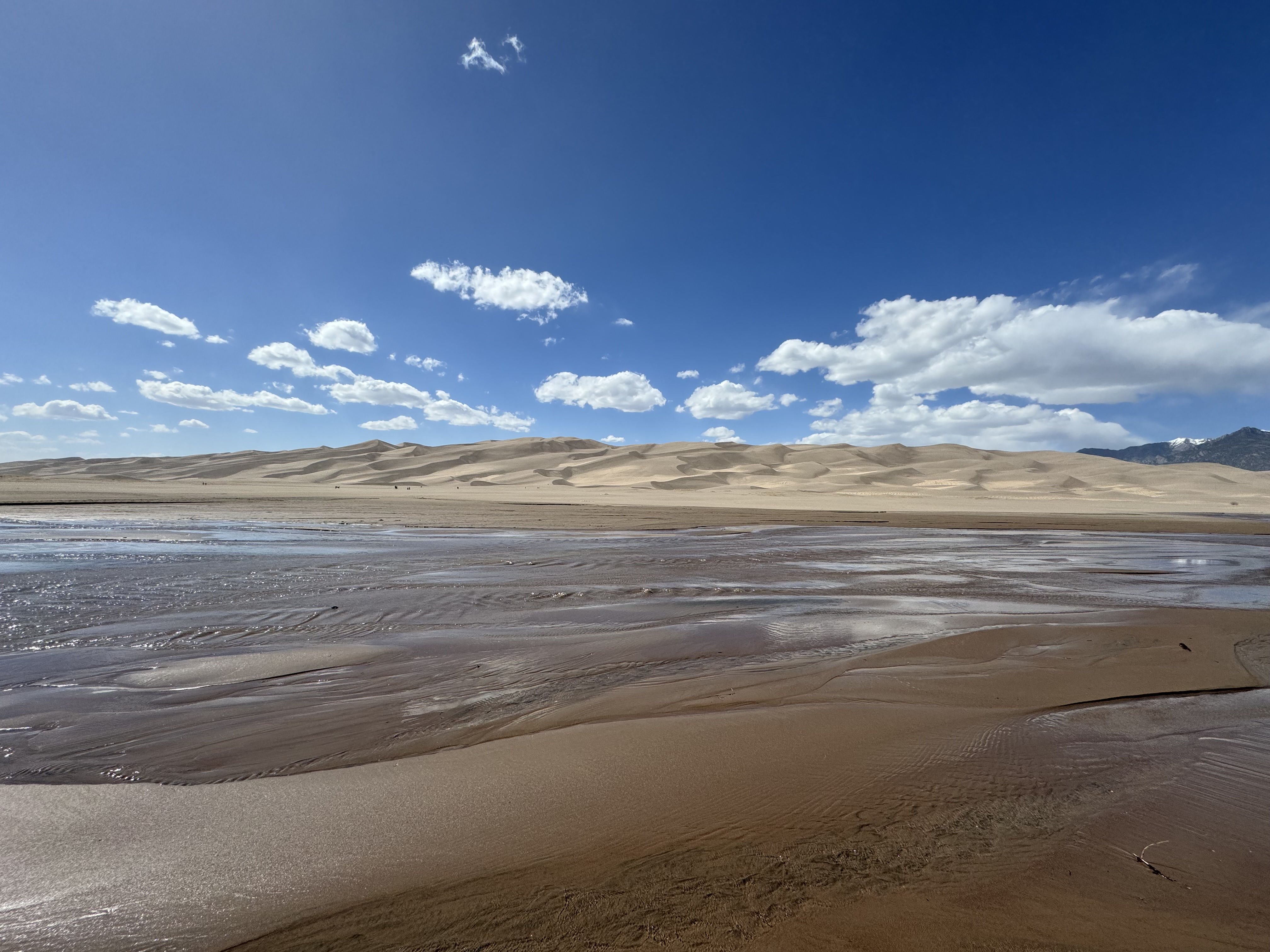
Medano Creek!
It’s not very deep yet, but wide. Small waves in the water from the surge flow and wind changed the path of the water constantly.
Even though it was not deep enough to tube or play in yet there were still plenty of people there to see the creek, as well as people hiking up the dunes carrying sand boards and sleds. We haven’t tried sand boarding yet, but it looks like a fun way to make your way down after scaling the dunes!
Heading out to sand board!
This is truly an amazing and special place any time of the year, and like most national parks there are campgrounds and picnic areas available as well as a visitor center with history on the formation of this natural feature. It’s worth visiting here anytime of the year, but if you’re local or in the area during the months of April, May, or June, definitely try and visit, it is an otherworldly experience!
After visiting with family and friends in southern California I wanted to spend a few nights camping in the Anza Borrego Desert before meeting Kyle in Tucson. I have been on camping trips I with my family in that area for over 20 years and there’s always something new to see.
First things first. Whenever I am passing by the Cabazon dinosaurs I have to stop, it’s tradition. I can’t tell you how many times I have stopped there. We used to stop at the Wheel Inn for lunch on our way back from desert camping trips, but sadly the restaurant was closed in 2013 and shortly after torn down. This was the restaurant the Large Marge dropped Peewee Herman off at in Peewee’s Big Adventure. The sign remains but behind it is a pile of rubble. Even though the restaurant is gone I still stop because the last few years they have been painting the dinosaurs for the holidays, I’ve seen them painted like Fred Flintstone and Dino, Santa Claus and Rudolph, this trip they were still painted for Valentines day.
I spent the first night at Tamarisk Grove Campground. I snagged the last spot there after I was turned away from the Borrego Palm Canyon campground whose 120 spaces were sold out. I set up camp and ate dinner out of the back of my car. The campground was quiet and I got a good nights sleep. The next morning I went to a part of Galleta Meadows that I’d never been to and then hiked around Slot Canyon. I was a few weeks late for the first desert blooms but there was still a lot of color to be seen.
The second night I drove out to some BLM land I was familiar with near the Salton Sea and set up my camp and a fire and spent the night completely alone watching the sliver of a moon set in the desert.
On day three in the desert I made the trek around the Salton Sea to Bombay Beach. This is another area that has something new every time I go through. In the 50’s this was a popular beach destination just outside of Palm Springs. That heyday is long gone but in 2016 the remaining community started inviting artists, writers, and filmmakers to create works and “stage happenings” and the town and beach area are now full of larger than life art installations.
I treated myself to a wild west themed RV resort for my last night in CA and rented a vintage trailer at the Palm Canyon RV Resort in Borrego Springs. The hotel rooms have have an old western town facade, there’s a saloon and restaurant on site as well as all the amenities a weary traveler could ask for.
My solo trip was now complete and I hit the road to meet Kyle in Tucson and here’s where the fifth element came in to play. Somewhere off the I-10 coming in to Arizona I saw a sign for the Rooster Cogburn Ostrich Ranch. Okay, I could use a little break, I’ll go stretch my legs and see what this is all about. The facility was super clean and well maintained and the animals seemed happy to interact with visitors. With the price of admission you get food for all the different critters, mini donkeys, deer, goats, ostriches, more goats, chickens, bunnies, birds and turtles. My favorite was in the lorikeet habitat where you hold a cup of nectar and the birds fly to you and stand on your arm to get a drink out of the cup. The last stop on the self guided tour is at the stingray pool, I was a bit of a fraidy cat feeding these guys but I did it! Ten out of ten would reccomend!! I wouldn’t necessarily go out of my way to visit but if I’m passing through in the future it is well worth the 15 bucks for a little entertainment.
We designed and printed up some cool Creede T-shirts and stickers, something a bit different than anything we had seen around, and we think they are pretty fun! Please check out our store, and please share with anyone who may dig them!
Bighorn Butts Drive Me Nuts T-Shirt – FrontLiving The High Life T-Shirt – BackLiving The High Life T-Shirt – FrontCreede Colorado Mountain T-Shirt – BackCreede Colorado Mountain T-Shirt – FrontCreede Colorado Map T-Shirt – Front
We will also post updates when we will be attending local Creede events this summer!